Chocolate Research Facility: visual impact // Chocolate Research Facility: impacto visual

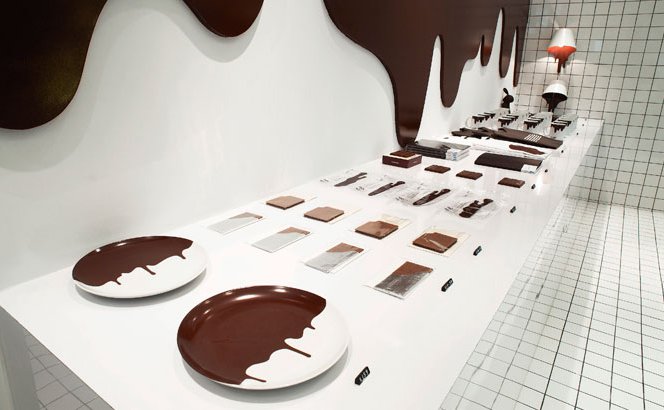
Chocolate Research Facility store vía http://sergetheconcierge.typepad.com/

Chocolate Research Facility store vía http://sergetheconcierge.typepad.com/

Chocolate Research Facility packagings vía CRF Facebook Page

Chocolate Research Facility packagings vía CRF’s Facebook Page

Chocolate Research Facility store vía CRF's Facebook Page

Chocolate Research Facility store vía CRF’s Facebook Page

Chocolate Research Facility store desk vía CRF's Facebook Page

Chocolate Research Facility store desk vía CRF’s Facebook Page

CRF (Chocolate Research Facility) it’s a brand from Singapore specialized in innovation and research of new chocolates. Under the slogan of «Happy Food Makes Happy People«, they recreate in their stores-lab impossible and classic mixes in their more than 100 flavors of chocolate. They highlight strategically and consecutively three concepts of their core business: the flavors, the packaging and the store-laboratory.

They establish a strategy through a series of general flavors ordered in large blocks easily recognizable: seasonal flavors, classic, fruit, double fruit, coffee, for tea, with nuts, for experts, exotic and with alcohol. They not only offer an amazing product and experimenter for the senses, but also the resulting flavor is delicious! And from there, the packaging is involved, predisposing and guiding senses to the taste of each tablet. Its image in packaging outstands with graphics and is worked both ranges (series) as flavors within each series. No doubt in many cases one could be to collecting the entire series for the visual effect that produce together. Their website keeps the leitmotif of the brand, reinforcing the graphic and sensorial coherence of its positioning. As well as have various merchandising items (mugs, shirts, plates …) that impact on the sense of identity for chocolate lovers.

And finally, how can this highlight in a space without overshadowing it? Well, maintaining the concept of experiment, bringing the interiorism to a vintage laboratory in which  products stand for their colors and shapes, so the space simply serves as the scenario. In their stores-lab not only exhibit all the flavors and formats but also reserve a small coffee-tasting area, which relieves the feeling of facing a choice between more than 100 options. In addition, they introduce new elements in stores, coinciding with seasonal activities and campaigns. In 2009 CRF was recognized by Time’s magazine as the best Asian store to experiment with chocolate.

Flavors, packaging and store form a triad always ready to impact visually and sensually attract visitors. The brand, as they say, was conceptualized by a serious chocolate lover. They keep the youthful character of chocolate disguised in serious and alchimist version of this food so appreciated.

—-

CRF (Chocolate Research Facility) es una marca de Singapur especializada en la innovación e investigación de nuevos chocolates. Bajo el lema de «Happy Food Makes Happy People«, recrean en sus tiendas-laboratorio mezclas imposibles y clásicos en sus más de 100 sabores de chocolate. Destacan estratégicamente y de forma correlativa 3 conceptos de su core-business: los sabores, el packaging y la tienda-laboratorio.

Establecen su estrategia de sabores mediante unas series generales que los ordenan en grandes bloques fácilmente reconocibles: sabores de temporada, clásicos, de frutas, con doble fruta, de café, para el té, con frutos secos, para expertos, exóticos y con alcohol. No sólo ofrecen un producto sorprendente y experimentador para los sentidos, sino que además el sabor resultante resulta delicioso! Y a partir de ahí, es el packaging el que interviene, predisponiendo y guiando nuestros sentidos hacia el sabor de cada tableta. Su imagen gráfica en packaging es excepcional y se trabaja tanto por gamas (series) como por sabores dentro de cada serie. Sin duda, en muchos casos podría llevarse al coleccionismo de toda la serie por el efecto visual que producen en conjunto. Su web mantiene el leitmotiv de la marca, reforzando la coherencia gráfica y sensorial del posicionamiento, al igual que cuentan con distintos elementos de merchandising (tazas, camisetas, platos…) que impactan sobre el sentimiento de identidad de los amantes del chocolate.

Y por último, ¿cómo hacer destacar todo esto en un espacio sin eclipsarlo? Pues manteniendo el concepto de experimento, llevando el interiorismo hacia un laboratorio vintage en el que destaquen los productos por sus colores y formas y el espacio sirva simplemente de marco / escenario. En sus tiendas-laboratorio no solo exponen todos los sabores y formatos sino que también reservan una pequeña zona de degustación-café, que aligere la sensación de enfrentarse a una decisión entre más de 100 opciones.  Además, introducen nuevos elementos en las tiendas, coincidiendo con acciones estacionales y campañas. En 2009 fue reconocida por la revista Time como la mejor tienda asiática para experimentar con el chocolate.

Sabores, packaging y tienda forman una tríada dispuesta siempre a impactar visualmente, atrayendo sensorialmente a los visitantes. La marca, como dicen, se conceptualizó por un serio amante del chocolate. Mantienen el carácter juvenil del chocolate camuflado en una versión seria y alquimista de este alimento tan apreciado.

#mybestretailexperience Our Instagram Contest! // #mybestretailexperience ¡Nuestro concurso en Instagram!

So yes, today begins our Instagram contest on What’s your favorite store in the world? Take a picture of your favorite stores and tag them with the hashtag #mybestretailexperience. If your photo gets more «Like»s than anyone, you’ll receive at home a brandcelona® Xmas kit.

Votations will be open until December 19 and on December 20 we’ll post the winner here.  Good luck and enjoy!

—-

Pues sí, hoy empieza nuestro concurso de Instagram sobre ¿Cuál crees que es la mejor tienda del mundo? Haz una foto a tus tiendas preferidas y taguéalas con el hashtag #mybestretailexperience. Si consigues que tu foto tenga más «Me Gusta» que nadie, recibirás en casa un kit navideño brandcelona®.

Tienes hasta el 19 de diciembre para que voten tus capturas y el día 20 de diciembre publicaremos por aquí el ganador. ¡Mucha suerte y disfruta!

brandcelona.com is here! // ¡brandcelona.com ya está aquí!

This week we are full of news!

The first one: we present our new website brandcelona.com. There you can find all our offer of services and the latest news related to Business Design and Brand Experience in Retail.

The second new is about the two videos that we’ve made to explain our vision and the lifestyle that inspires us the city of Barcelona (our manifesto), and also our workstyle. Check them out at the end of this post!

The third one is that now you’ll be able to customize a retail tour in your city or wherever you prefer, fulfilling the form with your interests and the sector you want to study.

And the last one, you can already subscribe to our monthly newsletter in which you will be aware of everything we do as well as you will be able to participate exclusively to some of our open retail tours, workshops and talks.

—-

¡Esta semana estamos cargados de novedades!

La primera: ya podemos presentar nuestra nueva página web brandcelona.com. Allí podréis encontrar toda nuestra oferta de servicios y novedades relacionadas con el Diseño de Negocios y Experiencia de Marca en Comercios.

La segunda novedad son dos vídeos que hemos hecho que explican cuál es nuestra visión y el estilo de vida que nos inspira la ciudad de Barcelona (nuestro manifesto), así como sobre cuál es nuestra manera de trabajar. Échales un vistazo al final de este post!

La tercera, es que ya puedes pedir información para personalizar un retail tour en tu ciudad o donde prefieras, especificando en el formulario tus intereses y sector sobre el que quieres aprender.

Y por último, ya puedes suscribirte a nuestro newsletter mensual con el que podrás estar al corriente de todo lo que hacemos y apuntarte en exclusiva a algunos de nuestros workshops, talks y retail tours abiertos que organizamos.

brandcelona® lifestyle from brandcelona on Vimeo.

workstyle brandcelona® from brandcelona on Vimeo.

Hot Paper Restaurant, enveloping leitmotif // Hot Paper Restaurant, leitmotif envolvente

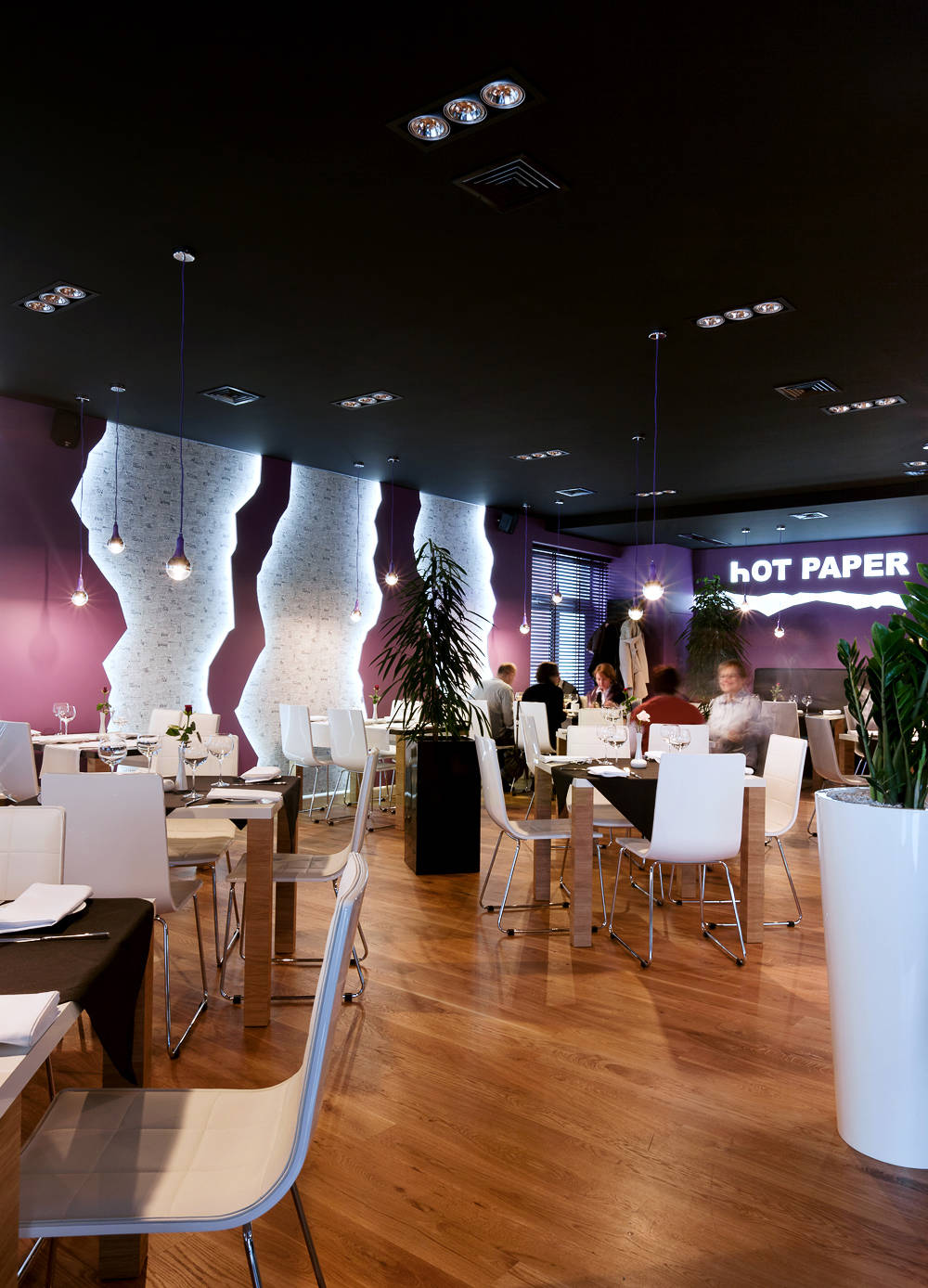
Hot Paper restaurant in Tczew via http://www.archdaily.com

Hot Paper restaurant in Tczew via http://www.archdaily.com

Hot Paper restaurant in Tczew via http://www.archdaily.com

Last February was inaugurated in the Polish city of Tczew the urban restaurant Hot Paper under the leitmotif of newspapers and information, perhaps as a symbol of openness to an  increasingly cosmopolitan and modern environment.

On the walls blend 2 textures: a wallpaper of newspapers cuttings and a purple geometric shape made ​​of milled rock tiles. The combination is accentuated by the subtle lighting of the edges which creates two distinct planes, remembering the sound and image of a paper cut by hand. In addition, natural oak wood and colored milled rock tiles are incorporated to neutralize and give more prominence to the leitmotif, too.

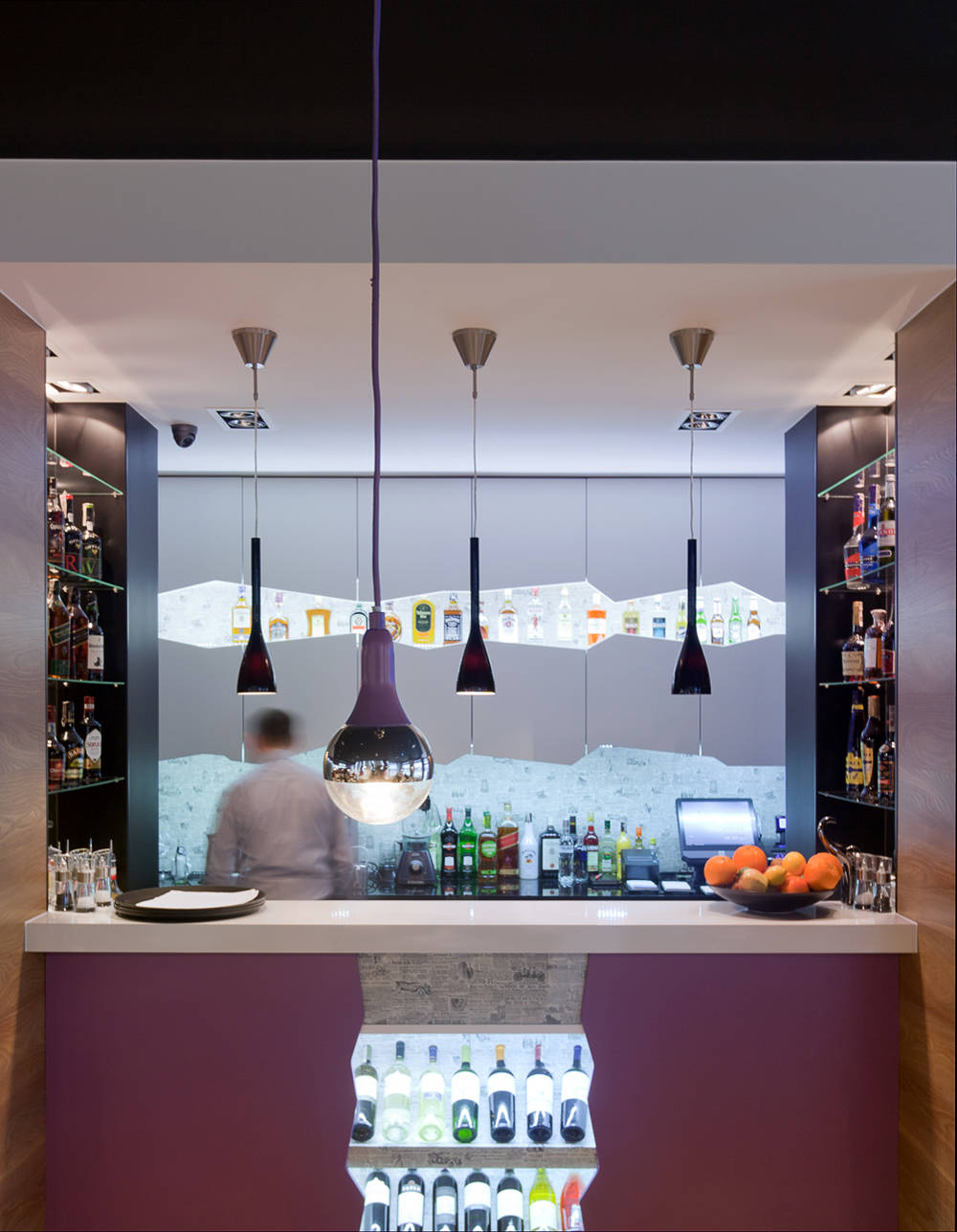
In front of the kitchen, there is a small bar counter that recreates the concept three-dimensionally, making a game of lights, shapes and colors, thanks to the shelves where drinks are displayed.

The restrooms also maintain the concept and even seek a way to interact with the visitor, as the background music teaches words and phrases in other languages​​, as part of the cosmopolitan experience of the place.

The leitmotif of a space will help to articulate the type and style of the experience that we want the visitor remember, that’s why it’s so important to work it in all spaces and media of a business so long as it’d be enveloping, and specially, genuine and memorable.

Brandcelona retail consulting can advise you on the highlights to structure corporate identities through enveloping messages, as the leitmotif. Do not hesitate to contact us at info@brandcelona.com  to study the best alternatives and plan how to carry them out in your business plan.

—-

El pasado febrero se inauguró en la ciudad polaca de Tczew el restaurante urbano Hot Paper bajo el leitmotif de los periódicos y la información, quizás como símbolo de apertura a un entorno cada vez más cosmopolita y moderno.

En las paredes se mezclan 2 texturas: el papel de pared con recortes de periódico y unas formas geométricas de color violeta hechas de piedra molida. La combinación se acentúa gracias a la sutil iluminación de los bordes que crea dos planos diferenciados, recordando el sonido e imagen de un periódico recortado a mano. Además, la madera natural de roble y los azulejos de roca molida de colores se incorporan para neutralizar y a la vez, darle más protagonismo al leitmotif.

Frente la cocina, se sitúa una pequeña barra de bar que recrea el concepto tridimensionalmente, haciendo un juego de luces, formas geométricas y colores, gracias a las estanterías donde se coloca la bebida.

Los lavabos también mantienen el concepto e incluso, buscan una forma de interactuar con el visitante, pues el hilo musical enseña palabras y frases en otros idiomas, como parte de la experiencia cosmopolita del lugar.

El leitmotif de un espacio ayudará a articular el tipo y estilo de la experiencia que queremos que el visitante recuerde, por eso es tan importante trabajarla en todos los espacios y soportes de un negocio con tal de que sea envolvente y, sobre todo, genuína y memorable.

Brandcelona retail consulting te puede asesorar sobre los aspectos más destacados para estructurar identidades corporativas a través de mensajes envolventes, como el leitmotif. No dudes en contactarnos en info@brandcelona.com para que estudiemos las mejores alternativas y planificar cómo llevarlas a cabo en tu plan de negocio.

Proyéctate UIP & brandcelona

Last August 15 brandcelona had the pleasure of presenting by the hand of Marc Guitart this project and its methodology in a workshop and a lecture at the Universidad Interamericana de Panamá.

In the workshop on Service Design & Branding, 25 students of the Faculty of Architecture, Design and Communication worked on methodologies of action in branding and how to setup and design services from brand design.

During the lecture «brandcelona’s brand experience» various projects conducted by brandcelona were presented around brand experience, by means of branding and retailing as a strategy for internationalization. Also discussed specific projects according to their immediate context either geographical, economical, cultural, demographical, technological … and how to frame and use this link to create a close and enveloping identity.

Both sessions served to structure a solid basis on the design methodology, highlighting and sharing their importance for brandcelona in projects and consultancies.

From here, we would like to thank again Ilka Sanchez for her project l’Espai and Lauren Grimaldo, director of new degrees of UIP, for their invitation and the hospitality that we experienced during our stay in Panama.

And of course, «chorreamos seco y bailamos el mogollón», thanks to all!

—-

El pasado 15 de agosto brandcelona tuvo el placer de presentar de la mano de Marc Guitart este proyecto y su metodología en un workshop y una conferencia magistral en la Universidad Interamericana de Panamá.

En el workshop sobre Service Design & Branding, cerca de 25 alumnos de la Facultad de Arquitectura, Comunicación y Diseño trabajaron las metodologías de actuación en branding y cómo configurar y diseñar servicios a partir del diseño de marca.

En la conferencia magistral «La experiencia de marca de brandcelona» se presentaron diversos proyectos realizados por brandcelona entorno la experiencia de marca, a partir del branding y el retail como estrategia para la internacionalización. También se debatió sobre proyectos determinados según su contexto más inmediato ya sea geográfico, económico, cultural, demográfico, tecnológico… y como enmarcar y aprovechar ese vínculo para crear una identidad cercana y envolvente.

Ambas sesiones sirvieron para estructurar unas bases sólidas sobre la metodología de diseño, destacando y compartiendo la importancia de éstas para brandcelona en la realización de proyectos y consultorías.

Desde aquí nos gustaría agradecer de nuevo a Ilka Sánchez por su proyecto l’Espai y a Lauren Grimaldo, directora de nuevas licenciaturas de la UIP, por su invitación y la acogida que nos brindaron durante nuestra estancia en Panamá.

Y cómo no, «chorreamos seco y bailamos el mogollón», ¡gracias a todos!

The shopping villages experience // La experiencia de las villas de shopping

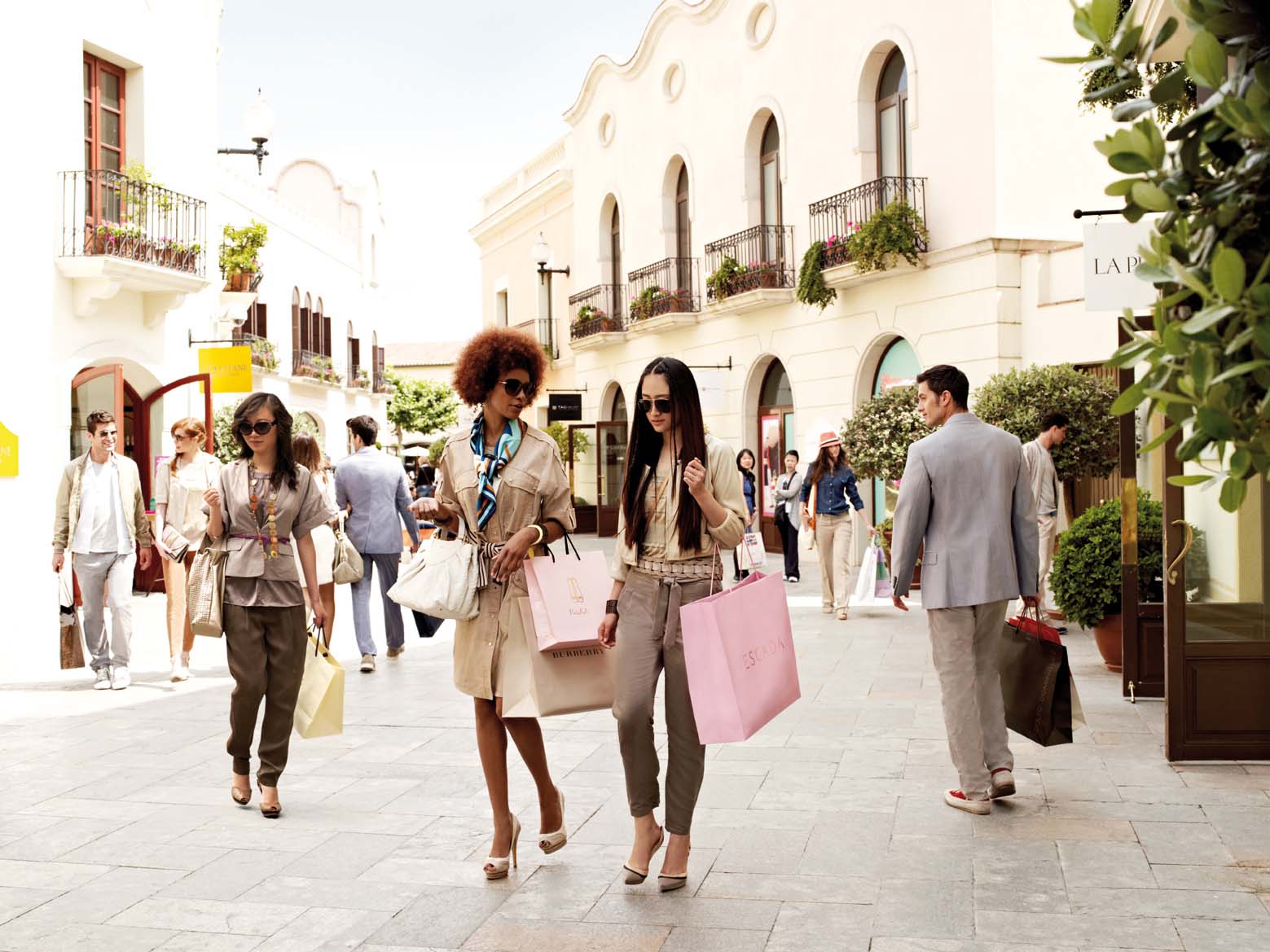
La Roca Village (Barcelona) via somepleasures.blogspot.com

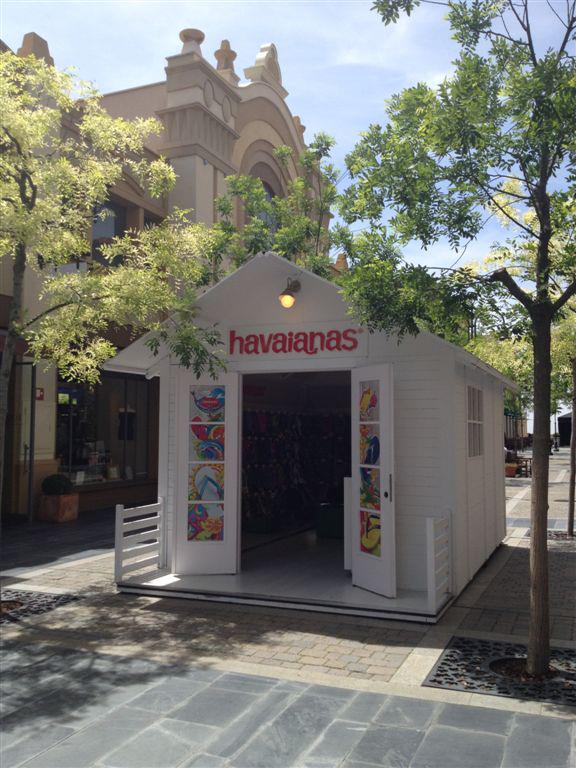
Havainas Store in Las Rozas Village (Madrid) vía Las Rozas Village Facebook Page

Ingolstadt Village (Munich) vía Ingolstadt Village Facebook Page

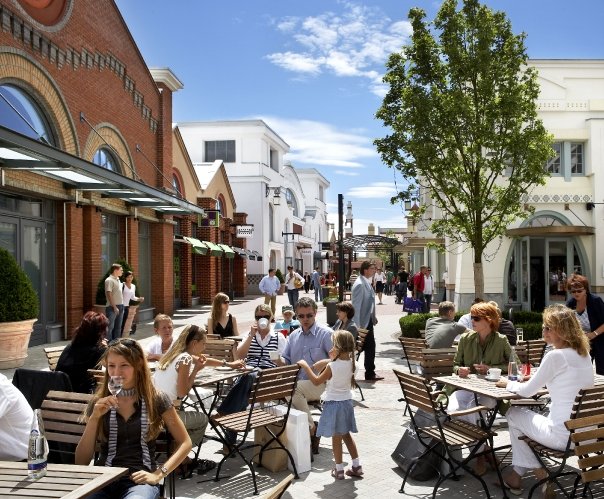
The city center has gradually become a space of pace and stress in which traffic, construction and the crowd are the background music and distances between the chic shops is widening more and more. All this, is just turning the experience of shopping into a «risky sport» that saturates and depletes visitor forces. Shopping villages are responding to this new scenario: decentralized small towns with streets and squares to walk through without cars or noise and where brands are exposed in an intimate and relaxed way.

The added value of this retail format is to offer an enjoyable experience, more adapted to the needs of visitors. In shopping villages we often find luxury brands with great deals and innovative and unique collections, as well as independent retailers and cultural projects, such as exhibitions and leisure activities. Its aesthetic of small autochthonous village  accompanied by a good choice of restaurants, cafes and terraces as well as gardens and areas for the amusement of children. They become places to visit with the family and offer common services for all facilities as the possibility of having a personal shopper, shopping without hanging bags and visitor information points. Also usually consider a good link with the surrounding towns and from the airport, providing shuttle buses and proximity to major transport networks, as they also represent a good tourism offer to the area.

One of the pioneers in Europe of this format is the company Chic Outlet Shopping that has villas in London, Milan/Bologna, Dublin, Brussels/Antwerp/Cologne, Frankfurt and Munich, Barcelona (La Roca) and Madrid (Las Rozas). They plan to open a new villa in Suzhou (Shanghai, China), to push the boundaries of the European continent. We could also cite as a reference, the Boxpark mall in London or the popup REC festival in Igualada (Barcelona)  of whom we talked about a few months ago.

—-

El centro de la ciudades se ha ido convirtiendo en un espacio de paso y estrés en el que el tráfico, las obras, la multitud son el hilo musical y las distancias entre las tiendas más chic cada vez se amplían más. Todo ello, acaba convirtiendo la experiencia del shopping en un «deporte de riesgo» que satura y agota las fuerzas del visitante. Las shopping villages son la respuesta a este nuevo escenario: pequeños pueblos descentralizados en los que pasear por calles y plazas sin coches ni ruidos donde las marcas se exponen de forma más íntima y relajada.

El valor añadido de este formato de retail reside en ofrecer una experiencia agradable y más adaptada a las necesidades de los visitantes. En las shopping villages suelen encontrarse marcas de lujo con grandes descuentos con colecciones innovadoras y exclusivas, así como proyectos de retail independiente y culturales como exposiciones y actividades de ocio. Su estética de pequeño pueblo autóctono se acompaña por una buena oferta de restauración, cafés y terrazas así como zonas ajardinadas y áreas para el divertimento de los más pequeños. Se convierten en espacios en los que visitar en familia además de ofrecer servicios comunes para todos los establecimientos como la posibilidad de contar con un personal shopper, comprar sin cargar bolsas y puntos de información al visitante. También suele tenerse en cuenta la buena conexión con las localidades vecinas y también desde el aeropuerto, ofreciendo buses lanzadera y cercanía a las principales redes de transporte, pues también representan una buena oferta turística para la zona.

Una de las compañías pioneras en Europa de este formato es Chic Outlet Shopping que cuenta con villas en Londres, Milán/Bolonia, Dublín, Bruselas/Antwerp/Colonia, Frankfurt y Munich, Barcelona (La Roca) y Madrid (Las Rozas). Próximamente planean abrir una nueva villa en Suzhou (Shanghái, China), traspasando las fronteras del continente europeo. También podríamos citar como referente, el centro comercial Boxpark en Londres o el festival popup REC en Igualada (Barcelona) de los que hablamos hace unos meses.

Temps suspendu: Hermès vs Hermes

For a better understanding and to complete all those elements linked to the brand experience that influence the buying process, we will count with the collaboration of experts that will introduce concepts that will improve our business development, from different disciplines and points of view. Today we are pleased to introduce a text of Elena Rocchi, architect, artist and teacher.

There are small actions that give to us as designers the ability to make a transversal reflection between knowledge, occupation and age. Reflection requires a suspended time. Mr. Alvaro (Siza) is impressed on how in our time there is a hurry to finish everything quickly. For some time now, I agree with him. I am an architect. In my work there is never time to finish the good work. Perhaps Architecture and Interior Design will now suffer because of the rush. Architects are freaks of drawing and redrawing, this obsession to retain the good ideas, enjoying the slow time of the working hypotheses. Difficult task, because at the end of the day you have to mediate with the width of the street …

Here I will deal with a slower theme, almost suspended.

Italo Calvino, in his posthumous book «Six Memos for the Next Millennium» opens the book talking about «taking weight» as an attitude to the new time in which we live right now, as well as designers. Speaks of Pegasus, the winged horse born from the blood of Medusa, and Hermes with winged feet, light, air, deft, agile, adaptable, all equipped to «run» from one side to another and to establish relationships between men and their gods. The most similar to our Internet. At a era when there was not even Nokia, Calvino spoke of the speed of Hermes as an ingredient to be carried the future. And yes, we took it.

At the end of the chapter on the speed, Calvino quotes a Chinese story about the artist Chuang-Tzu to whom one day a king ordered the drawing of a crab. Chuang-Tzu told the king he needed five years. After 5 years, the picture was not even begun. «I need another five years,» said the king. On termination of the time a total of ten years, Chuang-Tzu took a brush, and instantly drew the most perfect crab ever had seen.

Quite the opposite of what would happen in our time where we «domiciled» the idea of velocity (Paul Virilio, the vitesse)… Today everything is fast. We do not have a king to ask him ten years to draw a crab. And if we shoot at this speed in which we are involved, we would fall like a top.

Almost all of our scenarios are stuck in this change that has altered «the relationship» between the two times spoken of by the Chinese story: the fast and the suspended, deeply linked to each other in a matter of settling, maturation and separation of the impatience and ephemeral contingency as Calvino tells us.

By turning the world, I find devices that can interpret in another way the direction of these changes.

Hermès/French Fashion for example, speaking of Hermes/Mercury.

In 2009, Hermès sets a time to make a stop on their way to see which is the model that they will apply in their company trip, as a way to professionalizing and personalizing it.

At the 24 of the Rue du Faubourg Saint-Honore in Paris, a clock suspended, La Pendulette Boule, presided over the old desk of Émile Hermès Maurice (1871-1951), a man who collected objects which had in common emotion, tradition and modernity.

A suspended a clock witnessed the birth of this company that deals with the time since 1912, when he made his first strap of a pocket watch that «… agree to postpone the release of a scarf one year to allow a craftsman to perform well his work. «

The handcrafted «Do» by Hermès is well known for its «Kelly bag«. I had boyfriend who was an artisan of leather bags that took almost three days to reproduce one of them… But in the 80s, for all those who «did» things with their hands, seemed normal to spend more time on learning how to do something. 17,000 enrolled in the faculty of Architecture, we were aware that only a small percentage was going to complete their studies to meet the requirement of patience in repeating and repeating and repeating things in a long time, a fundamental condition for the training in our profession. Embarking on the training of architects was knowing that hurry wasn’t worth at all. But neither served for the necessary rest that ideas need.

In an age where time is the real luxury of today’s society, in December 2011 Hermès organized near the Great Wall of Beijing an «altered» and «custom» (re)presentation of time through the clock «Temps Suspendu«. Those who attended to the (re)presentation experienced the «forget» of the actual time to enter into «Hermès» time, using the imagination. The event was to launch the clock «Suspended time», a watch that sometimes acts like «forgetting» for a moment of the present, through a mechanism, and altering the time it takes. Pressing a button at 9, there is the illusion of «suspending time» at 12 while the calendar simply «disappears» from view.

Hermès’ relationship with time has nothing to do with the quantity but quality. From the drawing of the products to their stores. The experience that Hermès wants to give to those buying Hermès is accompanied by a «warm» time. It’s like when you date with the man of your life. The most important thing is this suspended time you will spend with him.

The interpretation of time by Hermès is also the starting point of the design of its stores. Several designers who are called to design them, should think on their designs with an attitude: «Temps Suspendu» as time to dream, without stress.

Hermès’ obsession in trying to draw «humanized» objects in the context of a world ruled by the impersonal is reflected in the scale of their shops and storefronts. Works in their stores with designers who think spaces where people can feel with all their senses. An example is the collaboration with the multidisciplinary artist and industrial designer Tokujin Yoshioka, a very special artist who in his youth visited the Chapelle du Rosaire whose light is nourished by the stained glass of Matisse.

The shopwindow at the Maison Hermès in Japan by Tokujin designed for the french fashion company is a «moment of emotion» in a time suspended.

One of the most famous actress in Japan is on screen and in front of her, a scarf of the new collection. Nothing more. Digital + Analog, both literally suspended, both rectangular, same height, one opposite to the other (one in color, the other in black and white).

An instant of the duration of a breath that will be remembered for that matter, absorbed in their haste to go from one place to another «running (without wings)» and stops to wait for the blow and the magic happen again and again. Hermès vs Hermes.

My mother has an Hermès scarf given by my father in the 80’s, bought in Paris. Blue and gold. I know the feeling of wearing a Hermès scarf around the neck.

But even if I didn’t, the repeated contemplation of that light and delicate breath makes imagining it during the duration of the suspended time, which then you will end up buying: the feeling of that silk. This is design. It is talking about peripheral and dreamy perceptions.

These projects make the user time to a standstill, even the movement keeps running. As the clock button that makes disappear time that we spoke above. Freeze the time of reality and pass to be in your own time. Pierre-Alexis, the 6th generation of Hermès speaks of «a slower time». Slow time, quick time, time to enjoy … All this is Hermès. It is the same pleasure wearing a cashmere sweater or having a beautiful leather accessory. You’re at your own time, and that’s important … It seems that Hermès is like a refuge».

Can we, in our time of Vitesse where everything is fast and in continuous motion with no  stopping signals, stop time?

Can we freeze for a moment the Vitesse, as in the paradox of Zeno’s arrow, where if you look at each position where the arrow is for an instant of its movement to reach its goal, paradoxically it does not move?

Can we stop for a moment the other moments that are happening?

The future world will be a world where differences will be minor. Has started a new process of «changing attitudes» that everyone can analyze in their own small laboratory of taking decisions. Suspend time and say: «I want to be this.»

Elena Rocchi

—-

Para completar y entender mejor todos los elementos vinculados a la experiencia de marca que inciden en el proceso de compra, contaremos con la colaboración de expertos que nos irán introduciendo, desde distintas disciplinas y visiones, conceptos que nos ayudarán a construir mejor nuestro negocio. Hoy estamos encantados de presentaros un  texto de Elena Rocchi, arquitecta, artista y profesora.

Hay pequeñas intervenciones que dan a nuestra condición de diseñadores la posibilidad de hacer una reflexión transversal entre saber, profesión y época. Una reflexión necesita de un tiempo suspendido. Don Álvaro (Siza) se impresiona de cómo en nuestro tiempo hay prisa por acabar todo rápidamente. Desde hace un tiempo, estoy de acuerdo con él. Soy arquitecta. En mi trabajo nunca hay el tiempo para acabar bien los trabajos. Quizás la Arquitectura y el Diseño de Interiores sufren ahora por culpa de las prisas. Los arquitectos somos unos maniáticos de dibujar y redibujar, por esta obsesión de conservar las buenas ideas, de disfrutar del tiempo lento de las hipótesis de trabajo. Difícil tarea, porque al final del día hay que mediar con el ancho de la calle…

Aquí trataré un tema más lento, casi suspenso.

Italo Calvino, en su póstumo libro “Seis propuestas para el próximo milenio” abre el libro hablando de “quitar peso” como actitud para el nuevo tiempo en el que vivimos ahora, también como diseñadores. Habla de Pegaso, el caballo alado nacido de la sangre de Medusa, y de Hermes con alas en los pies, ligero, aéreo, hábil, ágil, adaptable, todo equipado para “correr” de un lado al otro y establecer relaciones entre los hombres y sus dioses. Lo más parecido a nuestro Internet. En una época en la que ni siquiera existía Nokia, Calvino hablaba de la rapidez de Hermes como ingrediente para llevarse al futuro. Y sí, nos lo llevamos.

Al final del capítulo sobre la rapidez, Calvino cita un cuento chino sobre el dibujante Chuang-Tzu al cual un día un rey pidió el dibujo de un cangrejo. Chuang-Tzu le dijo al rey que necesitaba cinco años. Después de 5 años, el dibujo ni siquiera estaba empezado. “Necesito otros cinco años”, le dijo al rey. Al pasar los diez años, Chuang-Tzu cogió un pincel, y en un instante dibujó el cangrejo más perfecto que jamás se hubiera visto.

Todo lo contrario de lo que ocurriría en nuestra época donde hemos “domiciliado” la idea de velocidad (Paul Virilio, la vitesse)… Hoy todo es rápido. Ya no tenemos un rey al que pedirle diez años para dibujar un cangrejo. Y si dejamos de rodar a esta velocidad en la que estamos metidos, como una peonza, nos caeríamos.

Casi todos nuestros escenarios son atrapados en este cambio que ha alterado “la relación” entre los dos tiempos de los que hablaba el cuento chino: el rápido y el suspendido, el uno ligado profundamente al otro en cuestión de sedimentación, maduración y separación de la impaciencia y contingencia efímera, así como nos cuenta Calvino.

Dando vueltas por el mundo, encuentro dispositivos que saben interpretar de otra manera la dirección de estos cambios.

Hermès/moda francesa por ejemplo, hablando de Hermes/Mercurio.

En 2009 Hermès fija un momento en el que hacer un alto en su camino para ver cuál es el modelo que aplicará en su viaje de empresa, como forma de profesionalización y personalización de la misma.

En el 24, Rue du Faubourg Saint-Honoré, en París, un reloj suspendido, La Pendulette Boule, presidía la antigua mesa del despacho de Émile-Maurice Hermès (1871-1951), un hombre que coleccionaba objetos que tenían en común emoción, tradición y modernidad.

Un reloj suspendido fue testigo del nacimiento de esta empresa que trata con el tiempo desde 1912, cuando realizó su primera correa para un reloj de bolsillo y que «…acepta posponer el lanzamiento de un fular un año para permitir que un artesano realice bien su trabajo».

El “Hacer” artesanal de Hermès es famoso por el bolso “Kelly”. Tuve un novio artesano de bolsos de piel que tardaba casi tres días en reproducir uno de ellos… Pero en aquellos años ’80, a todos aquellos que “hacíamos” las cosas con nuestras manos, nos parecía normal tardar en aprender a hacer algo. 17.000 inscritos en la facultad de arquitectura, éramos concientes que sólo un pequeño porcentaje iba a completar sus estudios por cumplir el requisito de la paciencia en repetir y repetir y repetir las cosas en un tiempo largo, condición fundamental de la formación en nuestra profesión. Embarcarse en la formación de arquitecto era saber que tener prisa no servía para nada. Pero sobre todo no servía para el necesario poso que necesitan las ideas.

En una época donde el tiempo es el auténtico lujo de la sociedad actual, en diciembre de 2011 Hermès organiza cerca de la Gran Muralla en Pekín una (re)presentación “alterada” y “personalizada” del tiempo a través del reloj “Temps Suspendu”. Quien asistió a la (re)presentación experimentó “olvidar” el tiempo real para entrar en el tiempo “Hermès”, usando la imaginación. El evento fue para el lanzamiento del reloj del “Tiempo suspendido”, un reloj que a veces “olvida” por un instante, a través de un mecanismo, el momento presente y altera el tiempo del que lo lleve. Presionando un pulsador a las 9, se produce la ilusión de «suspender el tiempo» a las 12 a la vez que el calendario simplemente “desaparece” de la vista.

La relación de Hermès con el tiempo no tiene que ver con la cantidad, sino con la calidad. Del dibujo de los productos a sus tiendas. La experiencia que Hermès quiere dar a los que compran Hermès va acompañada de un tiempo “cálido”. Es como cuando quedas con el hombre de tu vida. Lo mas importante será ese tiempo suspendido que pasarás con él.

La interpretación del tiempo por parte de Hermès es el punto de partida también del diseño de sus tiendas. Varios diseñadores que son llamados a proyectar, deben reflexionar con sus diseños sobre una actitud: “Temps Suspendu” como tiempo para soñar, sin estrés.

La obsesión de Hermès por intentar dibujar objetos “humanizados” en el contexto de un mundo regido por lo impersonal, se refleja en la escala de sus tiendas y sus escaparates. Trabaja para sus tiendas con diseñadores que piensan espacios donde las personas puedan sentir con todos sus sentidos. Un ejemplo es el de la colaboración con el artista multidisciplinar y diseñador industrial Tokujin Yoshioka, un artista muy especial que en su juventud visitó la Chapelle du Rosaire cuya luz es alimentada por los vitrales de Matisse.

El escaparate en la Maison Hermès de Japón que Tokujin diseñó para la empresa de moda francesa es un “momento de emoción” en un tiempo suspendido.

Una actriz de las más famosas en Japón está en pantalla y delante de ella, un pañuelo de la nueva colección. Nada más. Digital + Analógico, ambos suspendidos literalmente, ambos rectangulares, misma altura, uno el opuesto del otro (uno en color, el otro en blanco y negro).

Un instante de la duración de un soplo que quedará en la memoria de el que pasa, absorbido en su rapidez de ir de un lugar a otro “corriendo (sin alas)” y que se para a esperar a que el soplo y la magia ocurran una y otra vez. Hermès delante de Hermes.

Mi madre tiene un pañuelo Hermès que le regaló mi padre en los años ’80, comprado en París. Azul y oro. Sé cuál es la sensación de llevar un pañuelo Hermès al cuello.

Pero aunque no la supiera, la contemplación repetida de aquel ligero y delicado soplo hace imaginar durante el rato que dure el tiempo suspendido, lo que luego acabarás comprando: la sensación de una seda. Esto es diseño. Es hablar de percepciones periféricas y ensoñadas.

Estos proyectos hacen que el tiempo del usuario se paralice, aunque el movimiento siga corriendo. Como el pulsador del reloj que hace desaparecer el tiempo del que hablaba más arriba. Congelas el tiempo de la realidad y pasas a estar en el tuyo. Pierre-Alexis, de la 6ª generación Hermès, habla de “Un tiempo más lento. Tiempo lento, tiempo rápido, tiempo para disfrutar… Todo eso es Hermès. Resulta el mismo placer que ponerte un suéter de cachemir o tener un hermoso accesorio de piel. Estás en un momento para ti, y eso es importante… Parece que Hermès es como un refugio”.

¿Podemos, en nuestro tiempo de Vitesse donde todo es rápido y en movimiento contínuo sin señales de detenerse nunca, suspender el tiempo?

¿Podemos congelar por un momento la Vitesse, como ocurre en la paradoja de la flecha de Zenón, donde si analizamos cada posición en la que se encuentra la flecha durante un instante de su movimiento para alcanzar su objetivo, paradójicamente ella no se mueve?

¿Podemos por un momento parar a los demás instantes que se sucedan?

El mundo del futuro será un mundo donde las diferencias serán menores. Ha comenzado un proceso nuevo de “cambio de actitudes” que cada uno puede analizar en su pequeño laboratorio personal en el que toma sus decisiones. Suspender el tiempo y decir: “ yo quiero ser esto”.

Elena Rocchi

Dialogues on the future of retail part I // Diálogos sobre el futuro del retail parte I

This is the first part of a series of dialogues between Marc Guitart and Erika Herrera thinking about the future of retail.

MG: We live in very different cities, but I’m sure we can measure innovation globally. This is increasingly spreading to other sectors such as retail. Stores are struggling to counter online stores and vice versa and are committed to innovation, though, of course, this innovation does not have to always be linked with technology, right?

EH: In-store innovation can lead to finding new ways of attracting a consumer group that usually passes unnoticed, and stands if you use multi-channel strategies.

MG: What has been the most innovative thing you’ve seen in a store?

EH: I recently visited a store for plus-size women. Called my attention that each of its elements were carefully designed and thought for the consumer. Since the size of the testers, to a «magic» mirror connected to social networks allowing to share what you like or create a wishlist for future purchases. I loved especially this latter, it is a creative way to link the real and virtual world to maintain and promote the consumer interest. And you?

MG: I remember that in South Korea Tesco implemented in some subway stations  a virtual linear (HomePlus) in which you could scan QR codes of products with your smartphone and they were added to your shopping list. In 2 months they increased their sales by 130% in their online store! I think food industry is betting a lot for innovation in its format and concept.

EH: Luxury stores also bet very strong for innovation. One reason that may explain it is the budget they have and the market to which they are addressed. An example I love is Burberry. Using 360-degree screens they have integrated digital experience in-store and among other things, allows to transmit real-time parades.

MG: It is clear that the integration of offline and online experience with social networks is becoming increasingly important.

EH: A recent trend that will mark the world of luxury shops.

MG: In the health sector, sport and wellbeing are also being incorporated many innovative elements from the concept of the space to the way of buying.

EH: This sector takes it in their DNA as products and customers demand it. That is, the type of market that demands constant innovation in-stores. For example, Adidas, whose commitment to innovation is noticeable from the visual merchandising of the product, to their recent collaboration with Intel to connect stores to the digital world.

MG: Innovation in-store always adds value to the brand, because is the intangible memory that users carry on.

EH: Good or wrong, what is happening in-store is recorded in the consumer’s mind. Much more now with multi-channel experience, which means, among other things, that what you see and experience in the physical store is reflected (or so it should) in all other channels, and vice versa. Thus, innovation in-store should be a priority, as is the basis on which to build the consumer experience.

MG: Absolutely. It is about betting on a consistent experience whether online or offline, all that the user is living with a brand will remain in its memory as its experience, hence the importance of designing and managing strategic planning to address it.

We will return to the ‘Dialogue on the future of retail’ in the following article of the series. Meanwhile, feel free to introduce yourself into the conversation sharing your opinion.

—-

Ésta es la primera parte de una serie de conversaciones entre Marc Guitart y Erika Herrera reflexionando sobre el futuro del retail.

MG: Vivimos en ciudades muy distintas, pero estoy seguro de que podemos medir la innovación a nivel global. Ésta cada vez se extiende por otros sectores, como en el retail. Las tiendas luchan para contrarrestar las tiendas online y viceversa y apuestan por la innovación, aunque, claro, esta innovación no tiene que ir siempre ligada con la tecnología, verdad?

EH: La innovación en una tienda puede traducirse en encontrar formas de atraer a un grupo de consumidores que usualmente pasa desapercibido; y sobresale si hace uso de estrategias multicanal.

MG: ¿Qué ha sido lo más innovador que has visto en una tienda?

EH: Recientemente visité una tienda para el mercado de mujeres de tallas grandes. Llamó mi atención el que cada uno de sus elementos estuviera cuidadosamente diseñado y pensando para la consumidora. Desde el tamaño de los probadores, hasta un espejo “mágico” que se conecta con las redes sociales permitiendo compartir lo que te gusta o hacer una wishlist para futuras compras. Particularmente esto último me encantó, pues es una forma creativa de vincular el mundo real y el virtual para mantener y fomentar el interés del consumidor. ¿Y tú?

MG: Recuerdo que en Corea del Sur Tesco implantó en estaciones de metro un lineal virtual (HomePlus) en el que escaneabas el QR code con tu smartphone y añadías los productos a tu lista de la compra. En 2 meses aumentaron un 130% sus ventas en su tienda online! Creo que el sector de la alimentación está apostando mucho por innovar en su formato y concepto. 

EH: Las tiendas de lujo también apuestan muy fuerte por la innovación. Una razón que tal vez lo explique es el presupuesto con el que cuentan y el mercado al que van dirigidas. Un ejemplo que me encanta es Burberry. Con el uso de pantallas de 360º han logrado integrar la experiencia digital dentro de la tienda y entre otras cosas, permite trasmitir desfiles en tiempo real.

MG: Está claro que la integración de lo offline y lo online con redes sociales cada vez tiene más peso.

EH: Una tendencia reciente que sin duda marcará el mundo de las tiendas de lujo.

MG: En el sector de la salud, el deporte y el bienestar también se están incorporando muchos elementos innovadores, desde el concepto de los espacios hasta la forma de comprar.

EH: Este sector lo lleva en el ADN en tanto los productos y los clientes así lo exigen. Es decir, el tipo de demanda del mercado conduce a una constante innovación de las tiendas. Por ejemplo, Adidas cuyo compromiso con la innovación se nota desde el visual merchandising del producto, hasta su reciente colaboración con Intel para tiendas conectadas al mundo digital.

MG: La innovación in-store siempre aportará valor añadido a la marca, es el recuerdo intangible que se llevan los usuarios.

EH: Sea bueno o malo lo que pasa in-store se registra en la mente del consumidor. Mucho más ahora con la experiencia multi-canal, la cual implica, entre otras cosas, que lo que se vea y experimente en la tienda física se refleja (o así debería) en todos los demás canales, y viceversa. Por ello, la innovación dentro de la tienda debe de ser prioridad, en tanto es la base sobre la que se construye la experiencia del consumidor.

MG: Totalmente de acuerdo. Se trata de apostar por una experiencia coherente ya sea online u offline, todo lo que viva el usuario con una marca quedará en su memoria como su experiencia, de ahí la importancia de diseñar y gestionar la planificación estratégica para abordarlo.

Retomaremos los ‘Diálogos sobre el futuro del retail’ en el siguiente artículo de la serie. Mientras, siéntete libre de introducirte en la conversación y darnos tu opinión. 

Modern tranquility for sweets // Tranquilidad moderna para los dulces

Higashiya Man in Tokio via http://www.higashiya.com

Ori Higashiya in Tokio via http://www.higashiya.com

Hirashiya Ginza in Tokio via http://www.higashiya.com

Japanese interior design has always stood out for its simplicity and harmony, achieving an environment full of tranquility, privacy and hospitality. If we add the delicious taste with whom they like to delight sweets and we place it in the modern times, we fully understand the philosophy of Higashiya. This Japanese company is focused on creating and selling Japanese sweets and accessories. It has 3 locations in Tokyo (Ginza, Ori and Man), each one proposes a different interior solution but fully coherent with the image, experience and philosophy of the brand, shared even in their online store.

Higashiya Ginza: besides the display and sales area, there is a traditional Japanese tea room for 50 people. The white and light wood invade the space, ordered by geometric shapes and delicately lit with natural light in the counter and tiny touches of light along the proposed route to follow until the tea room.

Ori Higashiya: known for its glass facade and a wall with a mosaic of geometrically folded waxed paper. It has a bar with wide stools and an area where they sell waxed paper to decorate boxes or to write messages of courtesy when sweets are given on special occasions.

Higashiya Man: a small kiosk surrounded by luxury stores with a cut curtain that shows the logo waved in the wind. Notable for its small format and harmonious use of all linear, neatly organized with the help of wooden crates.

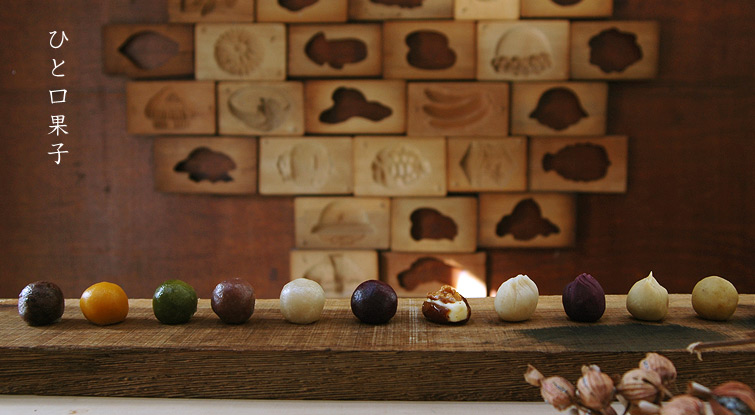
The company strives to create a elegant and artisanal packagings and accessories, emphasizing its clear intention of preserving the beauty of tradition with modern simplicity. Impregnates with delicacy and love all the sweets, boxes, memorial cards and spaces, and manages to convey it in their online store. A sweet pleasure that Josep Ferrando has recommended to us.

—-

El interiorismo japonés siempre ha destacado por su sencillez y armonía, consiguiendo ambientes llenos de tranquilidad, privacidad y hospitalidad. Si lo sumamos al gusto exquisito con el que les gusta deleitar dulces y lo enmarcamos en la modernidad, entendemos perfectamente la filosofía de Higashiya. Esta compañía japonesa se centra en la creación y venta de dulces japoneses y accesorios. Dispone de 3 locales en Toquio (Ginza, Ori y Man), cada uno propone una solución de interiorismo distinta pero totalmente coherente con la imagen, experiencia y filosofía de la marca, compartida incluso en su tienda online.

Higashiya Ginza: además de la zona de muestra y venta, dispone de un salón de té tradicional japonés para 50 personas. El blanco y la madera clara invaden el espacio, ordenado por formas geométricas y iluminado delicadamente con luz natural en el mostrador y con pequeños toques de luz a lo largo del recorrido que propone seguir hasta el salón de té.

Ori Higashiya: destaca por su fachada de cristal y por su pared con un mosaico de papel encerado doblado geométricamente. Dispone de una barra de anchos taburetes y de una zona en la que venden papel encerado para decorar las cajas o bien, para escribir mensajes de cortesía al entregar dulces en una ocasión especial.

Higashiya Man: un pequeño quiosco rodeado de grandes tiendas de lujo con una cortina cortada que muestra el logotipo ondeado por el viento. Destaca por su reducido formato y el aprovechamiento armonioso de todo el lineal, organizado cuidadosamente con la ayuda de cajones de madera.  

La compañía se esfuerza en crear unos packagings y complementos elegantes y artesanales, enfatizando su clara vocación por preservar la belleza de lo tradicional junto a la simplicidad de lo moderno. Impregna de delicadeza y cariño todos sus dulces, cajas, tarjetas conmemorativas y espacios, y logra transmitirlo en su tienda virtual. Un placer muy dulce que Josep Ferrando nos la haya recomendado.

Higashiya sweets via higashiya-shop.com

REC.05: Leverage the past to show the future // REC.05: Aprovechar el pasado para enseñar el futuro

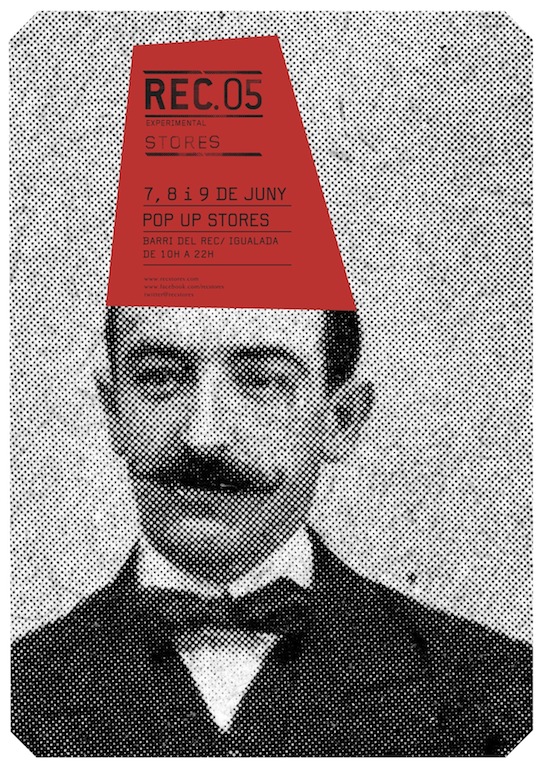
REC.05 poster via http://www.recstores.com

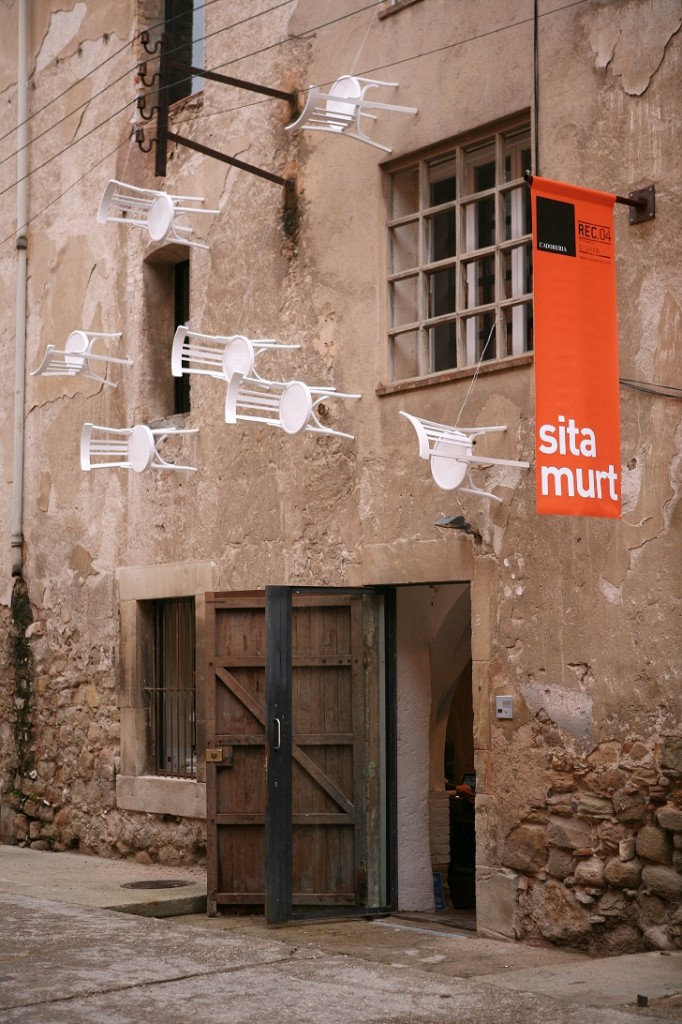
Sita Murt Pop-up Store at REC.04 via http://www.recstores.com

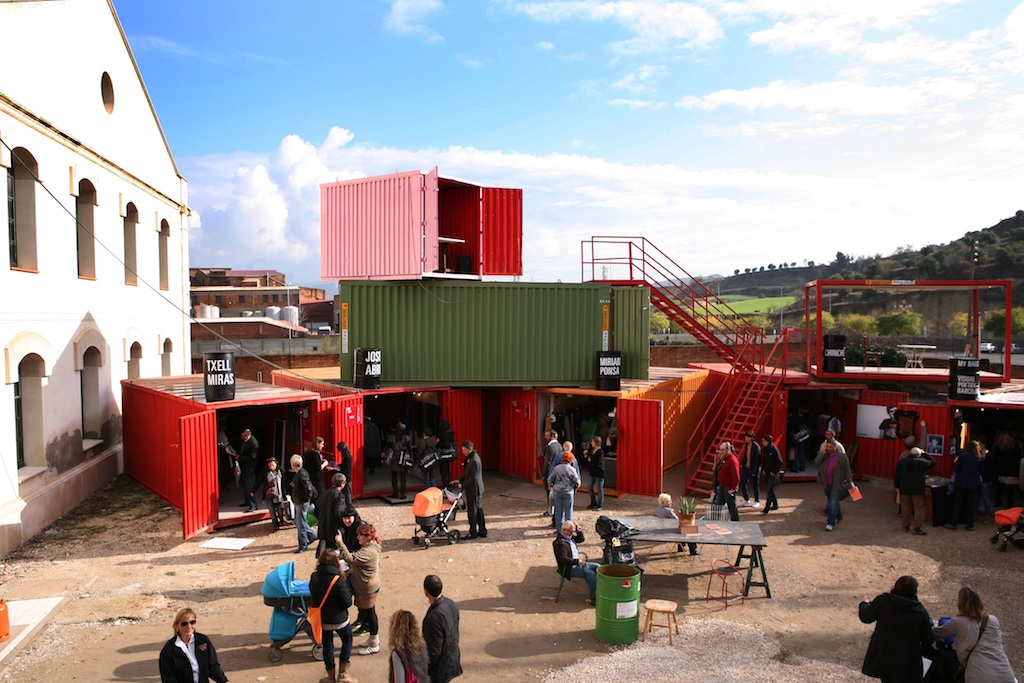
Pop-up stores in containers at REC.04 via http://www.recstores.com

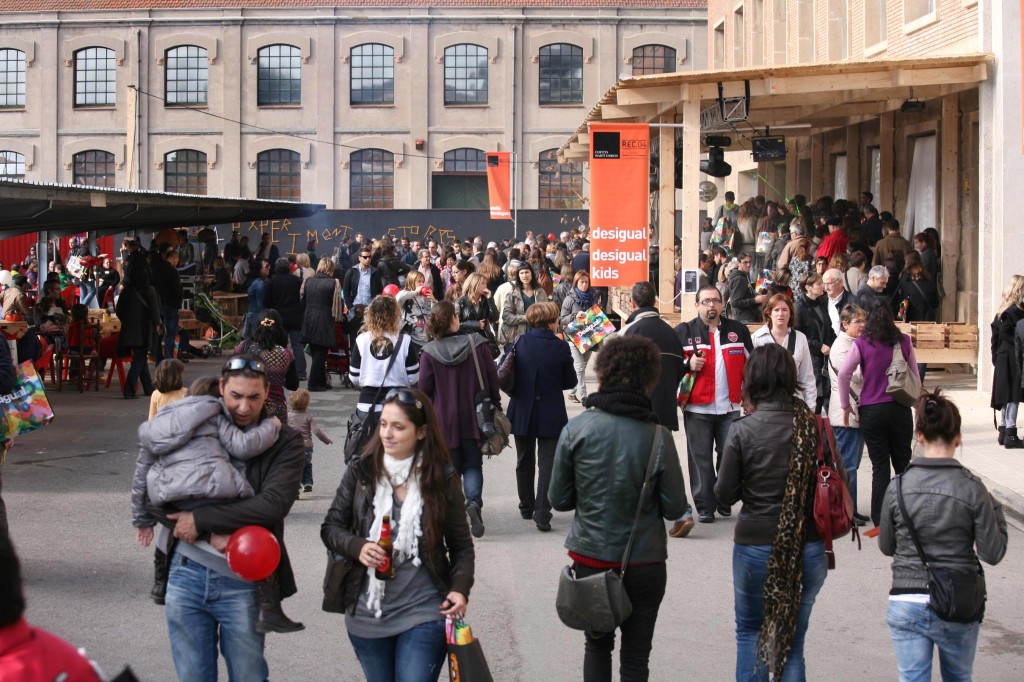
The upcoming 7, 8 and 9 of June takes place in Igualada (Barcelona) Rec.05 Experimental Stores. An event in which the Rec neighborhood, famous for its historical heritage of factories and tanneries, is re-inhabitat with the latest trends in retailing through pop-up stores of major regional and national fashion brands with discounts of up to 80 %.

The old neighborhood is filled with activities and exhibitions that transform buildings and streets offering unique products for the occasion. Emerging trends invade disused buildings and revitalize the district that led the Catalan textile expansion, opening its little treasures to the entire audience. In this edition, in addition to an interactive App for exploring all its corners, they offer the RecShopper service that offers the chance of visiting the zone with a personal shopper. They also introduce a collecting space for recycling used clothing with new uses.

An experiment that combines the latest trends, culture and creativity in an unusual space recovered from the past and transformed to envision the future.

—-

Los próximos 7, 8 y 9 de junio se celebra en Igualada (Barcelona) el Rec.05 Experimental Stores. Un evento en el que el barrio del Rec, famoso por su patrimonio histórico de fábricas y curtidurías, se rehabita con las últimas tendencias en retail mediante pop-up stores de las principales marcas de moda a nivel regional y nacional con descuentos de hasta el 80%.

El viejo barrio se llena de actividades y exposiciones que transforman los edificios y sus calles y ofrecen productos exclusivos para la ocasión. Las nuevas tendencias invaden los edificios en desuso y revitalizan un barrio que lideró la expansión textil catalana, abriendo sus pequeños tesoros a todo el público. En esta edición, además de contar con una App interactiva en la que descubrir todos sus rincones, ofrecen el servicio RecShopper con el que se da la oportunidad de visitar el espacio de la mano de personal shoppers. También introducen un espacio de recogida de ropa usada para reciclarla con nuevos usos.

Un experimento que aúna las nuevas tendencias, la cultura y la creatividad en un espacio insólito recuperado del pasado y transformado para visionar el futuro.