brandcelona steps in Bulgaria // brandcelona стъпва в България

11330037_10153054927223208_7881162592316276274_n recortada

11670_10153054980813208_450848809085265224_n

11351416_10153038777813208_5596865193956162231_n

We continuously expand our horizons and spread brandcelona®’s vision around the world. On May 28-29 we took part in the VI Progressive Conference in Sandanski, Bulgaria. The event was organized by Progressive Bulgaria, a B2B publication aimed at the Fast-Moving Consumer Goods sector.

Marc Guitart, on behalf of brandcelona®, had the pleasure of carrying out a lecture entitled Branding & Space Management: What story does your retail space tell?, emphasizing on the importance of building a business’s brand and creating a memorable user experience. The presentation aimed to convey brandcelona®’s design methodology highlighting the incorporation of branding as a crucial part of a company and a business evolution process.

We were delighted to get to know diverse professionals during the conference and hopefully, we inspired them with brandcelona®’s vision of the world.

We would like to thank Katya Dzhatova and the whole Progressive team for the invitation to participate and congratulate them for successfully organizing the event.

Do novi sreshti, Bulgaria!

__ _

Ние от brandcelona® постоянно се стремим да разширяваме кръгозора си и да разпространяваме идеите си по света. На 28-29 май участвахме в VI Progressive Конференция в Сандански, България. Събитието бе организирано от Progressive България, B2B печатно издание, специализирано в сектора на бързооборотни стоки.

Представяйки brandcelona®, Марк Гитарт изнесе лекция на тема Брандинг & Спейс Мениджмънт: Каква история разказва Вашето търговско пространство?, в която той подчерта важността от изграждане на марката на един бизнес и от създаване на запомнящо се потребителско изживяване. Неговата презентация представи дизайн методите на brandcelona®, изтъквайки брандинга като ключов подход за една компания и за процеса на развитие на един бизнес.

По време на конференцията имахме удоволствието да се запознаем с различни професионалисти и се надяваме, че сме успели да ги вдъхновим с поглед през светогледа на brandcelona®.

Искаме да благодарим на Катя Джатова и на целия екип на Progressive за поканата за участие и да ги поздравим за успешната организация на събитието.

До нови срещи, България!

Tannic by Freixenet

Tannic23Tannic18

tannic-de-freixenet

Fuente // Source: http://blog.freixenet.es/

The famous brand Freixenet decided to come closer to the public and to offer its products in an elegant and sophisticated way, by offering the ultimate oenological and gastronomical experience.

Freixenet launches its first brick-and-mortar store in the Sarrià district, in Barcelona. The store was named Tannic after tannins, some vegetable organic substances found in the grapes’ skin and seeds. The tannins have a fundamental role in the wine content, as they also add bitterness, astringency and complexity to its taste.

The new space accommodates all Freixenet products: wines and sparkling wines from multiple Spanish and European regions, plus a wide selection of gourmet products to accompany the wine tasting: cheese, ham, etc. Different oenoexperience events are also being organized such as beverage pairings, product presentations and showcookings. Tannic has its own wine cellar where wine lovers can immerse themselves in a world of aromas and flavors until finding the perfect drink for every occasion.

On one of our brandcelona® retail tours, you are given the opportunity to experience and face the upcoming and new markets and trends within retail and brand positioning. A retail tour might be the next step to find inspiration and explore what possibilities your business can achieve, within customers needs, interests and shopping experience in the future.

Book a retail tour here and inspire your vision.

—-

La famosa marca Freixenet ha decidido acercarse más al público y ofrecer sus productos de una manera elegante y sofisticada, ofreciendo una máxima experiencia enológica y gastronómica.

Freixenet estrena su primer establecimiento físico en el barrio de Sarrià de Barcelona. La tienda se llama Tannic y el nombre está inspirado en los taninos, sustancias orgánicas vegetales encontradas en la piel y en las pepitas de la uva. El tanino tiene un papel fundamental en el contenido de color del vino que además le añade amargor, astringencia y complejidad a su sabor.

El nuevo espacio acoge todos los productos de la marca Freixenet: vinos y espumosos de múltiples regiones españolas y europeas, más una amplia selección de productos gourmet para acompañar la degustación enológica: quesos, jamones, y otros productos. También se organizan diferentes eventos de enoexperiencias como maridajes, presentaciones de productos y showcookings.

Tannic dispone de su propia bodega donde los amantes del vino se pueden sumergir en un mundo de aromas y sabores hasta encontrar la bebida perfecta para cada ocasión.

En un retail tour de brandcelona® tienes la oportunidad de experimentar y afrontar las futuras tendencias y los nuevos mercados en materia de retail y posicionamiento de marca. Un retail tour es el siguiente paso para inspirarse y explorar qué posibilidades puede alcanzar tu negocio en el futuro, en el marco de las necesidades del usuario, sus intereses y su shopping experience.

Reserva un retail tour aquí e inspira tu visión de negocio.


Wow Effect of Rebecca Minkoff

Rebecca_Minkoff_WOWeffect1 Fuente // Source: http://www.rebeccaminkoff.com/new-york

Rebecca_Minkoff_WOWeffect3

Fuente // Source: http://www.wsj.com

Rebecca_Minkoff_WOWeffect2Fuente // Source: http://www.wsj.com

The Wow Effect is the reaction that produces a space, where we live a unique and memorable brand experience. It’s an emotional rush that invades your senses and makes you want to return there.

Who & Where: Rebecca Minkoff at 96 Greene Street, New York; Los Angeles, San Francisco, Seoul, Tokyo. http://www.rebeccaminkoff.com

About its products and services: Rebecca Minkoff became famous for her handbag designs. She introduced her first ready-to-wear collection in 2009 and is now an industry leader in accessible luxury handbags, accessories, footwear and apparel

How: Rebecca Minkoff’s New York Flagship Store opened in November 2014 and offers the trendiest shopping experience. The luxury fashion brand’s boutique was launched with the goal to create an interactive brick-and-mortar store with the help of eBay, provider of different in-store features such as touch screen walls, interactive fitting rooms, and integrated apps and sensors that offer different information on the garments. The display space and fitting rooms are equipped with interactive touch screens for playing images and videos, browsing through products and creating different outfit combinations. The flagship store offers a fusion of in-person and interactive shopping services on the highest level to ensure a wow effect shopping experience

Wow Effect: 9/10

—-

El efecto WOW es la reacción que nos produce un espacio en el que vivimos una experiencia de marca única y memorable. Es un ajetreo emocional que nos invade los sentidos y hace que queramos volver.

Quién y dónde: Rebecca Minkoff en el número 96 de Greene Street, Nueva York; Los Ángeles, San Francisco, Seúl, Tokio. http://www.rebeccaminkoff.com

Sobre sus productos y servicios: Rebecca Minkoff saltó a la fama por sus diseños de bolsos. Lanzó su primera colección ready-to-wear en 2009 y ahora es líder en la industria de bolsos, accesorios, calzado y ropa de lujo accesible.

Cómo: La tienda flagship de Rebecca Minkoff en Nueva York abrió sus puertas en Noviembre de 2014 y ofrece la experiencia de compra más moderna. La boutique de la marca de moda de lujo fue lanzada con el objetivo de crear una tienda física de experiencia interactiva con la ayuda de eBay, proveedor de las diferentes aplicaciones dentro de la tienda como paredes de pantallas táctiles, probadores interactivos, una app integrada y sensores que ofrecen diferente información sobre las prendas. El espacio expositor y los probadores están equipados con pantallas táctiles interactivas para reproducir imágenes y videos, navegar y ver los productos y crear diferentes combinaciones de atuendos. La tienda flagship ofrece una fusión de servicios de compra interactivos y personales del más alto nivel para asegurar una experiencia de compra de efecto wow.

Wow Effect: 9/10

Omni-channel Retailing // Retail Omnicanal

BDCN_Omni-channel_DEF

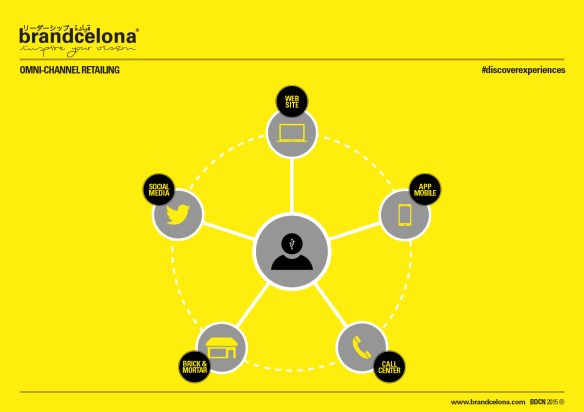
The future of shopping can be summarized in one word: diversity. Our digitally connected society demands a new and interactive shopping experience. As a result, retailers are working towards offering their customers as varied purchasing possibilities as there has ever been.

In the old days, the brick-and-mortar stores were the only touch point that the retailer had with the users. This represented the single-channel retailing. Later, advertising agencies started creating promotional materials and media campaigns to attract clientele. Nowadays, web and e-commerce sites and mobile applications are added to the list of retailing channels and all of them have to be consistent in appearance, design or conveyed message, among others. This could be described as a multi-channel approach; however, those multiple channels are disconnected.

This is where the omni-channel method steps in. It represents the ultimate customers’ wish: a totally seamless and integrated shopping experience. They can now transition effortlessly between channels. A buyer can make an online purchase, get it delivered at home, share it on social media via a mobile app and then exchange or refund it at a brick-and-mortar store. All the channels are linked and customers get the complete brand experience combining all the different online and offline platforms. Users aren’t loyal to a single channel, they prefer interacting at different levels. Consumers are constantly in the channel and don’t differentiate between platforms.

Products and services in perfect symbiosis: the main goal for retailers is to offer all possible services on all possible platforms, the more than appealing idea to gain access to products 24/7, anywhere, anytime. This creates more challenges in terms of logistics and brand adaptability, thus retailers have to implement new technology programs, manage the connections between overlapping channels and create a coherent brand image through all platforms and touch points.

Constantly new devices are being developed to enrich the shopping experience even more. The list of technological gadgets includes RFID tags, which wirelessly transfer data, and carry information about the objects that are attached to; and beacons, wireless Bluetooth-operating sensors, which offer personalized information to users based on the data stored in the devices. Such intangible extensions are bringing customers and brand even closer.

In order to successfully implement the omni-channel method, retail companies have to think like the users: observe how people are interacting with the brand and which channels make their shopping experience easier and more enjoyable. By tracking, measuring and analyzing all touch points together, the retailers can gather useful data and feedback from the users, what, after all, is of great importance. By offering them a full and consistent brand experience on all levels, brands are, without a doubt, set on the path of commercial success and customer fidelity.

Brandcelona wants to share its know-how focused on retail, as Barcelona has managed to do the same with its people and visitors. Through its essence, Brandcelona can advise you on the most important elements to design a great user experience on your brand. Do not hesitate to contact us at info@brandcelona.com.

—-

El futuro de las compras puede resumirse en una sola palabra: diversidad. Nuestra sociedad vive conectada digitalmente y, por ello, exige una experiencia de compra novedosa e interactiva. Como resultado, los retailers se esfuerzan en ofrecer a sus clientes posibilidades de compra más diversas que nunca.

Antiguamente, las tiendas físicas (de ladrillo y mortero) eran el único punto de contacto que el retailer tenía con los usuarios, y eso se conocía como retail monocanal. Más tarde, las agencias de publicidad comenzaron a crear material de promoción y campañas en los medios para atraer más clientela. Hoy en día, los sitios web y de comercio electrónico y las aplicaciones móviles se han agregado a la lista de canales de retail, de manera que todos ellos tienen que ser coherentes en apariencia, diseño o mensaje transmitido, entre otros, lo cual podría describirse como enfoque multi-canal, a pesar de que los múltiples canales están desconectados.

Y aquí es cuando entra en escena el método del retailing omni-canal, el cual representa el máximo deseo de los clientes: una experiencia de compra totalmente transparente e integrada. Éstos ya pueden hacer una transición sin esfuerzos entre los canales. Un comprador puede hacer una compra online, recibirla en casa, compartirla en las redes sociales a través de una aplicación móvil y luego cambiar o reembolsarla en una tienda física. Todos los canales están vinculados y los clientes obtienen la experiencia de marca completa, combinando las diferentes plataformas online y offline. Los usuarios no son leales a un solo canal, prefieren interactuar en diferentes niveles. Los consumidores están constantemente en el canal y no distinguen entre plataformas.

Productos y servicios en perfecta simbiosis: el objetivo principal para los retailers es ofrecer todos los servicios posibles en el máximo de plataformas, la más que atractiva idea de obtener acceso a los productos 24/7, en cualquier lugar y en cualquier momento. Esto crea más problemas en cuanto a la logística y la capacidad de adaptación de la marca, por lo que los retailers tienen que implementar nuevos programas tecnológicos, gestionar las conexiones entre canales superpuestos y crear una imagen de marca coherente a través de todas las plataformas y puntos de contacto.

Nuevos dispositivos se están desarrollando constantemente para hacer que la experiencia de compra sea más enriquecedora. La lista de gadgets tecnológicos incluye desde etiquetas RFID que transfieren datos de forma inalámbrica y contienen información de los objetos en los que se encuentran, hasta beacons, sensores con operación Bluetooth, que ofrecen información personalizada a los usuarios a partir de una base de datos almacenados en los dispositivos. Tales extensiones intangibles acercan a los clientes a la marca aún más.

Con el fin de implementar con éxito el método omnicanal, las empresas de retail tienen que pensar como los usuarios: observar cómo las personas interactúan con la marca y ver cuáles son los canales que hacen que su experiencia de compra sea más fácil y agradable. Mediante el seguimiento, medición y análisis de todos los puntos de contacto a la vez, los retailers pueden obtener datos útiles y feedback de los clientes, cosa que, al fin y al cabo, es muy importante y de gran ayuda. Si se ofrece una experiencia de marca coherente y completa en todos los niveles, las marcas estarán, sin duda alguna, situadas en el camino del éxito comercial y de la fidelidad de los usuarios.

Brandcelona® quiere compartir este conocimiento a través del retail, tal y como Barcelona ha sabido hacerlo con su gente y sus visitantes. Así, a través de su esencia, te puede asesorar sobre los aspectos más destacados para diseñar una excelente experiencia de usuario sobre tu marca. No dudes en contactarnos en info@brandcelona.com.

brandcelona Retail Experience: Bogota

IMG_2122 retocada

IMG_2209 retocada

IMG_2522

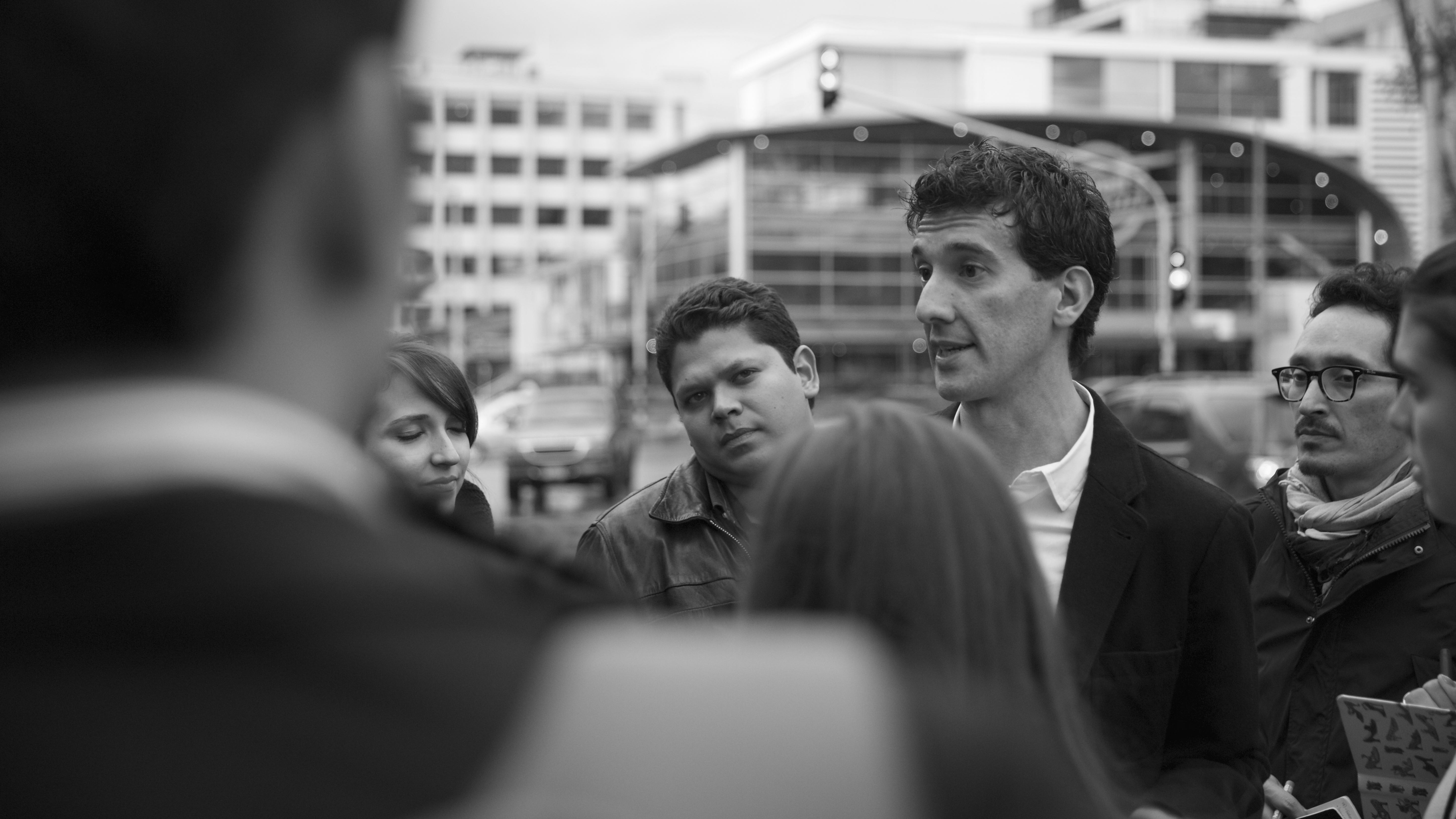
We are proud to announce that we added one more city to our worldwide coverage map, Bogota. Last November Marc Guitart on behalf of brandcelona had the pleasure of carrying out a retail tour and a Service Design workshop in the Colombian capital. The event was organized through the ATOM Design educational platform and was focused on entrepreneurs, businessmen and start-ups. The retail tour was followed by a session of Personal Advisory under the motto of Growing Up Together offering personal consultancy solutions for each one of the participating professionals and companies.

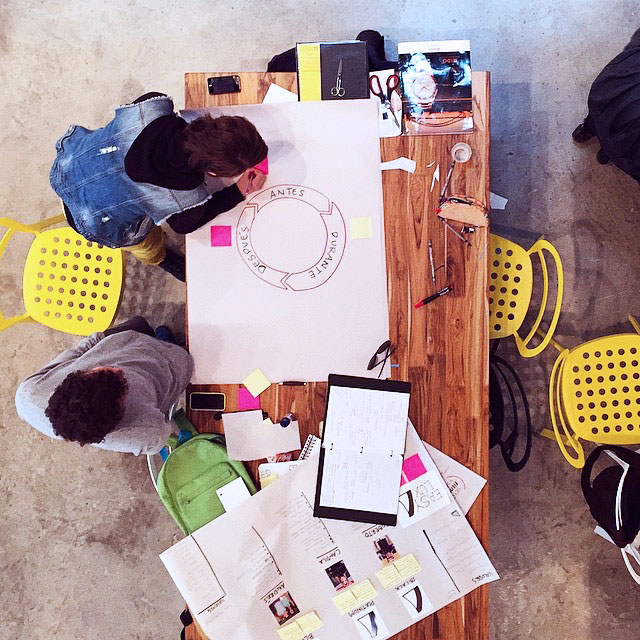
In the Service Design workshop a group of professionals from the design and retail industry worked on branding action methodologies and on how to apply a new service culture in the company going from notoriety to preference.

All of the organized events aimed to convey brandcelona’s design methodology highlighting the incorporation of branding as a crucial part of a company and a business evolution process.

We would like to thank again Santiago Restrepo, Assaf Wexler, Daniella Benedetti and all the other ATOM Design members for the great hospitality and professionalism during our stay in Colombia.

«¡Que te vaya bonito, Bogotá!»

— –

Estamos orgullosos de anunciar que hemos añadido una ciudad más a nuestro mapa de cobertura internacional, Bogotá. El pasado mes de noviembre brandcelona tuvo el placer de realizar de la mano de Marc Guitart un retail tour y un workshop en Service Design en la capital colombiana. El evento fue organizado a través de la plataforma educativa de ATOM Design, enfocado a emprendedores, empresarios y start-ups. El retail tour se siguió de una sesión de Asesoramiento Personal bajo el lema de «Creciendo Juntos» ofreciendo soluciones de consultoría personalizada para cada uno de los profesionales y empresas participantes.

En el taller de Service Design, un grupo de profesionales de la industria del diseño y el retail trabajó en metodologías de acciones de branding y en cómo aplicar una nueva cultura de servicios en la empresa pasando de la notoriedad a la preferencia.

Todos los eventos organizados estaban destinados a transmitir la metodología de diseño de brandcelona destacando la incorporación del branding como una parte crucial del proceso de evolución de la empresa y de los negocios.

Nos gustaría dar las gracias de nuevo a Santiago Restrepo, Assaf Wexler, Daniella Benedetti y a todos los demás miembros de ATOM Design por la gran hospitalidad y profesionalidad durante nuestra estancia en Colombia.

«¡Que te vaya bonito, Bogotá!»


Stories from Overseas I: Do It Yourself // Cuentos Ultramarinos I: Hágaselo Usted Mismo

banner_erocchi

For a better understanding and to complete all those elements linked to the brand experience that influence the buying process, we will count with the collaboration of experts that will introduce concepts that will improve our business development, from different disciplines and points of view. Today we are pleased to introduce a text of Elena Rocchi, architect, teaching artist and visiting faculty at the Herberger Institute of Design and the Arts.

I am right now on the other side of the Ocean. In my new Phoenician apartment there is a nightstand lamp with a dark wooden base, sculpted in the shape of an owl… I can’t remember when I bought it. Moreover, I bought a nightstand lamp, but I don’t have a nightstand. I do remember buying the lamp at an American Supercenter, an Artifact that gulps anyone against their will: an object created for a Performance that someone once had in mind, a projective object, not an objective one. I am currently living in a country of Artifacts that work on a subconscious level to persuade people to buy what they don’t really need; Artifacts, whose precedent is Walmart: the first Real Time tool for controlled shopping activation in a Supercenter. Walmart’s founder Sam Walton, a farmer’s son, brought change to commercial spaces in the 1960s, through two paradigms that he sensed while observing the retail industry: Discounts and Self-Service. Sam is a great observer and a data collector. Because of his understanding of the agricultural world and by flying many kilometers over the US in a small plane, flown by himself, he knows well how to milk places and how to sort collected data. Sam carefully analyses everything by observing everything from above and gets down in order to visit small retail spaces. There he senses what will change the future of commercial spaces: allow customers to Compare, allow them to Select the products on their own and Pay at the cashier.

Sam codifies at a large scale the Self-Service concept for Superstores, in whose interior design he doesn’t spend a single dollar: Sam Piles Up everything he Buys and then Sells it Cheaper. Its interior design is not about shop shelves; it is about more than that. According to IBM spies –the ones in charge of controlling sales and inventory in Real Time– it is about using a barcode positioning system. Sam’s spartan artifact, with big lights and wider than normal aisles, is designed to optimally display the discounts. I almost never see anything in supermarkets; however, I find everything there without much effort: everything is displayed according to an interior project called ‘Experience expansion’ to make you buy anything.

Wandering between Supercenters I find a Microcenter, a Micro Utopia that started while Sam Beger and Nick DiPastena were attending University. At a traffic light intersection, with a desert climate and early in the morning, a Micro Utopia starts because Nick’s cousin gave him an old coffee roaster as a present, which he called “the Dinosaur”. Nick and Sam, micro Utopians, call themselves fun artists. They ride a bike to work and carry their store on their backs. It takes them only 7 minutes to get there. They don’t need a plane, nor to travel many kilometers. An old tuned up bicycle is their store and their mean of transport, a portable and efficient Artifact they have built in three months like real industrial designers, without actually being one: Sam is a recent graduate in Anthropology and Nick is still in college studying Economics –just like Sam Walton–, both at the Arizona State University. They both know what waiting in line to buy a Regular Coffee before or after class means. They have turned need into virtue. For a year now, they park their Ready Made every day on the corner of East University Drive and South College Avenue at the Tempe Campus, where I am currently working. I pass by every day, after having parked my car, on my way to Herberger Institute for Design and the Arts. Sam and Nick work on the street, with big smiles on their faces, greeting me every morning. Their shop/bicycle opens every day of class early in the morning like Pandora’s box, and they offer Iced Toddies, a coffee for all ages. Every morning they steal customers from Starbucks, filling the transparent walky cups with coffee with ice, to beat the desert heat. Here, in Phoenix, it is always very hot. We wear our stillsuits just like the Fremen, who inhabit the desert planet Arrakis, do: straws inject any kind of liquid into our bodies to counteract unconscious and constant dehydration. Sam and Nick use nitrogen pressurized kegs to freshly serve toddy cold-brewed coffee –a blend of 1/3rd of coffee concentrate and 2/3rd of water– and to prevent coffee from oxidizing. The economist is in charge of preparing the coffee, while the anthropologist cools it down with a technique also used for beer. They have found the perfect idea for Arizona, soon to become the Mecca of iced coffee. It seems they have decided to offer a wider range of coffee with coffee from various countries for their Ready Made: Ethiopia, Sumatra, Guatemala and Cameroon.

Sam and Nick encourage us, designers, to play with things. They invite us to become nomadic across design frontiers. And, in a country where shopping is controlled by Supercenters, they actualize a little intervention: a Micro Utopia philosopher Francisco Jarauta likes. Little interventions are the ones that help us to overcome the aseptic aspects of design. Sam and Nick have built their model by trying to deal with today’s complexity through a Micro institution, a Microcenter. Besides me, that I observe them, there are no designers behind them. Them, like Nick says, they are only Funny Artists. Artists in the broadest sense of the Greek word, which refers to ‘people engaged in one or more of a broad spectrum of activities related to creating art (art), practicing the arts (design), and/or demonstrating an art (craft).’

Design is the art that emerges from the creation of something that will later be proved. That’s what Nick and Sam, two funny artists, say.

Should we start calling ourselves Artists instead of Designers? Isn’t it true that it is now time to get back to the beginning of all things and to the essence of all meanings? In the beginning it was the Art. Ars, ‘Order’ and Τέχνη, ‘techně’, the expert at producing a process. The Art of being a designer or not is based on order and experience. An Artist is, then, the one able to create an object thanks to knowing the rules for producing it. An Artist is not only a painter or a designer: an anthropologist and an economist can also become an Artist. Design nowadays is not only about creating what is more functional, but also about bearing in mind what model should be applied in one’s trip and being Generous in the intervention. Art demands utopian tension, the dimension that honors us. In my first article I spoke about the need of finding a temps suspendu: by studying Economics and Anthropology, Nick and Sam reflect on the model they should apply to their trip by means of art, to put their ideas in order at a crossroad, setting time with a traffic light, while selling coffee.

Whatever it is, Do It Yourself.

http://bluehousecoffee.tumblr.com/

http://www.bluehousecoffee.com/#!aboutus/c2414

If you buy a blue house bag, Nick and Sam will give you an artistic sticker. If you are an artist, you can send them your contact details so they can check your work.

—-

Para completar y entender mejor todos los elementos vinculados a la experiencia de marca que inciden en el proceso de compra, contaremos con la colaboración de expertos que nos irán introduciendo, desde distintas disciplinas y visiones, conceptos que nos ayudarán a construir mejor nuestro negocio. Hoy estamos encantados de presentaros un texto de Elena Rocchi, arquitecta, artista y profesora en el Herberger Institute of Design and the Arts.

Me encuentro al otro lado del Océano. En mi nuevo apartamento fenicio tengo una lámpara para mesita de noche con un pie de madera oscura, entallada en forma de búho… No me acuerdo del momento en el que la elegí. Es más. He comprado una lámpara de mesita de noche y no tengo mesita de noche. Compré la lámpara, de eso sí me acuerdo, en un Supercenter americano, un Artefacto que engulla a cualquiera contra su voluntad: un objeto configurado con vista a una Performance considerada con anterioridad por alguien, un objeto proyectivo y no objetivo. Vivo ahora en un país de Artefactos que trabajan con el subconsciente para que compres lo innecesario, Artefactos de los que Walmart es el precedente: el primer instrumento de activación de compra controlada en Real Time en un Supercenter. Sam Walton, hijo de agricultores, es su fundador y quien, en los años Sesenta, opera el cambio de los espacios comerciales, que hoy todos bien experimentamos, según dos paradigmas que él mismo intuye observando la venta al por menor: Descuentos y Autoservicio. Sam es un gran observador y coleccionista de datos: por su comprensión del mundo agrícola, sabe cómo ordeñar lugares y ordenar datos acumulados, viajando cientos de kilómetros sobre Estados Unidos en un avión pequeño que él mismo pilota. Observándolo todo de manera general desde arriba, Sam de vez en cuando baja a lugares para observar los pequeños locales de venta al por menor. Su análisis riguroso le hace intuir el dato que cambiará el futuro de los espacios comerciales: el de permitir a los clientes Comparar, Seleccionar en solitario los productos en los estantes y Pagar en caja.

Sam codifica a gran escala el concepto de Autoservicio para Supertiendas en cuyo interiorismo y decoración no gasta ni un dólar: Sam Apila todo lo que Compra y lo Vende más Barato. Su diseño de interiores no son las estanterías. Es algo más, que depende de la lógica de lo colocado según lo que informan las espías IBM, las que controlan la venta y el inventario en Real Time: el sistema de códigos de barra. El artefacto espartano de Sam, de grandes luces y con pasillos más anchos de lo normal, está pensado para poner en movimiento la Performance de ver mejor los ahorros. Yo que casi no veo nunca nada, allí lo encuentro todo sin mucho esfuerzo: todo está dispuesto según un proyecto de interiores llamado “Expansión de la Experiencia” para que compres lo que sea.

Navegando entre un Supercenter y otro, descubro un Microcenter, una Micro Utopía que arranca mientras Sam Beger y Nick DiPastena atienden la Universidad. En un cruce de semáforo, en un clima desértico y pronto por la mañana, una Micro Utopía arranca porque a Nick su primo le regala una vieja tostadora de café que él llama “el Dinosaurio”. Nick y Sam, micro Utópicos, se definen a sí mismos fun artists. Artistas divertidos. Van a trabajar en bicicleta y con la tienda a cuestas. Tardan solamente 7 minutos en llegar. No necesitan ni un avión ni cientos de kilómetros. Una vieja bicicleta tuneada es su tienda y su medio de transporte, un Artefacto transportable y eficiente que han construido en tres meses como verdaderos diseñadores industriales, sin que lo sean: Sam es recién graduado en Antropología y Nick esta todavía estudiando, como Sam Walton, Económicas, ambos en la Arizona State University. Los dos saben lo que significa esperar en la cola para comprar un Regular Coffee antes o después de clase. De necesidad han hecho virtud. Aparcan su Ready Made cada día, desde hace un año, en la esquina East University Drive y South College Avenue en el Campus en Tempe, donde trabajo. Paso cada día por allí, después de haber aparcado mi coche, de camino hacia el Herberger Institute for Design and the Arts. Sam y Nick trabajan en la calle, con una gran sonrisa que me saluda cada mañana. Su tienda/bicicleta se abre como una caja de Pandora todas las mañanas del Campus, pronto, y distribuye el Iced Toddy, un café para todas las edades. Cada mañana le roban clientes a Starbucks que llena los walky cups transparentes de café con hielo por el calor que hace en el desierto. Aquí, en Phoenix, hace calor siempre. Nos enchufamos como los Fremen de Arrakis a nuestro destiltraje: tubos de pajillas que nos inyectan cualquier tipo de líquido para compensar nuestra deshidratación inconsciente y constante. Sam y Nick inyectan cold-brewed coffee “Toddificado”, una mezcla hecha de 1/3 de concentrado de café y 2/3 de agua y sacado de granos frescos, usando barriletes presurizados al nitrógeno que evitan al café oxidarse. El economista es el que sabe hacer el café, mientras el antropólogo lo enfría con una técnica similar a la de la cerveza. Han dado con la idea perfecta para este lugar del mundo, Arizona, que muy pronto será la Meca del café helado. Parece que se han decidido a ampliar el Ready Made para ampliar la oferta geográfica de café: Etiopía, Sumatra, Guatemala y Camerún.

Jugar entre cosas parece el camino que nos proponen Sam y Nick a nosotros los diseñadores. Nos invitan a ser nómadas entre las fronteras del diseño. Y en un país que controla las compras a través de los Supercenters, ponen en acto una little intervención: una Micro Utopía de las que les gustan al filósofo Francisco Jarauta. Son las pequeñas intervenciones las que nos salvan de lo aséptico del diseño. Sam y Nick han construido su modelo a través del tentativo de administrar la complejidad de esta época según una institución Micro, un Microcenter. Detrás de ellos no hay un diseñador, a parte de mí que los observo. Ellos, como dice Nick, son sólo Artistas Divertidos. Artistas pero en el amplio sentido del término Griego, el que se refiere a “unas personas involucradas en una o más actividades de un amplio espectro de actividades relacionadas con la creación del arte (art), la práctica del arte (design) y la demostración del arte (craft)”.

El Design es la práctica consecuente de la creación de algo que será demostrado. Eso nos dicen Nick y Sam, dos artistas divertidos.

¿Será que debemos empezar a llamarnos Artistas en lugar de Diseñadores? ¿Será que son estas unas épocas para volver al principio de las cosas y a la esencia de los significados? En un principio fue el Arte. Ars, “Ordenar”, y Τέχνη, “techně”, el ser experto en la producción de un proceso. De orden y de experiencia trata el Arte, que seamos diseñadores o no. Son Artistas entonces los que tienen la capacidad de hacer algún objeto, por conocer las reglas de cómo hacerlo. No son sólo pintores o diseñadores: son también antropólogos y economistas. El Design hoy en día no trata sólo de hacer aquello que sea más funcional, sino también de pensar en qué modelo uno aplica a su viaje y de ser Generoso en la intervención. Arte revindica la tensión utópica, la dimensión que nos da dignidad. En mi primer artículo hablaba de la necesidad de encontrar un tiempo suspendido: Estudiando Económicas y Antropología Nick y Sam reflexionan para ver cuál es el modelo que aplican a su viaje a través del arte, para ordenar sus ideas en un cruce de calles y con la tranquilidad del tiempo marcado por un semáforo, vendiendo café.

Sea lo que Usted sea, hágaselo Usted Mismo.

http://bluehousecoffee.tumblr.com/

http://www.bluehousecoffee.com/#!aboutus/c2414

Si les compráis una blue house bag, Nick y Sam os regalan una pegatina artística. Si sois artistas, les podéis enviar vuestro contacto para que miren vuestro trabajo.

Elena Rocchi

Wow effect of Warby Parker

large_warby-parker-new-store-fresh-collection-shelves_WOW

warby_WOWwarbyparker3-1_R

The Wow Effect is the reaction that produces a space, where we live a unique and memorable brand experience. It’s an emotional rush that invades your senses and makes you want to return there.

Who & Where: Warby Parker at 121 Greene Street in New York, Los Angeles and Boston. www.warbyparker.com

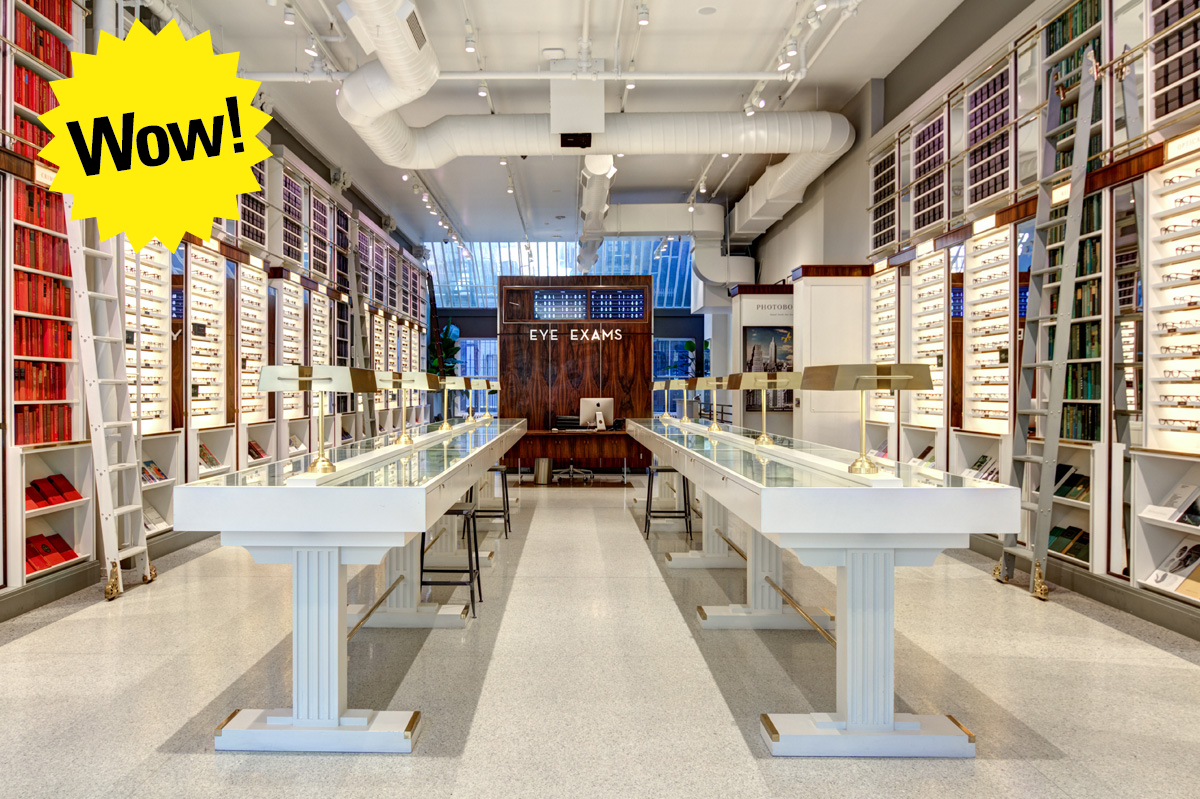
About its products and services: Warby Parker was launched in 2010 by a quartet of students who met at The Wharton School. Their goal was to create an alternative to expensive glasses; they wanted to found a company that could offer designer eyewear at a revolutionary price. And so they did. Through a combination of good product design and a deep commitment to user experience, Warby Parker has managed in four years to build a company that offers glasses with distinctive style at an affordable price. Warby Parker’s founders believe that buying glasses should be easy and fun and should leave you happy and good-looking, with money in your pocket. They also believe that everyone has the right to see: “Buy a pair, give a pair”, as they say; for every pair of glasses purchased, Warby Parker pays for the production of a pair of eyeglasses for a NGO.

How: Warby Parker designs glasses in-house and sells directly to customers in order to avoid retail markups. The company primarily sells eyewear online and through its stores in New York, Los Angeles and Boston and a limited number of showrooms located in boutiques through the United States. Its “Home-Try-On” program allows customers to choose five frames from the website, which they receive to try on at home for five days, free of charge. Customers can also upload a photo and try on frames virtually through “My virtual mirror”. And not only its website and customer service evokes a memorable experience on the user; its stores also present an elegant and care interior design, what makes it a model of differentiation.

Wow Effect: 9/10

—-

El efecto WOW es la reacción que nos produce un espacio en el que vivimos una experiencia de marca única y memorable. Es un ajetreo emocional que nos invade los sentidos y hace que queramos volver.

Quién y dónde: Warby Parker en el número 121 de Greene Street en la ciudad de New York, en Los Ángeles y en Boston. www.warbyparker.com

Sobre sus productos y servicios: la marca Warby Parker fue creada en 2010 por cuatro amigos de la Wharton School. Su objetivo era crear una alternativa a las gafas caras; querían fundar una empresa que ofreciera gafas de diseño a un precio revolucionario. Y así lo hicieron. Mediante una combinación de un buen diseño de producto y de un sólido compromiso con la experiencia de usuario, Warby Parker ha construido en cuatro años una empresa que ofrece gafas con un carácter diferenciador a un precio asequible. Los fundadores de Warby Parker creen en el hecho de que comprar gafas debería ser un ejercicio fácil, divertido, que deje satisfecho y con un buen look, pero también con dinero en el bolsillo. También creen que todos tenemos derecho a ver: “Compra un par, regala un par”, según dicen; para cada par de gafas comprado, Warby Parker colabora con la fabricación de unas gafas para una ONG.

Cómo: Warby Parker diseña sus propias gafas y las vende directamente al usuario con el fin de evitar los márgenes de intermediarios. La empresa vende principalmente de manera online y a través de sus tiendas en Nueva York, Los Ángeles y Boston y de un reducido número de showrooms en tiendas de Estados Unidos. Su programa “Home-Try-On” permite al usuario escoger cinco monturas de la web y recibirlas en casa para probarlas de manera gratuita durante cinco días. El cliente también puede subir una fotografía y probarse las gafas de manera virtual con “My virtual Mirror”. Y no sólo su web y su servicio al cliente provocan en él una experiencia memorable; sus tiendas presentan un diseño interior cuidado y elegante, lo que conforma un modelo de diferenciación.

Wow Effect: 9/10

Fuente imágenes // Image source: www.warbyparker.com

Duble Meze Bar

BDCN_Deniz-01

For a better understanding and to complete all those elements linked to the brand experience that influence the buying process, we will count with the collaboration of experts that will introduce concepts that will improve our business development, from different disciplines and points of view. Today we are pleased to introduce a text of Deniz Yavuz, interior architect and designer.

Once you have lived or spent time in Istanbul, you will probably go back to this city again, since you can explore new places every day. The city has hosted so many cultures throughout history and, no matter what culture you come from, you will definitely find something to do according to your mood, as the city offers a lot of diversity.

If you have been in Turkey before, you will probably know that ‘Taverns’ and ‘Raki’ own a significant place in the Turkish culture. Turkish people like to spend long hours and a pleasant time at the table with their loved ones, but, however, they try not to be full up: they usually drink ‘Raki’ with ‘Meze’, some small dishes like appetizers, similar to the Spanish ‘tapas’. So if we added to all this the beautiful Istanbul view and the singing of nostalgic Turkish songs together with the other guests, what could be a better atmosphere for a good night?

Located on the rooftop of the historical Palazzo Donizetti Hotel around Pera, Beyoğlu area, the Duble Meze Bar is the place where all these expectations meet exactly and it is also one of the best examples of ‘Modern Taverns’. In contrast with the other traditional Turkish taverns, the place has a minimal and very attractive interior. With the combination of spacious interior design, a beautiful view of Haliç (The Golden Horn) and a delicious menu, the result is obviously efficient.

For such kind of restaurants, the interior design, the menu or the location are just not enough to get successful results; the creators of the place are on top of everything going on inside. When you think about their positioning, you see that they have determined what is inadequate in this kind of places and that they have carefully chosen their target market. The location, the ambiance they offer and their public relations strategy reach exactly their target market. People mostly find Duble Meze Bar from influential blogs, articles or recommendations, as they don’t put big advertisements on newspapers. Their logo, menu and business cards also have a minimalistic and eye-catching design. Whenever you see them, you already have an idea about the interior ambiance and the brand’s promise, and that’s what one expects from the graphic applications of a brand.

Duble Meze Bar opened its doors a few months ago, but it already has a remarkable reputation among the many other famous restaurants in Istanbul. If they have achieved such success in a very short time, don’t you think that their business strategy must be right?

—-

Para completar y entender mejor todos los elementos vinculados a la experiencia de marca que inciden en el proceso de compra, contaremos con la colaboración de expertos que nos irán introduciendo, desde distintas disciplinas y visiones, conceptos que nos ayudarán a construir mejor nuestro negocio. Hoy estamos encantados de presentaros un texto de Deniz Yavuz, arquitecta y diseñadora de interiores.

Si has vivido o pasado tiempo en Estambul, es muy probable que vuelvas de nuevo a esta ciudad que cada día te sorprende con algo nuevo. La ciudad ha acogido muchas culturas diferentes a lo largo de la historia y, sin importar cuál sea la tuya, siempre encontrarás algo que se adapte a tu forma de ser gracias a su diversidad.

Si ya has estado en Turquía, probablemente sepas que las tabernas y el “Raki” juegan un papel muy importante en la cultura turca. A los turcos les gusta pasar largos y magníficos ratos en la mesa con sus seres queridos, pero esto no significa que coman abundantemente: suelen beber “Raki” acompañado de “Meze”, pequeños platos de entremeses similares a las tapas. Si a todo ello le sumamos la bonita vista de Estambul y el canto de nostálgicas canciones turcas junto a otros comensales, ¿qué más se puede pedir?

Situado en la azotea del histórico Hotel Palazzo Donizetti en el área de Pera, Beyoğlu, el Duble Meze Bar es el sitio donde todo esto confluye y uno de los mejores ejemplos de taberna moderna. En contraste con el resto de tradicionales tabernas turcas, este lugar goza de un interior minimalista y atractivo. Con la combinación de un diseño interior espacioso, una bonita vista del Haliç (el Cuerno de Oro) y un delicioso menú, el resultado es obviamente eficiente.

Para este tipo de restaurantes, el diseño interior, el menú o su localización no son suficientes para el éxito; los creadores de este sitio tienen bajo control cada detalle de lo que sucede dentro. Cuando nos fijamos en el posicionamiento, detectamos que partiendo de lo que se considera inadecuado para estos restaurantes, se elige cuidadosamente el público objetivo. El lugar, el ambiente y la estrategia de relaciones públicas están perfectamente dirigidas a su target. El Duble Meze Bar no se anuncia en periódicos, y es por ello que la gente suele conocerlo ya sea por influyentes blogs, artículos o incluso por recomendaciones de terceros. Su logo, el menú y sus tarjetas corporativas también muestran un diseño minimalista y atractivo, que proporcionan una idea del ambiente interior y de la promesa de marca, algo que la aplicación gráfica de una marca siempre debería comunicar.

El Duble Meze Bar abrió sus puertas hace tan sólo unos meses, y ya cuenta con una increíble reputación entre los muchos otros restaurantes famosos de Estambul. Si en tan poco tiempo ha conseguido este éxito, ¿no creéis que su estrategia de negocio debe ser buena?

Deniz Yavuz

duble-gurme-meze-bar galeri2 galeri4


Brandscaping

brandscapingblog

Brandscaping is an urban phenomenon that lies in brands creating a landscape. By looking at this landscape you are given a perception of the area, often without being aware of it.

Brandscaping plays a big role when it comes to a perception of an area. Take for instance the two Barcelona areas Passeig de Gràcia and Gràcia. Two areas with similar names, but with different brandscapes, both when it comes to brands and consumers, but also to the perceptions each area has. Walking around in the artistic and alternative Gràcia, you would find young carefree and artistic people and the stores would reflect this, creating a brandscape being very different from the trendy and high end area Passeig de Gràcia. In this area you would not only see a landscape of exclusive and high-end brands but also the people browsing around this area would be different from the people you would see in Gràcia.

Another aspect of the Brandscaping phenomenon is that an area can sometimes change from having one particular landscape of brands until a completely different landscape. This usually happens when an area goes through an urban renewal, which is when a neighborhood or area is improved by reconstruction of housing and architecture and when new business, like small cafes, get implemented in the area. An area or neighborhood often goes through this transmission in order to persuade other social groups to move to the area and change the perception of it into something better. This also shows that brandscaping is not only about brands, it is also about including location, architecture and interior design to create a particular atmosphere and to shape the area.

Brandscaping gives the retailers the possibility to position their business where it will be most beneficial and where the business would be able to form the perception of the brand, as it would like to be perceived from the users.

Brandcelona wants to share its know-how in “Brandscaping” focused on retail, as Barcelona has managed to do the same with its people and visitors. Through its essence, Brandcelona can advise you on the most important elements to design a great user experience on your brand. Do not hesitate to contact us at info@brandcelona.com.

—-

El brandscaping es un fenómeno urbano que consiste en crear un paisaje a través de las marcas y, como consecuencia, percibir una determinada imagen del lugar, a menudo sin ser conscientes de ello.

El brandscaping juega un papel muy importante en cuanto a la imagen que percibimos de una determinada área. Tomemos como ejemplo el Passeig de Gràcia y el barrio de Gràcia: dos zonas con nombres similares, pero con brandscapes muy diferentes, tanto a nivel de marcas y de perfil de consumidor, como en la imagen percibida de cada una de ellas. Si nos adentramos en el alternativo barrio de Gràcia, encontraremos a jóvenes artistas con un look desenfadado, hecho que a su vez se verá reflejado en la tipología de comercios que conforma este barrio, y que creará un brandscape totalmente distinto al del lujoso y moderno Passeig de Gràcia. En esta última zona, en cambio, encontraremos un paisaje lleno de exclusivas marcas y un perfil de consumidor que diverge totalmente del de Gràcia.

Otro aspecto del fenómeno brandscaping es la posibilidad de convertir un paisaje de marcas en otro completamente distinto. Este hecho puede darse mediante la renovación urbana, es decir, la mejora y la reconstrucción de edificios y de la arquitectura, además de la incorporación de nuevas tiendas y negocios, tales como pequeñas cafeterías. El motivo de un cambio como éste radica en el intento de persuadir a otros grupos sociales para que se muden a la zona renovada, y así mejorar la imagen de ésta. Este hecho demuestra que el brandscaping no sólo está relacionado con las marcas, sino que se ve también influenciado por la ubicación, la arquitectura y el diseño, con el fin de potenciar y crear un determinado ambiente y dar forma a la zona.

A través del brandscaping, los retailers tienen la posibilidad de posicionar su negocio en el sitio más beneficioso donde poder formar y proporcionar la percepción de marca deseada a usuarios.

Brandcelona® quiere compartir este conocimiento de «Brandscaping” a través del retail, tal y como Barcelona ha sabido hacerlo con su gente y sus visitantes. Así, a través de su esencia, te puede asesorar sobre los aspectos más destacados para diseñar una excelente experiencia de usuario sobre tu marca. No dudes en contactarnos en info@brandcelona.com.

The Great Gatsby Fever! // ¡La fiebre de “El Gran Gatsby”!

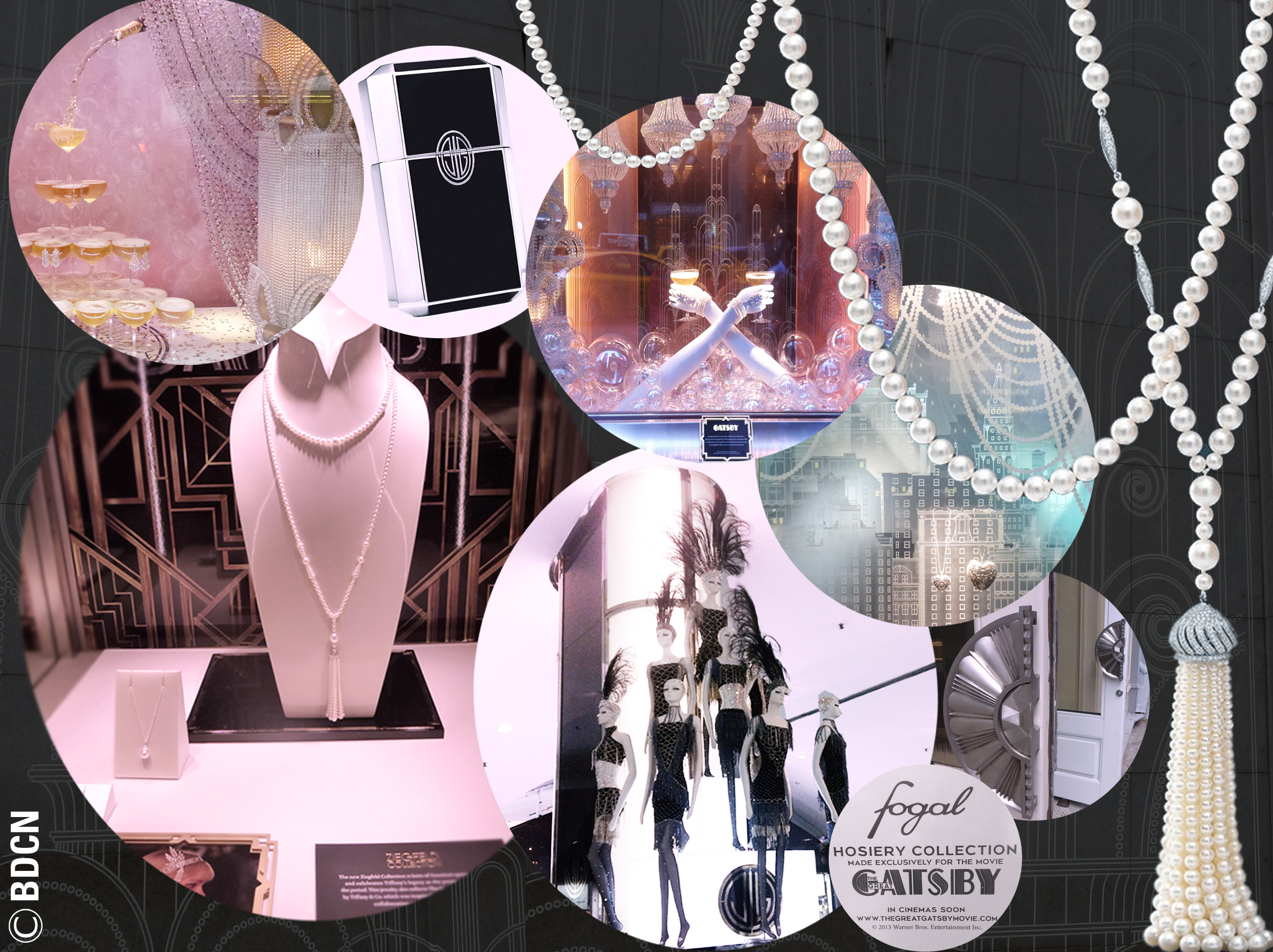
GreatgatsbyblogInspired by the movie The Great Gatsby, stores are harking back to the roaring twenties and glamour days of F. Scott Fitzgerald and customers are embracing it.

On our recent retail tours in London and New York you could feel the incredible Great Gatsby atmosphere all over town. Stores, hotels, restaurants and bars, all trying to outdo one another by creating a Gatsby universe and using the big interest as an effective advertising strategy.

When we visited one of the most famous department stores Harrods in London, the mall had went all out for the Great Gatsby theme and when walking in, you couldn´t help noticing that all the main decor was inspired by the movie. When strolling around Harrods you could admire the different shop windows, that all had a Great Gatsby feeling to them, truly a great and fun shopping experience.

Liberty, another important department store in London, also got inspired by the atmosphere, creating their own Gatsby vintage universe and selling such exclusive vintage dresses and accessories, that most people can only dream of.

On the retail tour in New York, stepping into the Tiffany’s store –which is the provider of all the jewelry for the movie–, you felt like entering an inspiring Gatsby universe. While browsing around, you could enjoy the Gatsby glamour, with glorious colors and dazzling accessories, leaving nothing left to chance.

Fogal, an exclusive brand making fine legwear and the Brooks Brothers, which is a legendary tailoring brand, had also joined the Gatsby universe, by both making an exclusively limited collection all inspired by the movie. Both stores got all the attention just by adding a simple sticker to their shop windows, instead of going all in on the interior advertising like other stores.

Combining and using the big interest from the customers about a current event and theme like the Great Gatsby, your business can draw customers’ attention and make your store stand out from the rest. However, knowing how to draw customer’s attention or keeping up with upcoming and current trends, themes and events might be a challenge on your own.

On one of our brandcelona® retail tours, you are given the opportunity to experience and face the upcoming and new markets and trends within retail and brand positioning. A retail tour might be the next step to find inspiration and explore what possibilities your business can achieve, within customers needs, interests and shopping experience in the future.

Book a retail tour here and inspire your vision.

—-

Inspiradas por la película de “El Gran Gatsby”, muchas tiendas han querido recordar estos días la década de los locos años veinte y de los glamurosos días de F.Scott Fitzgerald, hecho que está teniendo muy buena acogida entre los usuarios. En los últimos retail tours de brandcelona® en las ciudades de Londres y Nueva York, pudimos palpar el increíble ambiente motivado por “El Gran Gatsby” en ambas ciudades: tiendas, hoteles, restaurantes y bares intendándose superar, creando un universo Gatsby y aprovechando el interés suscitado como una estrategia publicitaria efectiva.

En una de las visitas al famoso Harrods de Londres, el centro comercial presentaba un interiorismo fácilmente identificable y totalmente entregado a la temática de “El Gran Gatsby”. Los diferentes escaparates impregnados de la película convertían el paseo en una gran experiencia, además de divertida.

A su vez, Liberty, otro importante centro comercial de Londres, también quiso recrear el ambiente de “El Gran Gatsby” creando su propio universo vintage, y poniendo a la venta vestidos y accesorios de los años veinte tan exclusivos que tan sólo sería posible soñar con ellos.

En el retail tour de Nueva York, Tiffany&Co (marca elegida para diseñar las joyas de la película) sumergía a los visitantes en un universo Gatsby lleno de glamour, espectaculares colores y deslumbrantes joyas, sin olvidar el más mínimo detalle.

Fogal, una exclusiva marca de pantys, medias y ligueros, y Brooks Brothers, una legendaria marca de sastrería, también se unieron al universo Gatsby con una exclusiva colección limitada inspirada en la película. A diferencia de la decoración publicitaria interior por la que optaron otras tiendas, Fogal y Brook Brothers prefirieron publicitar su contribución en “El Gran Gatsby” con un sencillo vinilo en su escaparate.

Aprovechando el gran interés que una temática como “El Gran Gastby” despierta en los usuarios, se presenta una oportunidad para tu negocio para atraer a los clientes, y, a su vez, destacar entre el resto de negocios. Ello no obstante, saber cómo hacerlo o conocer lo último en tendencias, temáticas y eventos es un reto difícil de alcanzar sin ayuda.

En un retail tour de brandcelona® tienes la oportunidad de experimentar y afrontar las futuras tendencias y los nuevos mercados en materia de retail y posicionamiento de marca. Un retail tour es el siguiente paso para inspirarse y explorar qué posibilidades puede alcanzar tu negocio en el futuro, en el marco de las necesidades del usuario, sus intereses y su shopping experience.

Reserva un retail tour aquí e inspira tu visión de negocio.