Stories from Overseas I: Do It Yourself // Cuentos Ultramarinos I: Hágaselo Usted Mismo

banner_erocchi

For a better understanding and to complete all those elements linked to the brand experience that influence the buying process, we will count with the collaboration of experts that will introduce concepts that will improve our business development, from different disciplines and points of view. Today we are pleased to introduce a text of Elena Rocchi, architect, teaching artist and visiting faculty at the Herberger Institute of Design and the Arts.

I am right now on the other side of the Ocean. In my new Phoenician apartment there is a nightstand lamp with a dark wooden base, sculpted in the shape of an owl… I can’t remember when I bought it. Moreover, I bought a nightstand lamp, but I don’t have a nightstand. I do remember buying the lamp at an American Supercenter, an Artifact that gulps anyone against their will: an object created for a Performance that someone once had in mind, a projective object, not an objective one. I am currently living in a country of Artifacts that work on a subconscious level to persuade people to buy what they don’t really need; Artifacts, whose precedent is Walmart: the first Real Time tool for controlled shopping activation in a Supercenter. Walmart’s founder Sam Walton, a farmer’s son, brought change to commercial spaces in the 1960s, through two paradigms that he sensed while observing the retail industry: Discounts and Self-Service. Sam is a great observer and a data collector. Because of his understanding of the agricultural world and by flying many kilometers over the US in a small plane, flown by himself, he knows well how to milk places and how to sort collected data. Sam carefully analyses everything by observing everything from above and gets down in order to visit small retail spaces. There he senses what will change the future of commercial spaces: allow customers to Compare, allow them to Select the products on their own and Pay at the cashier.

Sam codifies at a large scale the Self-Service concept for Superstores, in whose interior design he doesn’t spend a single dollar: Sam Piles Up everything he Buys and then Sells it Cheaper. Its interior design is not about shop shelves; it is about more than that. According to IBM spies –the ones in charge of controlling sales and inventory in Real Time– it is about using a barcode positioning system. Sam’s spartan artifact, with big lights and wider than normal aisles, is designed to optimally display the discounts. I almost never see anything in supermarkets; however, I find everything there without much effort: everything is displayed according to an interior project called ‘Experience expansion’ to make you buy anything.

Wandering between Supercenters I find a Microcenter, a Micro Utopia that started while Sam Beger and Nick DiPastena were attending University. At a traffic light intersection, with a desert climate and early in the morning, a Micro Utopia starts because Nick’s cousin gave him an old coffee roaster as a present, which he called “the Dinosaur”. Nick and Sam, micro Utopians, call themselves fun artists. They ride a bike to work and carry their store on their backs. It takes them only 7 minutes to get there. They don’t need a plane, nor to travel many kilometers. An old tuned up bicycle is their store and their mean of transport, a portable and efficient Artifact they have built in three months like real industrial designers, without actually being one: Sam is a recent graduate in Anthropology and Nick is still in college studying Economics –just like Sam Walton–, both at the Arizona State University. They both know what waiting in line to buy a Regular Coffee before or after class means. They have turned need into virtue. For a year now, they park their Ready Made every day on the corner of East University Drive and South College Avenue at the Tempe Campus, where I am currently working. I pass by every day, after having parked my car, on my way to Herberger Institute for Design and the Arts. Sam and Nick work on the street, with big smiles on their faces, greeting me every morning. Their shop/bicycle opens every day of class early in the morning like Pandora’s box, and they offer Iced Toddies, a coffee for all ages. Every morning they steal customers from Starbucks, filling the transparent walky cups with coffee with ice, to beat the desert heat. Here, in Phoenix, it is always very hot. We wear our stillsuits just like the Fremen, who inhabit the desert planet Arrakis, do: straws inject any kind of liquid into our bodies to counteract unconscious and constant dehydration. Sam and Nick use nitrogen pressurized kegs to freshly serve toddy cold-brewed coffee –a blend of 1/3rd of coffee concentrate and 2/3rd of water– and to prevent coffee from oxidizing. The economist is in charge of preparing the coffee, while the anthropologist cools it down with a technique also used for beer. They have found the perfect idea for Arizona, soon to become the Mecca of iced coffee. It seems they have decided to offer a wider range of coffee with coffee from various countries for their Ready Made: Ethiopia, Sumatra, Guatemala and Cameroon.

Sam and Nick encourage us, designers, to play with things. They invite us to become nomadic across design frontiers. And, in a country where shopping is controlled by Supercenters, they actualize a little intervention: a Micro Utopia philosopher Francisco Jarauta likes. Little interventions are the ones that help us to overcome the aseptic aspects of design. Sam and Nick have built their model by trying to deal with today’s complexity through a Micro institution, a Microcenter. Besides me, that I observe them, there are no designers behind them. Them, like Nick says, they are only Funny Artists. Artists in the broadest sense of the Greek word, which refers to ‘people engaged in one or more of a broad spectrum of activities related to creating art (art), practicing the arts (design), and/or demonstrating an art (craft).’

Design is the art that emerges from the creation of something that will later be proved. That’s what Nick and Sam, two funny artists, say.

Should we start calling ourselves Artists instead of Designers? Isn’t it true that it is now time to get back to the beginning of all things and to the essence of all meanings? In the beginning it was the Art. Ars, ‘Order’ and Τέχνη, ‘techně’, the expert at producing a process. The Art of being a designer or not is based on order and experience. An Artist is, then, the one able to create an object thanks to knowing the rules for producing it. An Artist is not only a painter or a designer: an anthropologist and an economist can also become an Artist. Design nowadays is not only about creating what is more functional, but also about bearing in mind what model should be applied in one’s trip and being Generous in the intervention. Art demands utopian tension, the dimension that honors us. In my first article I spoke about the need of finding a temps suspendu: by studying Economics and Anthropology, Nick and Sam reflect on the model they should apply to their trip by means of art, to put their ideas in order at a crossroad, setting time with a traffic light, while selling coffee.

Whatever it is, Do It Yourself.

http://bluehousecoffee.tumblr.com/

http://www.bluehousecoffee.com/#!aboutus/c2414

If you buy a blue house bag, Nick and Sam will give you an artistic sticker. If you are an artist, you can send them your contact details so they can check your work.

—-

Para completar y entender mejor todos los elementos vinculados a la experiencia de marca que inciden en el proceso de compra, contaremos con la colaboración de expertos que nos irán introduciendo, desde distintas disciplinas y visiones, conceptos que nos ayudarán a construir mejor nuestro negocio. Hoy estamos encantados de presentaros un texto de Elena Rocchi, arquitecta, artista y profesora en el Herberger Institute of Design and the Arts.

Me encuentro al otro lado del Océano. En mi nuevo apartamento fenicio tengo una lámpara para mesita de noche con un pie de madera oscura, entallada en forma de búho… No me acuerdo del momento en el que la elegí. Es más. He comprado una lámpara de mesita de noche y no tengo mesita de noche. Compré la lámpara, de eso sí me acuerdo, en un Supercenter americano, un Artefacto que engulla a cualquiera contra su voluntad: un objeto configurado con vista a una Performance considerada con anterioridad por alguien, un objeto proyectivo y no objetivo. Vivo ahora en un país de Artefactos que trabajan con el subconsciente para que compres lo innecesario, Artefactos de los que Walmart es el precedente: el primer instrumento de activación de compra controlada en Real Time en un Supercenter. Sam Walton, hijo de agricultores, es su fundador y quien, en los años Sesenta, opera el cambio de los espacios comerciales, que hoy todos bien experimentamos, según dos paradigmas que él mismo intuye observando la venta al por menor: Descuentos y Autoservicio. Sam es un gran observador y coleccionista de datos: por su comprensión del mundo agrícola, sabe cómo ordeñar lugares y ordenar datos acumulados, viajando cientos de kilómetros sobre Estados Unidos en un avión pequeño que él mismo pilota. Observándolo todo de manera general desde arriba, Sam de vez en cuando baja a lugares para observar los pequeños locales de venta al por menor. Su análisis riguroso le hace intuir el dato que cambiará el futuro de los espacios comerciales: el de permitir a los clientes Comparar, Seleccionar en solitario los productos en los estantes y Pagar en caja.

Sam codifica a gran escala el concepto de Autoservicio para Supertiendas en cuyo interiorismo y decoración no gasta ni un dólar: Sam Apila todo lo que Compra y lo Vende más Barato. Su diseño de interiores no son las estanterías. Es algo más, que depende de la lógica de lo colocado según lo que informan las espías IBM, las que controlan la venta y el inventario en Real Time: el sistema de códigos de barra. El artefacto espartano de Sam, de grandes luces y con pasillos más anchos de lo normal, está pensado para poner en movimiento la Performance de ver mejor los ahorros. Yo que casi no veo nunca nada, allí lo encuentro todo sin mucho esfuerzo: todo está dispuesto según un proyecto de interiores llamado “Expansión de la Experiencia” para que compres lo que sea.

Navegando entre un Supercenter y otro, descubro un Microcenter, una Micro Utopía que arranca mientras Sam Beger y Nick DiPastena atienden la Universidad. En un cruce de semáforo, en un clima desértico y pronto por la mañana, una Micro Utopía arranca porque a Nick su primo le regala una vieja tostadora de café que él llama “el Dinosaurio”. Nick y Sam, micro Utópicos, se definen a sí mismos fun artists. Artistas divertidos. Van a trabajar en bicicleta y con la tienda a cuestas. Tardan solamente 7 minutos en llegar. No necesitan ni un avión ni cientos de kilómetros. Una vieja bicicleta tuneada es su tienda y su medio de transporte, un Artefacto transportable y eficiente que han construido en tres meses como verdaderos diseñadores industriales, sin que lo sean: Sam es recién graduado en Antropología y Nick esta todavía estudiando, como Sam Walton, Económicas, ambos en la Arizona State University. Los dos saben lo que significa esperar en la cola para comprar un Regular Coffee antes o después de clase. De necesidad han hecho virtud. Aparcan su Ready Made cada día, desde hace un año, en la esquina East University Drive y South College Avenue en el Campus en Tempe, donde trabajo. Paso cada día por allí, después de haber aparcado mi coche, de camino hacia el Herberger Institute for Design and the Arts. Sam y Nick trabajan en la calle, con una gran sonrisa que me saluda cada mañana. Su tienda/bicicleta se abre como una caja de Pandora todas las mañanas del Campus, pronto, y distribuye el Iced Toddy, un café para todas las edades. Cada mañana le roban clientes a Starbucks que llena los walky cups transparentes de café con hielo por el calor que hace en el desierto. Aquí, en Phoenix, hace calor siempre. Nos enchufamos como los Fremen de Arrakis a nuestro destiltraje: tubos de pajillas que nos inyectan cualquier tipo de líquido para compensar nuestra deshidratación inconsciente y constante. Sam y Nick inyectan cold-brewed coffee “Toddificado”, una mezcla hecha de 1/3 de concentrado de café y 2/3 de agua y sacado de granos frescos, usando barriletes presurizados al nitrógeno que evitan al café oxidarse. El economista es el que sabe hacer el café, mientras el antropólogo lo enfría con una técnica similar a la de la cerveza. Han dado con la idea perfecta para este lugar del mundo, Arizona, que muy pronto será la Meca del café helado. Parece que se han decidido a ampliar el Ready Made para ampliar la oferta geográfica de café: Etiopía, Sumatra, Guatemala y Camerún.

Jugar entre cosas parece el camino que nos proponen Sam y Nick a nosotros los diseñadores. Nos invitan a ser nómadas entre las fronteras del diseño. Y en un país que controla las compras a través de los Supercenters, ponen en acto una little intervención: una Micro Utopía de las que les gustan al filósofo Francisco Jarauta. Son las pequeñas intervenciones las que nos salvan de lo aséptico del diseño. Sam y Nick han construido su modelo a través del tentativo de administrar la complejidad de esta época según una institución Micro, un Microcenter. Detrás de ellos no hay un diseñador, a parte de mí que los observo. Ellos, como dice Nick, son sólo Artistas Divertidos. Artistas pero en el amplio sentido del término Griego, el que se refiere a “unas personas involucradas en una o más actividades de un amplio espectro de actividades relacionadas con la creación del arte (art), la práctica del arte (design) y la demostración del arte (craft)”.

El Design es la práctica consecuente de la creación de algo que será demostrado. Eso nos dicen Nick y Sam, dos artistas divertidos.

¿Será que debemos empezar a llamarnos Artistas en lugar de Diseñadores? ¿Será que son estas unas épocas para volver al principio de las cosas y a la esencia de los significados? En un principio fue el Arte. Ars, “Ordenar”, y Τέχνη, “techně”, el ser experto en la producción de un proceso. De orden y de experiencia trata el Arte, que seamos diseñadores o no. Son Artistas entonces los que tienen la capacidad de hacer algún objeto, por conocer las reglas de cómo hacerlo. No son sólo pintores o diseñadores: son también antropólogos y economistas. El Design hoy en día no trata sólo de hacer aquello que sea más funcional, sino también de pensar en qué modelo uno aplica a su viaje y de ser Generoso en la intervención. Arte revindica la tensión utópica, la dimensión que nos da dignidad. En mi primer artículo hablaba de la necesidad de encontrar un tiempo suspendido: Estudiando Económicas y Antropología Nick y Sam reflexionan para ver cuál es el modelo que aplican a su viaje a través del arte, para ordenar sus ideas en un cruce de calles y con la tranquilidad del tiempo marcado por un semáforo, vendiendo café.

Sea lo que Usted sea, hágaselo Usted Mismo.

http://bluehousecoffee.tumblr.com/

http://www.bluehousecoffee.com/#!aboutus/c2414

Si les compráis una blue house bag, Nick y Sam os regalan una pegatina artística. Si sois artistas, les podéis enviar vuestro contacto para que miren vuestro trabajo.

Elena Rocchi
Duble Meze Bar

BDCN_Deniz-01

For a better understanding and to complete all those elements linked to the brand experience that influence the buying process, we will count with the collaboration of experts that will introduce concepts that will improve our business development, from different disciplines and points of view. Today we are pleased to introduce a text of Deniz Yavuz, interior architect and designer.

Once you have lived or spent time in Istanbul, you will probably go back to this city again, since you can explore new places every day. The city has hosted so many cultures throughout history and, no matter what culture you come from, you will definitely find something to do according to your mood, as the city offers a lot of diversity.

If you have been in Turkey before, you will probably know that ‘Taverns’ and ‘Raki’ own a significant place in the Turkish culture. Turkish people like to spend long hours and a pleasant time at the table with their loved ones, but, however, they try not to be full up: they usually drink ‘Raki’ with ‘Meze’, some small dishes like appetizers, similar to the Spanish ‘tapas’. So if we added to all this the beautiful Istanbul view and the singing of nostalgic Turkish songs together with the other guests, what could be a better atmosphere for a good night?

Located on the rooftop of the historical Palazzo Donizetti Hotel around Pera, Beyoğlu area, the Duble Meze Bar is the place where all these expectations meet exactly and it is also one of the best examples of ‘Modern Taverns’. In contrast with the other traditional Turkish taverns, the place has a minimal and very attractive interior. With the combination of spacious interior design, a beautiful view of Haliç (The Golden Horn) and a delicious menu, the result is obviously efficient.

For such kind of restaurants, the interior design, the menu or the location are just not enough to get successful results; the creators of the place are on top of everything going on inside. When you think about their positioning, you see that they have determined what is inadequate in this kind of places and that they have carefully chosen their target market. The location, the ambiance they offer and their public relations strategy reach exactly their target market. People mostly find Duble Meze Bar from influential blogs, articles or recommendations, as they don’t put big advertisements on newspapers. Their logo, menu and business cards also have a minimalistic and eye-catching design. Whenever you see them, you already have an idea about the interior ambiance and the brand’s promise, and that’s what one expects from the graphic applications of a brand.

Duble Meze Bar opened its doors a few months ago, but it already has a remarkable reputation among the many other famous restaurants in Istanbul. If they have achieved such success in a very short time, don’t you think that their business strategy must be right?

—-

Para completar y entender mejor todos los elementos vinculados a la experiencia de marca que inciden en el proceso de compra, contaremos con la colaboración de expertos que nos irán introduciendo, desde distintas disciplinas y visiones, conceptos que nos ayudarán a construir mejor nuestro negocio. Hoy estamos encantados de presentaros un texto de Deniz Yavuz, arquitecta y diseñadora de interiores.

Si has vivido o pasado tiempo en Estambul, es muy probable que vuelvas de nuevo a esta ciudad que cada día te sorprende con algo nuevo. La ciudad ha acogido muchas culturas diferentes a lo largo de la historia y, sin importar cuál sea la tuya, siempre encontrarás algo que se adapte a tu forma de ser gracias a su diversidad.

Si ya has estado en Turquía, probablemente sepas que las tabernas y el “Raki” juegan un papel muy importante en la cultura turca. A los turcos les gusta pasar largos y magníficos ratos en la mesa con sus seres queridos, pero esto no significa que coman abundantemente: suelen beber “Raki” acompañado de “Meze”, pequeños platos de entremeses similares a las tapas. Si a todo ello le sumamos la bonita vista de Estambul y el canto de nostálgicas canciones turcas junto a otros comensales, ¿qué más se puede pedir?

Situado en la azotea del histórico Hotel Palazzo Donizetti en el área de Pera, Beyoğlu, el Duble Meze Bar es el sitio donde todo esto confluye y uno de los mejores ejemplos de taberna moderna. En contraste con el resto de tradicionales tabernas turcas, este lugar goza de un interior minimalista y atractivo. Con la combinación de un diseño interior espacioso, una bonita vista del Haliç (el Cuerno de Oro) y un delicioso menú, el resultado es obviamente eficiente.

Para este tipo de restaurantes, el diseño interior, el menú o su localización no son suficientes para el éxito; los creadores de este sitio tienen bajo control cada detalle de lo que sucede dentro. Cuando nos fijamos en el posicionamiento, detectamos que partiendo de lo que se considera inadecuado para estos restaurantes, se elige cuidadosamente el público objetivo. El lugar, el ambiente y la estrategia de relaciones públicas están perfectamente dirigidas a su target. El Duble Meze Bar no se anuncia en periódicos, y es por ello que la gente suele conocerlo ya sea por influyentes blogs, artículos o incluso por recomendaciones de terceros. Su logo, el menú y sus tarjetas corporativas también muestran un diseño minimalista y atractivo, que proporcionan una idea del ambiente interior y de la promesa de marca, algo que la aplicación gráfica de una marca siempre debería comunicar.

El Duble Meze Bar abrió sus puertas hace tan sólo unos meses, y ya cuenta con una increíble reputación entre los muchos otros restaurantes famosos de Estambul. Si en tan poco tiempo ha conseguido este éxito, ¿no creéis que su estrategia de negocio debe ser buena?

Deniz Yavuz

duble-gurme-meze-bar galeri2 galeri4


Ziferblat: a café against the clock // Ziferblat: un café contrarreloj

ziferblat-cafe-london-2

Fuente // Source: http://www.businessinsider.com

ziferblat3

Fuente // Source: http://www.standard.co.uk

ziferblat-cafe-london

Fuente // Source: http://www.businessinsider.com

‘Everything is free, except your time’. This could be Ziferblat’s leit-motiv, a new business concept born in Russia, which has recently opened its first UK branch in London. Located in 388 Old Street, Ziferblat is the brainchild of founder Ivan Meetin, who launched the idea in Russia two years ago and has opened ten branches since then.

Collecting an alarm when entering the café, guests may use the space as they wish: sitting and relaxing, surfing the web, having as many drinks as they want, preparing and having food, playing the piano, attending events and much more. Once visitors have enjoyed as much as they want, their Ziferblat –clockface in Russian– is used to calculate their bill for the day: 5 pence per minute or £1.80 an hour. Free donations are also welcome.

What first started as a social experiment, has now become a unique and successful business model. Ziferblat is thriving and expanding. Next stop: New York.

On one of our brandcelona® retail tours, you are given the opportunity to experience and face the upcoming and new markets and trends within retail and brand positioning. A retail tour might be the next step to find inspiration and explore what possibilities your business can achieve, within customers needs, interests and shopping experience in the future.

Book a retail tour here and inspire your vision.

—-

“Todo es gratis excepto tu tiempo”. Este podría ser el leit-motiv de Ziferblat, un nuevo concepto de negocio nacido en Rusia que acaba de abrir en Londres la primera rama británica de una extensa cadena rusa. Situado en el número 388 de Old Street, Ziferblat fue creado por Ivan Meetin, su fundador, quien lanzó la idea en Rusia, y desde entonces ha abierto diez cafés más.

Una vez dentro, el visitante puede usar el espacio a su antojo con la única condición de coger un reloj al ingresar en el café. Puede sentarse y relajarse, navegar por Internet, tomar algo, preparar comida, tocar el piano, asistir a eventos, y un largo etcétera. Una vez finalizada su estancia, su Ziferblat –esfera en ruso– se usará para calcular su cuenta: 5 peniques por minuto o 1.80 libras por hora. Las donaciones también son bienvenidas.

Lo que empezó siendo un experimento social se ha convertido ya en un modelo de negocio único y de éxito. Ziferblat sigue prosperando y expandiéndose. Próxima parada: Nueva York.

En un retail tour de brandcelona® tienes la oportunidad de experimentar y afrontar las futuras tendencias y los nuevos mercados en materia de retail y posicionamiento de marca. Un retail tour es el siguiente paso para inspirarse y explorar qué posibilidades puede alcanzar tu negocio en el futuro, en el marco de las necesidades del usuario, sus intereses y su shopping experience.

Reserva un retail tour aquí e inspira tu visión de negocio.


Papermoon: the giftwrap company // بيبرمون : شركة تغليف الهدايا

BDCN_MaysanDEF-01

For a better understanding and to complete all those elements linked to the brand experience that influence the buying process, we will count with the collaboration of experts that will introduce concepts that will improve our business development, from different disciplines and points of view. Today we are pleased to introduce a text of Maysan Al Chawa, interior designer and assistant professor.

In the gulf market, big luxurious brands and high end products have dominated a great area of customers preferences and trust. Within such kind of a market, local brands have very humble presence and face very large expectations that not a lot are always able to meet.

Papermoon, a gift wrapping company established entirely around this simple idea, a gesture of very importance in the culture of gifting and giving within the Saudi and Arab region. That concentration on this idea from its first attempt and smallest detail into the finished wrapped gift and delivery is where Papermoon stands out from the others. Mr.Faisal Al Sheraiff’s opinion Business Development Managerfrom Papermoon regarding that: «I believe what makes Papermoon different is the spirit we have as a company, even though this is a family business I believe we are the only gift wrapping company in the region who has given the concept of gift wrapping this much attention. We have been doing this since 1990, so we have learnt a lot along the years.”

Stores of Papermoon spread all around the kingdom of Saudi Arabia with a branch in Bahrain as well. The interiors of the retail completes the story. Glass shop windows that catches you once you pass by with the range of colourful products and patterns. The simple style white interior home-like feeling makes you part of the team, member of the family. «Our founder “Nehal Alomari” is the creative director, and she is behind anything related to artwork and creativity. Our products are very colorful as you may already know, so we went for a Greece looking store with white dominating the store to make the other colors popout. At the back of each store you will find «the blue door of unlimited possibilities”, which we get inspired by” Mr. Faisal.

One of the strongest bonds of Papermoon with the customers is that they always look for local youth ideas to corporate with, which makes their products even closer to the society and its attributes. “We wrap your feelings” , Papermoon successfully did locally and would like the experience to spread all over the Middle East.

Maysan Al Chawa

—-

في السوق الخليجية سيطرت العلامات التجارية العالمية و المنتجات الراقية على حيز كبير من إعجاب الزبائن وثقتهم بالمنتج,مما يجعل وجود العلامات التجارية المحلية متواضع للغاية ومغايراً لتوقعات كبيرة جداً.

بيبرمون شركة تغليف الهدايا في السعودية. قامت هذه الشركة على فكرة بسيطة مستمدة من ثقافة الإهداء والعطاء ذات الأهمية في المملكة والوطن العربي بشكل عام . وارتكزت على هذه الفكرة  ابتداءاً من أصغر التفاصيل إلى هدية مغلفة وخدمة التسليم وهو ما تتميز به بيبرمون عن الآخرين . رأي مدير تطوير الأعمال في بيبرمون السيد فيصل الشريف بشأن ذلك : » أعتقد أن ما يجعل بيبرمون  مختلفة عن باقي الشركات هو  روح المشاركة لدينا، رغم أنها شركة عائلية إلا أنها  برأيي الشركة الوحيدة في المنطقة التي أعطت مفهوم تغليف الهدايا  هذا الحجم من الاهتمام. لقد بدأنا ذلك في ١٩٩٠ و تعلمنا الكثير على مر السنين » .

تنتشر متاجر بيبرمون في جميع أنحاء المملكة العربية السعودية ولها فرع في البحرين كذلك.  تتميز المتاجر في التصميم الداخلي لها,وتلفت نظرك واجهات المتاجر الزجاجية بكمية وتنوع المنتجات وألوانها ونقوشها أثناء مرورك بجانبها . ويتميز الطابع الداخلي للمتجر  بالبساطة والشعور بأنك في منزل  مما يجعلك جزءاً من العائلة وفرداً من أفراد الفريق .

«المؤسس لها (نهال العمري) هي المدير الإبداعي  وهي وراء كل ما يتعلق بالنواحي الفنية و الإبداع . منتجاتنا ذات ألوان كثيرة  لذلك ذهبنا لمتجر ذو طابع يوناني حيث يسيطر اللون الأبيض وذلك لجعل الألوان الأخرى أكثر ظهوراً.  وفي الجزء الخلفي من كل متجر ستجد » الباب الأزرق ، باب الإمكانيات الغير محدودة “ وهو ما نعده مصدر لإلهامنا”- السيد فيصل.

واحدة من أقوى أواصل علاقة بيبرمون مع الزبائن هو أنها شركة تبحث دائماً عن التعاون مع أفكار شبابية محلية وفعاليات فنية وثقافية محلية مما يجعلها أقرب إلى المجتمع و سماته.  شعارها “ نغلف مشاعركم » فعلت بيبرمون ذلك بنجاح محلياً فهل سنرى التجربة تتوسع في جميع أنحاء الشرق الأوسط.؟

ميسان الشوا

LOU SI2 LOU SI LOU SI3

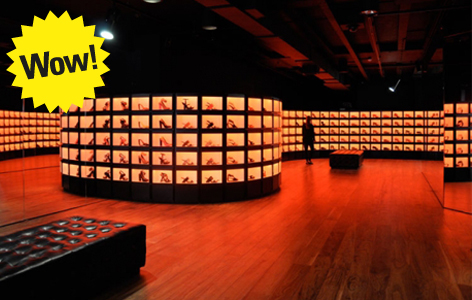
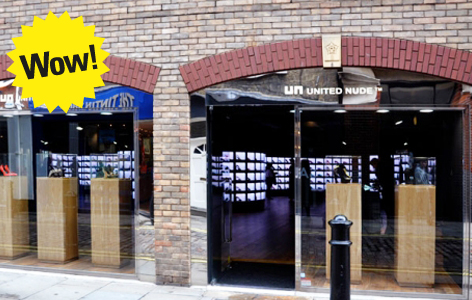
Wow Effect of The United Nude

unitednudepic1 unitednudepic2 unitednudepic3

The Wow Effect is the reaction that produces a space where we live a unique and memorable brand experience. It’s an emotional rush that invades your senses and makes you want to return there.

Who & Where: United Nude at 13 Floral Street in Covent Garden London, Amsterdam, New York, Madrid, Vienna, Nicosia, Guangzhou, Tianjin, Tokyo, Osaka, Tel Aviv and Seoul. www.unitednude.com

About its products and services: The United Nude brand was launched and formed in 2003 by architect Rem D. Koolhaas and seventh generation shoemaker Galahad Clark. When the brand was first launched, it only carried men and women shoes, but has later on managed to establish a broader range of products, such as wallets, bags and even furniture. The brand is known for footwear designs that play with original and fun constructions and materials like carbon fiber.

How: One of the United Nude flagship stores is located in London’s Covent Garden and is definitely a must see! The store balances between engineering design and architecture, that makes the store innovative, modern and exciting. The store has a “dark shop” concept, which means the store is completely dark in all areas, besides where the shoes are showcased and highlighted. The geometric framed Wall-of-light, which is a computer-controlled LED Wall, displays the United Nude products as a work of art and, combined with the mirrored walls, it gives the store a futuristic and interesting vibe. This flagship store makes you feel like you just found the shoe closet of your dreams!

Wow Effect: 9/10

—-

El efecto WOW es la reacción que nos produce un espacio en el que vivimos una experiencia de marca única y memorable. Es un ajetreo emocional que nos invade los sentidos y hace que queramos volver.

Quién y dónde: United Nude en el número 13 de Floral Street en el Covent Garden de Londres, en Ámsterdam, Nueva York, Madrid, Viena, Nicosia, Guangzhou, Tianjin, Tokyo, Osaka, Tel Aviv y Seúl. www.unitednude.com

Sobre sus productos y servicios: La marca United Nude fue lanzada y creada en 2003 por el arquitecto Rem D. Koolhaas y la séptima generación de fabricantes de calzado Galahad Clark. Al inicio de su lanzamiento, la marca sólo fabricaba zapatos para hombres y mujeres, pero más tarde amplió su cartera de productos, para fabricar también monederos, bolsos e incluso mobiliario. United Nude es conocida por sus diseños de calzado, los cuales juegan con modelos originales y divertidos y con materiales como la fibra de carbono.

Cómo: Una de las tiendas flagship de United Nude se encuentra en el Covent Garden de Londres y es, sin lugar a duda, un sitio que no se puede dejar de visitar. La tienda logra mantener el equilibrio entre el diseño y la arquitectura, y ello la convierte en innovadora, moderna y en algo fascinante. Además, hace uso del concepto “dark shop”, que consigue que el espacio desaparezca casi en su totalidad, para así dar protagonismo a la zona de exposición de calzado, que aparece iluminada. Una pared formada por marcos geométricos e iluminada con LEDs controlados por ordenador presenta los productos de United Nude como una instalación artística que, combinada con paredes con espejos, proporciona un ambiente interesante y futurista a la tienda. ¡La tienda flagship de United Nude te hace sentir como si acabaras de encontrar el armario de tus sueños!

Wow Effect: 9 / 10

Fuente imágenes // Image source: www.superfuture.com

Paris Upstores: an ephemeral mall // un centro comercial efímero

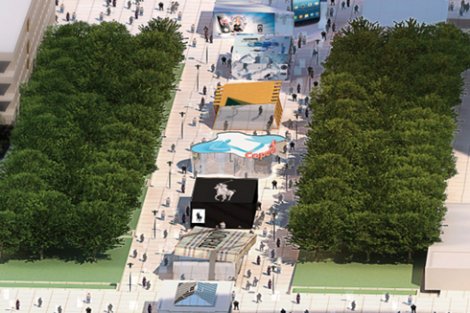
«Paris Upstores», a completely new pop-up mall concept in Europe, is an ephemeral shopping mall that will open its doors on June 1st for six weeks in the well-known business district of La Défense. This initiative has been designed to provide the French and international brands, whether big or small, with an opportunity to create a unique rendezvous for its users.

Benefitting from summer’s arrival and other events of huge commercial potential (summer sales, trade fairs…), as well as from the attractiveness and dynamism of one of the most important financial districts in Europe, the project will house ephemeral open air shops of between 40 and 100 squared meters in a surface of 700 squared meters, where new products and limited editions will be launched, and new collections and concepts will be presented, among others.

Such initiative is not sales-oriented, as it aims at enhancing the branding of the shops, and promoting a particular product or brand. It is all about promoting the concept of a shop, delinking it from its typical point of sale, and providing a unique and memorable shopping experience.

According to the promoters of the project, there is a growing interest in what’s new among consumers, and the element of surprise in «Paris Upstores» feeds the user’s curiosity. In this new fashion venue, it is also intended to improve the situation of the commercial sector through innovation, and thus attract new customers.

«Paris Upstores» should be a big success, and therefore it is expected to reopen every year during the same period.

—-

El «Paris Upstores» es un concepto totalmente nuevo en Europa de pop-up mall, un centro comercial efímero, que abrirá sus puertas el próximo 1 de junio en el conocido barrio de negocios de La Défense, y durará seis semanas. Se trata de una iniciativa concebida con el fin de ofrecer a las marcas francesas y extranjeras, locales y de barrio, un universo que les permita crear una cita única con sus usuarios.

Aprovechando la llegada del verano y de otros eventos con gran potencial comercial (rebajas de verano, ferias comerciales…), además del atractivo y dinamismo de uno de los distritos financieros más importantes de Europa, este proyecto de 700 metros cuadrados al aire libre acogerá comercios efímeros de entre 40 y 100 metros cuadrados, donde se lanzarán nuevos productos, ediciones limitadas, se presentarán nuevas colecciones y también nuevos conceptos, entre otros.

La finalidad de este tipo de tiendas no es conseguir un alto número de ventas, sino potenciar el branding y promocionar un determinado producto o marca. Se trata de que las marcas potencien su concepto desvinculándose del punto de venta físico que todos conocen, y puedan proporcionar una experiencia de compra única y memorable.

Según aseguran los promotores del proyecto, la inquietud por la novedad no para de crecer entre los consumidores, y el factor sorpresa de «Paris Upstores» alimenta la curiosidad del consumidor. Con esta iniciativa, la novedad intenta también contribuir en la mejora de la situación que vive actualmente el comercio, y atraer, así, a nuevos clientes.

Todo apunta a que «Paris Upstores» será un éxito, y es por ello que está previsto que reabra sus puertas cada año en las mismas fechas.

pop-up-mall-paris-upstores

Fuente // Source: www.cushwake.com

Loft37: Personalized shoes // Loft37: Zapatos personalizados

mZalaszewskaDEFFor a better understanding and to complete all those elements linked to the brand experience that influence the buying process, we will count with the collaboration of experts that will introduce concepts that will improve our business development, from different disciplines and points of view. Today we are pleased to introduce a text of Maja Zalaszewska, specialist in brand’s identity in the interior space.

I am a woman. If I was asked about the leitmotif of this brand, this is what would come to my mind first… I love to express myself. I have a weakness for beauty. I love shoes. Isn’t this about every woman? But every woman is different and unique, right?

The brand Loft37 seems to have found a recipe for this: hand-°©‐made, great quality (very comfortable, nice materials), good branding, accessible and affordable. Delivered to your home. Beautiful. With a funky twist. PERSONALIZED shoes. Yes! One can have a name written on ones beloved heels!

Loft37 was created by two very creative and talented young ladies –Joanna and Paulina– a lawyer and an interior designer/stylist. They say they are both very enthusiastic, energetic and share passion for beauty. Those features are probably what we can see in their brand Loft37. For the past few years, since its beginning, the brand has been growing really fast. They are now shipping outside of Poland, even to the US.

The key is their website. It is all about fun: easy going, creative, colorful. You click in and you find yourself in a shoe paradise.

The most amazing thing is that you can choose any model and configure your own materials and colors.

The selection of fabrics is vast –and what is important –the quality is what matters here. Women love details and jewelry –Loft37 did not forget about this important aspect of the feminine side. Additional application allows you to choose from ribbons, chains, belts, etc.

The cherry on the cake is the touch of luxury: the brand has invited several famous Polish designers to design several models.

The strategy and branding go smoothly together. Loft37 stands for personality, easygoing elegance, leisure, fun, comfort, luxury. All brought in together and delivered to your house. Simple.

—-

Para completar y entender mejor todos los elementos vinculados a la experiencia de marca que inciden en el proceso de compra, contaremos con la colaboración de expertos que nos irán introduciendo, desde distintas disciplinas y visiones, conceptos que nos ayudarán a construir mejor nuestro negocio. Hoy estamos encantados de presentaros un texto de Maja Zalaszewska, especialista en identidad corporativa aplicada al diseño de espacios.

Soy mujer, y como tal, si me preguntaran acerca del leitmotiv de esta marca, esto es lo primero que me vendría a la mente… Me encanta decir lo que pienso. Tengo debilidad por la belleza. Me encantan los zapatos. ¿Y no es así en toda mujer? Aunque cada mujer es única y diferente, ¿verdad?

La marca Loft37 parece haber encontrado la receta perfecta para dicha debilidad: hechos a mano, calidad de primera (muy cómodos y hechos con materiales muy buenos), con un buen branding, accesibles y asequibles. Entregados a domicilio. Bonitos. Con un aire moderno. Zapatos PERSONALIZADOS. ¡Sí! ¡Por fin es posible inscribir nombres en tus adorados tacones!

Loft37 fue fundada en Polonia por Joana y Paulina, una abogada y una estilista y diseñadora de interiores muy creativas y con mucho talento, quienes se definen como entusiastas, enérgicas y con una pasión en común: la belleza. Esta fusión de virtudes es probablemente lo que han conseguido plasmar en su marca Loft37. Desde su inicio, y sobre todo en estos últimos años, la marca ha crecido de forma muy rápida, y a día de hoy ya exporta a nuevos mercados, incluso a los Estados Unidos.

La clave de todo se encuentra en la página web: su accesibilidad, creatividad y sus vivos colores garantizan la diversión del usuario. Haces clic para entrar y descubres un paraíso de zapatos ante ti.

¡Pero lo más asombroso de todo es que puedes escoger cualquier modelo y configurar un diseño con los materiales y colores que más te gusten!

La selección de tejidos y materiales es amplia y, lo que es más importante, la calidad es primordial. Las mujeres adoran los detalles y las joyas, y Loft37 no olvida este importante detalle. Aplicaciones adicionales te permiten escoger entre lazos, cadenas, cinturones, etc.

La guinda del pastel viene dada por el toque de lujo: la marca ha invitado a  varios diseñadores de Polonia a colaborar con varios de sus diseños.

Estrategia y branding fluyen conjuntamente. Loft37 es el significado de personalidad, elegancia desenfadada, diversión, confort y lujo. Todo en uno y entregado a domicilio. Así de fácil.

Maja Zalaszewska

Screen shot 2012-12-21 at 9.05.00 PM 225178_188214984558501_1144585_n loft37.pl

Kirk Originals optician’s shop // Óptica Kirk Originals

Kirk-Originals-14Kirk+Originals_0212Kirk_Originals_019In order to make the user live a stimulating experience, Kirk Originals Eyewear, an optician’s shop with presence in over 40 countries, combines blue and grayish tones with bright lightning and presents a product layout, which is more than just creative.

66 squared meters conform this Kirk Originals’ flagship store in London, whose objective aims at interacting with the user. Located in 6 Conduit Street, this retail shop makes a difference in the optical industry and guarantees its success through minimalist design, by giving up on standard furniture to help the user perceive the product in its entire splendor.

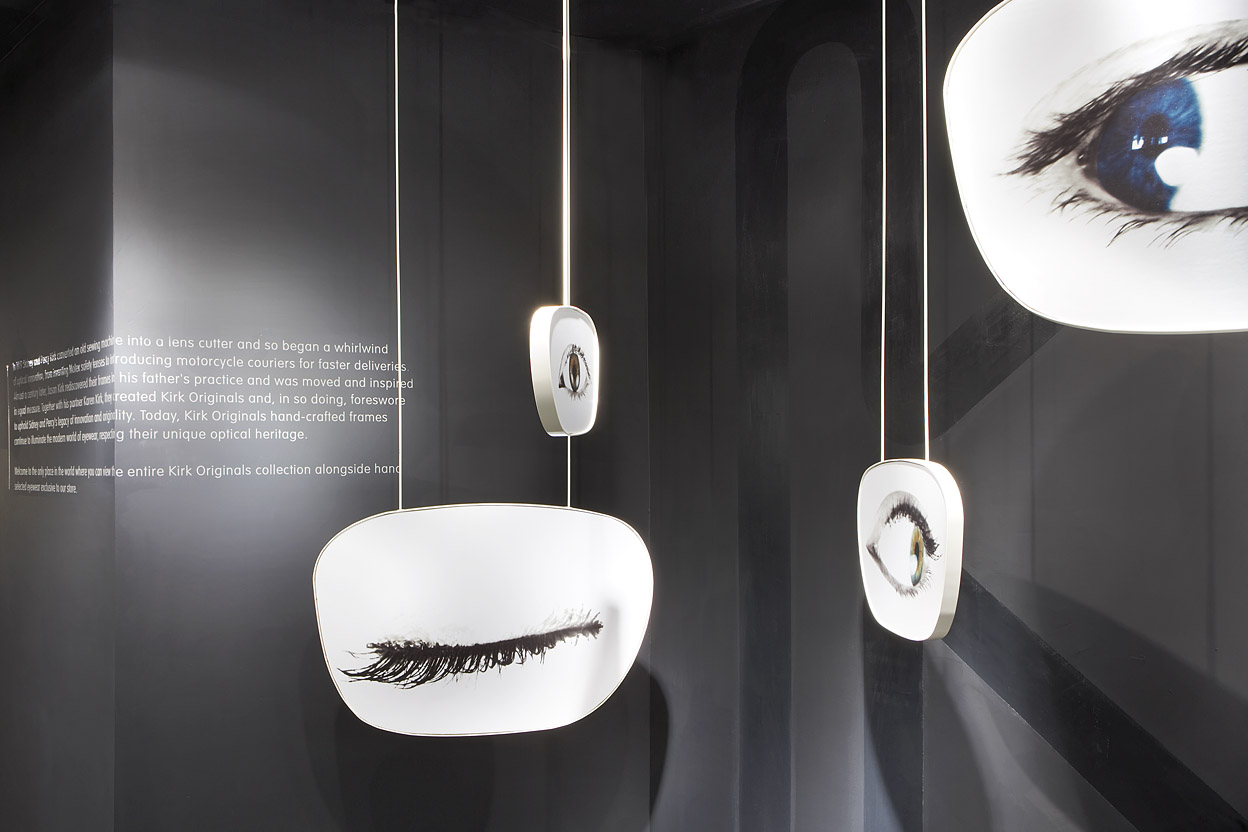
Winking eyes on its shop window attract the passers-by attention and invite them to interact with the inside of the shop, where 187 glasses are displayed on white curved surfaces with imprinted eyes.

At the underground level, far from its main space, eye testing and assembling of these handcrafted frames take place, it all tailored to the user’s needs since the 1980s. At the ground-floor level, the firm’s corporate identity in black and white is projected on its back wall and it completes the big exhibiting wall of the store.

Kirk Originals is a model of differentiation through design and architecture, as it goes beyond the limits between retail shop and users by evoking memorable experiences on the user.

If you wish to create a memorable experience, Brandcelona retail consulting can advise you on the highlights to design a flagship store. Do not hesitate to contact us at info@brandcelona.com  to study the best alternatives and plan how to carry them out in your business plan.

—-

Con el fin de que el usuario viva una experiencia estimulante, Kirk Original Eyewear, óptica con presencia en más de 40 países, combina tonos azules y grisáceos con una iluminación brillante y presenta una disposición de producto más que creativa.

66 metros cuadrados son los que conforman la tienda flagship de Kirk Originals en Londres, cuyo objetivo es interactuar con el usuario. Este punto de venta situado en la calle Conduit número 6 marca la diferencia en el mundo de la industria óptica y garantiza su éxito apostando por un diseño minimalista, donde se prescinde de mobiliario auxiliar, con el fin de que el usuario perciba el producto con todo su protagonismo.

Los guiños de los ojos de los escaparates invitan a los transeúntes a entrar en contacto con el interior, donde se exponen 187 gafas diferentes montadas sobre superficies curvas blancas con ojos sobreimpresos.

En el piso inferior, lejos del espacio principal, tienen lugar los exámenes oculares y el montaje de este producto elaborado de forma artesanal y personalizada desde hace más de dos décadas. En la planta principal, la proyección en blanco y negro de la identidad corporativa de la empresa en el fondo de la tienda completa la gran pared expositora.

Kirk Originals es un ejemplo más de diferenciación por medio del diseño que consigue romper con las barreras impuestas en la relación entre espacio comercial y usuario, provocando en él una experiencia memorable.

Si deseas crear una experiencia memorable, Brandcelona retail consulting te puede asesorar sobre los aspectos más destacados para diseñar una flagship store. No dudes en contactarnos en info@brandcelona.com para que estudiemos las mejores alternativas y planificar cómo llevarlas a cabo en tu plan de negocio.

Crab’s essence // Esencia de cangrejo

banner_erocchi For a better understanding and to complete all those elements linked to the brand experience that influence the buying process, we will count with the collaboration of experts that will introduce concepts that will improve our business development, from different disciplines and points of view. Today we are pleased to introduce a text of Elena Rocchi, architect, artist and teacher.

All crabs have something in common: they all wander at the bottom of the sea. As they develop, their forelegs turn into two claws, which capture and manipulate the food, so they can be better at courting and fighting.

Claws are what I need on a Sunday afternoon stroll during Christmas time to get through the crowd at Passeig de Gràcia, one of the main shopping streets in Barcelona. I leave home in order to do some research and understand what people like and how people react when they face a shop window during Christmas time. How can a firm get the ones standing there engaged only with their shop window-stages?

Just imagine that you are going for a walk on a Sunday when you suddenly notice a shop window approaching. A group of people is standing in front of it. More people than expected. You think then about continuing without stopping, trying not to run over the people standing there. What should you do? The answer is relatively straightforward: you will have to stop.

You are by the boutique of a brand that was founded in Spain by a German craftsman specialized in leather working that arrived in Madrid in 1872 to learn from the Spanish leather industry: Enrique Loewe Roessberg. Enrique Loewe arrived in Spain in the late 19th century like many other German craftsmen that, since the 16th century, sought their fortune and, at the same time, wanted to undertake a training journey in Spain, France and Italy. Such was the success of Loewe in expanding his business by opening a leather goods workshop in the most commercial district in Madrid, in Lobo street, that in 1905 Loewe was appointed Purveyor to the Royal Household, and Alfonso XIII of Spain became his regular customer. Loewe started manufacturing pink frames écrasé, Moroccan leather jewel boxes and handbags, among others: a Leather goods factory E. Loewe. Príncipe Street, 39. Phone number 1.810. Man spricht deutsch. On parle français. English spoken. Established 1846”).

Over the same years in which Mariano Fortuny produced exotic fabrics in Italy, “Loewe, fiel a la piel” (“Loewe, faithful to leather”) remains faithful to its original philosophy. In Spain, where the firm is renowned for the quality of its lambskins, he finds the “Cordero entrefino español”, which refers to lambs bred in the cool heights of the Spanish Pyrenees.

As we were saying… You are standing in front of a shop window from the boutique at Passeig de Gràcia, 35, first opened in 1940 by German Loewe Knappe and relocated to Passeig de Gràcia from Carrer Ferran (Ferran Street), the second boutique from Loewe opened in Barcelona, after the one in Carrer Fonanella (Fontanella Street). Javier Carvajal was the architect that during 1960s conducted a study about Northern interior design transformed into “Spanish” by using walnut. Designer Vicente Vela not only added many different colors to Loewe’s leather, but he also shaped the firm as a “crab” in 1970. However, the precursor of Loewe’s visual merchandising back in the 70s was designer José Pérez Rozas, as he was the one that first brought such an ephemeral art performance to its shop windows.

Since 1980s Loewe has brought together through its Foundation writers, painters and philosophers as aesthetic consultants of the firm, in order to know how to proceed when selling “Spanishness” of the brand in the world, especially in Japan and in Asia-Pacific. Loewe does so by including “shawls with motifs from Velásquez or the Gala fragrance in the form of a Menina (Spanish for “Maid of Honour”), as said by Luis Antonio de Villena, one of the consultants of the Foundation, which was founded in 1988 by Enrique Loewe Lynch (the fourth Loewe generation).

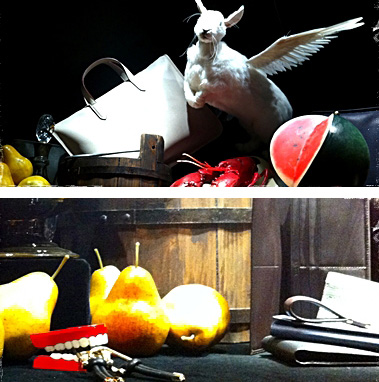
Since you have stopped when trying not to run over the people standing in front of the shop windows from Loewe, you suddenly see a flying rabbit and a world map in the shape of a rotating watermelon next to some handbags, when looking at the show window. Standing right next to a group of women taking pictures of the still life of Loewe, you will be astonished and fascinated by the flying rabbit. While wandering at the bottom of the sea, the crab has caught it with its claws. The crab begins to court the rabbit; he captures it and will eventually manipulate it like the best comfort food.

Stuart Vevers, Loewe’s current creative director since 2008 and the author of the brand’s rejuvenation, explains that the “good practice” of the firm in regards to its shop windows-still lifes for Christmas time in the 20th century results from some ancient and classical codes and aims at pursuing the key principle “A luxury firm must cause tachycardia on its customers”. If the famous advertising campaign “Quizás, quizás, quizás de Loewe” (“Perhaps, perhaps, perhaps by Loewe”) by Eugenio Recuenco focused on the “Spanish traditional character”, seduction and social valuation, what kind of tachycardia should cause the new shop windows-still lifes at Passeig de Gràcia in Barcelona? Every still life has an allegorical and symbolic meaning in their general iconographic messages; Loewe takes up such messages again in this year’s Christmas campaign. And if Leonardo da Vinci’s still lifes show genuine interest for the new-enlightened world, at what new world do the handbags and wallets made out of “Spanish cordero fino” leather aim?

As in the finest still life tradition, the shop window represents natural inanimate objects from our daily life or inanimate objects created by the human Loewe. A gold baroque frame determines the space of the shop window on a black rigorous background. The lighting highlights the symbolic value of the message. Furthermore is Loewe’s still life animate. The flying rabbit wings (probably in its resurrection) and the rotating watermelon-world map appoint Africa as the world’s future. They move.

Based on the belief that objects become “Real” at the other side of death, in case the pharaoh may need them, the still lifes made of food and domestic objects are born for the first time as interior decoration for the tombs in Ancient Egypt. Through baroque paintings, still lifes celebrate the “Vanitas things” (XXX) that death snatches from us when we all become equal. Omnia mors aequat (“Death levels all distinctions”). The genre of “Vanitas” still lifes has to do with the Thirty Years’ War (1618-1648), where many European countries went bankrupt and the economy collapsed. In this context, still lifes try to forget about the crisis by representing vanity and wealth in its fleetingness. The Spanish version here refers to an impoverished country from the 1600s, since the gold found in the American colonies was not invested in a productive way: the Spanish still lifes by Juan Sánchez Cotán had a “lack of food”.

Right in front of the hyperrealist shop window where you are standing you can see these new skilled Zeuxis and Parrhasius and their Trompe-l’oeil. Pliny the Elder appointed the Greek painter Peiraikos as “the painter of vulgar objects” and his works as “a group of delicious things sold at higher prices than the greatest paintings of many other artists”, just like Loewe’s still lifes. Wealthy Loewe financed a new collection with new types of leather. But this time there are no moral messages in his “Cabinet of Wonder”. What would you say there is instead?

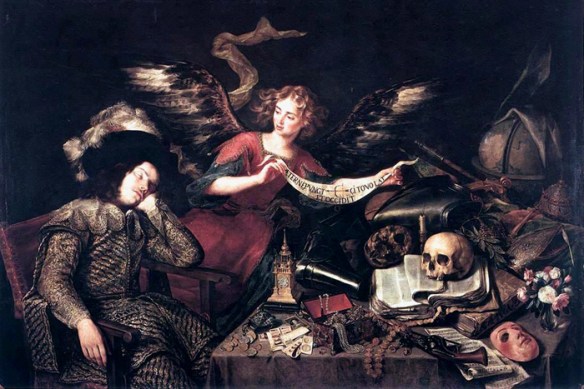
Through “World’s disillusion, Vision of a Knight” from 1670, painter Antonio de Pereda explains probably better the disillusionment shown in Loewe’s shop window. While sleeping, an angel appears in the young boy’s dreams and warns him. Here the flying rabbit is warning you. “Aeterna pungit, cito volat et occidit” (“Eternally it stings, swiftly it flies and it kills”). A bit higher than your eye-level the flying rabbit reminds you of Lewis Carroll’s March Hare at the Unbirthday Party in Alice in Wonderland, and, just like Alice, you are a subgenre in this Tea Party. You are the one celebrating on your Unbirthday; on the day of your death. Only your teeth are lying among this setting of Loewe handbags, watermelons, crabs and key-chains. You are not there anymore. And this all reminds you of the fleetingness of life. Omnia mors aequat (Death levels all distinctions). The Trompe-l’oeil is misleading you, but if you look a little bit closer at the reflection of the shop window you will see that you have no longer multiple points of view; you are now standing in front of your own point of view, where your face is now at the height of the plastic teeth.

The severe austerity in Spanish still lifes is probably what Loewe identifies with the “being Spanish” concept and what would best represent Spain in form of a souvenir to bring back home. But when this is translated into Loewe’s shop window by introducing the brand’s luxury and you in your impermanence, Loewe develops a new technique that goes beyond the boutique. As in the Pop Art-still life “Campbell’s Soup Cans” produced by Andy Warhol, the modified image of the product and your critical view as a consumer, as well as the fact of being temporarily alive, constitutes its real matter.

Ready to wear. Only for a while. Before the Tachycardia.

Stuart Vevers knows these are hard times. And his “good clinical eye” points to the impermanence. Albert Puyol, former president of Loewe, says about the enfant terrible:  “Some people, like Marc Jacobs, John Galliano or Stuart Vevers, perceive life in five different dimensions, instead of perceiving it in two. They see the world through a hole, which turns to be the hole we all eventually see through”.

A whole we all go through in our Sunday stroll in the fifth dimension. Now, honestly; do not forget to take a Loewe handbag for your trip.

—-

Para completar y entender mejor todos los elementos vinculados a la experiencia de marca que inciden en el proceso de compra, contaremos con la colaboración de expertos que nos irán introduciendo, desde distintas disciplinas y visiones, conceptos que nos ayudarán a construir mejor nuestro negocio. Hoy estamos encantados de presentaros un texto de Elena Rocchi, arquitecta, artista y profesora.

Lo que tienen en común todos los cangrejos es vivir “vagando” sobre el fondo del mar.

En su evolución, sus patas delanteras locomotoras se mudan en un par de pinzas que capturan y manipulan el alimento, que cortejan y luchan mejor.

Pinzas son las que necesito un domingo por la tarde para hacerme espacio el Passeig de Gràcia, en época de Navidad. En Barcelona. Salgo a la calle a seguir las investigaciones que me ayudan a entender el gusto de la gente y sus reacciones humanas al encontrarse delante de un escaparate en Navidad. ¿Cómo una firma consigue comprometer con sus escaparate-escenarios a todos aquellos que allí delante están?

Imagínese que Usted está realizando su paseo dominguero cuando a lo lejos observa un escaparate que se aproxima. Un grupo de personas esta parado delante de el. Más gente de lo normal. Piensa entonces Usted en continuar su recorrido y no pararse, intentando ingeniárselas para evitar atropellar a los individuos allí parados. ¿Qué es lo que Usted debería hacer? La respuesta es relativamente sencilla: deberá pararse.

Está Usted a la altura de la tienda de una marca fundada en España por un artesano alemán, que llega a Madrid en 1872 para aprender sobre la marroquinería española: Enrique Loewe Roessberg. Enrique Loewe llega a España a finales del siglo XIX como todos aquellos artesanos alemanes que tienen el propósito de hacer fortuna y al mismo tiempo emprender su viaje de formación en España así como en Francia y Italia desde el siglo XVI. Tal es la fortuna de Loewe en relevar un taller de trabajo de marroquinería en la calle Lobo de Madrid, que en 1905 es distinguido como Proveedor de la Casa Real. Y Alfonso XIII es su cliente habitual. Loewe empieza fabricando marcos de ecrasé rosas, cajas de alhajas en piel de tafilete, bolsos, saquitos para automóvil en piel: una “Fábrica de artículos de piel E. Loewe. Príncipe, 39. Teléfono 1.810. Man spricht deutsch. On parle français. English spoken. Casa fundada en 1846”.

En los mismos años en los que Mariano Fortuny produce tejidos exóticos en Italia, “Loewe, fiel a la piel” sigue con su filosofía original. En España, reconocida por la calidad de las pieles de cordero, Loewe encuentra el «Cordero entrefino español», que vive y pastea feliz en las frías alturas de los Pirineos españoles.

Como estaba diciendo… Está Usted delante de un escaparate de esta tienda al número 35 del Passeig de Gràcia, abierta en 1940 por German Loewe Knappe y trasladada aquí desde la Calle Ferran, la segunda tienda Loewe en Barcelona después de la Calle Fontanella. Javier Carvajal es el arquitecto encargado durante los años 60 del estudio de un interiorismo de carácter nórdico “españolizado” con madera de nogal. El diseñador Vicente Vela es el que, a parte dar a la piel Loewe diversos colores, da forma de “cangrejo” a la firma en 1970. Y sobre todo, José Pérez Rozas, es el creador de bolsos de la casa y el precursor del «visual merchandising» en aquellos años 70, que inaugura la tradición de los escaparates teatrales y elegantes de Loewe, demostración verdadera de arte efímero.

Desde los años 80 Loewe convoca a través de su fundación a escritores, pintores y filósofos como asesores estéticos de la firma sobre como proceder en la venta de la “españolidad” de la firma en el mundo, principalmente en Japón y Asia-Pacifico. Lo hace desde sus tiendas y escaparates “con sus pañuelos con motivos de Velásquez o el perfume Gala, con forma de menina”, como recuerda el escritor Luís Antonio de Villena, uno los asesores de la Fundación creada en 1988 por Enrique Loewe Lynch, cuarta generación Loewe.

Al haberse parado Usted en su intento de evitar atropellar a los individuos delante de los escaparates Loewe, al mirar a la vitrina, descubre un conejo volador y un mapamundi en forma de Sandía Giratoria al lado de unos bolsos. Quedará Usted perplejo y fascinado delante del Conejo volador, allí detrás del grupo de señoras tirando fotos al Bodegón Loewe lleno de ideas regalo. El cangrejo le ha atrapado en sus pinzas mientras estaba “vagando” sobre el fondo del mar. Le empieza a cortejar, le captura y le manipulará como su mejor alimento.

Stuart Vevers, director creativo de Loewe desde 2008 y rejuvenecedor de la marca, apunta en los escaparates-Bodegones el “buen hacer” de la firma según unos códigos antiguos y clásicos, en estos días de Navidad de nuestro siglo XXI, bajo su propósito según el cual “Una firma de lujo tiene que provocar taquicardia en el cliente”. Si la tradicionalidad española junto con la seducción y valoración social son temas centrales de una famosa campaña publicitaria de Eugenio Recuenco «Quizás, Quizás, Quizás de Loewe», ¿qué taquicardia nos deberían dar los nuevos bodegones escaparate del Passeig de Gràcia en Barcelona? Los Bodegones tienen un significado alegórico y simbólico en su mensaje iconográfico general que bien es retomado por Loewe en la campaña de estas Navidades. Y si con los bodegones de Leonardo da Vinci se demuestra el interés por un nuevo mundo ilustrado, ¿a qué nuevo mundo apuntan los bolsos y las carteras de piel de cordero entrefino español?

Como en la mejor tradición de los bodegones, el escaparate representa objetos inanimados de la vida cotidiana, naturales o hechos por el hombre Loewe. El espacio del escaparate, sobre riguroso fondo negro, es determinado por un marco barroco de oro. La iluminación resalta el valor simbólico del mensaje. El Bodegón Loewe es, además, animado. Las alas del conejo volador (quizás en su resurrección) y la sandía-mapamundi que apunta a África como el futuro del mundo, se mueven.

Los bodegones hechos de comida y objetos domésticos nacen por primera vez como adorno del interior de las tumbas del Antiguo Egipto, en esta creencia de que los objetos se hacen “Reales” al otro lado, por si el faraón los necesita. Con la pintura Barroca, los bodegones celebran las “Cosas Vanitas” que la muerte borra al igualar a todos. Omnia mors aequat. El género de Bodegones “Vanitas” tiene que ver con la Guerra de los Treinta Años (1618/1648), con la ruina de muchos países europeos y el desplome de la economía. Los Bodegones en este contexto intentan olvidar la crisis a través de la representación de la vanidad y la riqueza aunque en su fugacidad. La variante española es la de un país empobrecido alrededor de 1600 ya que el oro de las colonias americanas no se ha invertido de manera productiva: los bodegones españoles de Juan Sánchez Cotan son “carentes de comida”.

Delante de este escaparate hiperrealista, Usted se encuentra delante de estos nuevos y diestros Zeuxis y Parrasio y de su Trampantojo. Plinio el Viejo indica al pintor griego Peiraikos como “el pintor de los objetos vulgares”, y a sus obras que, como los Bodegones Loewe “eran en conjunto deliciosas, y se vendían a precios más altos que las más grandes (pinturas) de muchos otros artistas”. El rico Loewe financia una colección de nuevas especies de piel. En su “gabinetes de curiosidades” no hay carnes crudas ni mensajes morales. ¿Qué diría Usted que hay entonces?

Con “Desengaño del Mundo, El sueño del caballero” de 1670, Antonio de Pereda nos explica quizás mejor el desengaño ofrecido por el Escaparate Loewe. El ángel se lo advierte en sueños al joven ricamente vestido.
El conejo Volador se lo advierte a Usted. “Aeterna pungit, cito volat et occidit” (Eternamente hiere, vuela veloz y mata). Ubicado un poco más arriba de la altura del ojo, el conejo volador recuerda la Liebre de Marzo de Lewis Carroll de la Fiesta de No Cumpleaños de Alicia en el País de las Maravillas, y Usted, como Alicia, es un subgénero dentro de este Tea Party. Usted es el celebrado en su día de no cumpleaños. En el día de su muerte. En este arreglo de bolsos Loewe, sandías, cangrejos y llaveros, está su dentadura sin Usted ya, recordándole la fugacidad de la vida. Omnia mors aequat. La  “trampa ante el ojo” le engaña, pero si mira bien en el reflejo del vidrio de la tienda, su figura se coloca ya no en puntos de vista múltiples, sino en el suyo propio, donde su cara está a la altura de la dentadura de plástico.

La severa austeridad de los bodegones españoles es para Loewe quizás lo que identifica el “ser español” para llevarse de souvenir de vuelta al país de cada uno. Pero al traducirlo en sus escaparates introduciendo el lujo de la marca y a Usted en su impermanencia, Loewe inventa una nueva técnica mixta que se expande mas allá de la tienda. Como en los bodegones Pop Art de latas de sopa Campbell de Warhol, su verdadero tema es la imagen modificada del producto comercial y la postura crítica que Usted tome como consumidor y ser vivo temporalmente.

Ready to wear. Only for a while. Before the Tachycardia.

Stuart Vevers sabe que no son tiempos de lujo. Y su inteligente ojo apunta a la impermanencia. El expresidente del grupo de moda Albert Puyol dice del enfant terrible: “Hay gente que, en vez de percibir la vida en dos dimensiones, lo hace en cinco, como Marc Jacobs, John Galliano o Stuart Vevers, que ven el mundo por un agujero que, al final, es por el que acabamos viendo todos”.

Un agujero por el que acabamos pasando todos en nuestro paseo dominguero en la quinta dimensión. Eso sí. Llévese un bolso Loewe para el Viaje.


Elena Rocchi


Antonio de Pereda El sueño del caballero bodegon

MOSAIC 2

#mybestretailexperience has already a winner // #mybestretailexperience ya tiene ganador

brandcelona_concurs-01brandcelona_concurs-02

The winner of the #mybestretailexperience contest has been @sergibway with a picture of an installation from Louis Vuitton that took place in Paris in 2009. Congrats sergibway!

In the coming days you will receive a Christmas kit from brandcelona® in which you will find 5 delicious chocolate packs, which will make you enjoy its taste and, at the same time, you will be able to send a postcard and share our lifestyle and brand experience.

We wanna thank all the people that participated in the contest. brandcelona® wishes you all a Merry X-mas!

—-

El ganador del concurso #mybestretailexperience ha sido @sergibway con una instalación de Louis Vuitton que se realizó en París el año 2009. Felicidades sergibway!

En los próximos días te haremos llegar un kit de navidad de brandcelona®; en él encontrarás 5 deliciosos packs de chocolate que te permitirán disfrutar de todo su sabor y a su vez enviar una postal compartiendo nuestro estilo de vida y experiencia de marca.

Muchas gracias a todos los que participastéis en el concurso. Desde brandcelona® os deseamos a todos una feliz navidad!