Ania Kruk: Innovative jewelry from Poland // Ania Kruk: Joyería innovadora desde Polonia

The evolution of jewelry has been closely linked to the increase in the offer of complements of big fashion brands as well as the emergence of costume jewelry as an alternative to precious stones and jewels. The options were distancing: or betting on a traditional jewelry with author pieces, or designing and producing for either bigger brands, or offering cheap simple pieces with bright materials that public could buy without spending a fortune.

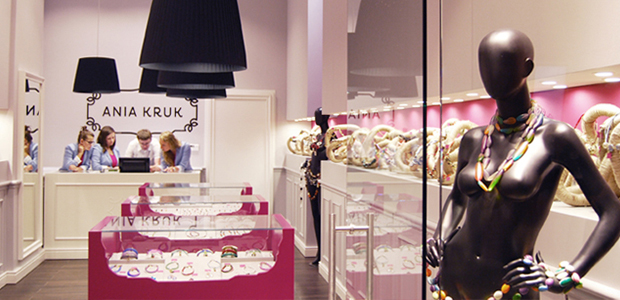
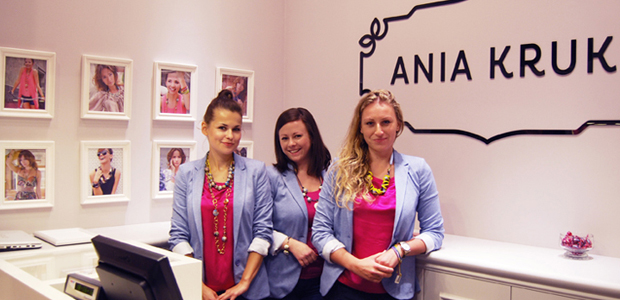
In Ania Kruk propose something different: reinterpret jewelry with original materials and supporting closeness. From Poland, this new family brand of jewelry, not only innovate in the use of unconventional materials like resins, wood, ceramic, silicone, leather, but also in the way they expose their collections and the philosophy of their shop. Color invades every corner and jewels, giving energy and vitality to the visitor. Their proposal focuses on casual products at reasonable prices, and even have a basic range of simple products with colors that vary according to seasonal trends. They opt for a close attendance so they want the wearer to feel unique and genuine when they wear their jewelry, highlighting femininity as a lifestyle and a pride. They approach modern jewelry collections fto everyone, democratizing the prices with the introduction of new materials.

The brand W.Kruk 1840 is one of the most popular jewelery companies in Poland, and that is why the new Kruk generation, by the hand of Ania and Wojtek Kruk, wants to introduce a completely different concept without losing the tradition and experience that distinguishes their family business. They plan to open three stores until late 2012 in major Polish cities, including Warsaw, a part of the one that have in Poznan; although they sell online across the country.

—-

La evolución de la joyería ha ido muy ligada al aumento de la oferta de complementos de grandes marcas de moda, así como a la aparición de la bisutería como alternativa a las piedras preciosas y joyas. Las opciones se iban distanciando: o apostar por una joyería tradicional con piezas de autor, diseñar o producir para marcas más grandes o bien, ofrecer piezas sencillas con materiales brillantes económicos y que permitieran al público comprar múltiples complementos sin gastar una fortuna.

En Ania Kruk proponen algo distinto: reinterpretar la joyería con materiales originales y apostando por la cercanía. Desde Polonia, esta nueva marca familiar de joyas, no sólo innova en el uso de materiales no convencionales como las resinas, la madera, la cerámica, la silicona, el cuero, sino también en su forma de exponerlos y la filosofía de su tienda. El color invade todos los rincones y las joyas, dando energía y vitalidad al visitante. Su propuesta se centra en productos ocasionales a buen precio, e incluso cuentan con una gama básica de productos sencillos con colores que varían según las tendencias de la temporada. El trato cercano que ofrecen pretende hacer sentir a la usuaria de sus joyas única y genuína cuando las lleve, resaltando la feminidad como estilo de vida y de orgullo. Sus colecciones acercan la joyería moderna a todo el mundo, democratizando los precios gracias a la introducción de nuevos materiales.

La marca W.Kruk 1840 es una de las empresas joyeras más populares en Polonia, y es por eso que la nueva generación Kruk, de la mano de Ania y Wojtek Kruk, quiere introducir un concepto totalmente distinto sin perder la tradición y experiencia que distingue a su empresa familiar. Tienen previsto abrir 3 tiendas hasta finales de 2012 en las principales ciudades de Polonia, entre ellas Varsovia, a parte de la que ya tienen en Poznan; aunque ya venden online por todo el país.

Traditional Feng Shui: Opportunities to improve // Feng Shui Tradicional: Oportunidades de mejora

For a better understanding and to complete all those elements linked to the brand experience that influence the buying process, we will count with the collaboration of experts that will introduce concepts that will improve our business development, from different disciplines and points of view. Today we are pleased to introduce a text of Montserrat Milian Batista, traditional Feng Shui consultant.

They said in the ancient China that «when we live in harmony with the energies of the environment, our lives improve.»

Feng Shui works with this environmental energy (or chi), always present, which should be favorable or otherwise, can be a heavy burden. According to Taoist metaphysics it represents approximately one third of a person’s life.

Anyway, this discipline is a great unknown. For some, it represents a trend or perhaps a superstition, for others it serves to decorate, but for most, it is a great mystery … And, while it is true that the application of its principles impacts on the decoration and looks for beauty, it is something deeper.

Its history goes back to thousands of years in a meeting point between Art and Science. The earliest record of its use is in classical Chinese poetry (1000-5000 BC).

Traditional Feng Shui meets the Form or Landscape School, – which analyzes the landscape (natural, urban or inner) as well as light, color, elements and other variables-, and the Compass School – which uses calculations based on the cardinal directions and the impact of certain constellations on the earth energy-.

Thus, takes into account both space and time, something that does not happen in simplified systems of Feng Shui, as Bagua, created by Lin Yun in California in the 70s to introduce this subject in the West.

To offer advice to remedy certain situations and avoid other and, in many cases, help to increase prosperity, improving relationships and health.

How does a Feng Shui consultant order to harmonize the energies in a space?

Basically, analyzing the environment based on the five animals that considers the School the Landscape (black turtle, red bird, yellow snake, green dragon and white tiger), using the five elements (fire, earth, metal, water and wood) and the work with the concepts of Yin and Yang. All this translates into tips for the correct placement and orientation of furniture, doors, roads, and other elements to the situation of people in space, in recommendations about shapes and colors and the most appropriate use for each of the rooms.

Thus, Feng Shui helps to inhabit a space in the best possible condition and its application extends to architecture, urbanism, landscape design, the choice of suitable land, interior design, and the optimization of business enterprises and personal growth.

This wisdom brings undoubtedly opportunities to improve worth to value.

—-

Para completar y entender mejor todos los elementos vinculados a la experiencia de marca que inciden en el proceso de compra, contaremos con la colaboración de expertos que nos irán introduciendo, desde distintas disciplinas y visiones, conceptos que nos ayudarán a construir mejor nuestro negocio. Hoy estamos encantados de presentaros un texto de Montserrat Milian Batista, consultora de Feng Shui tradicional.

Decían en la antigua China que “cuando vivimos en armonía con las energías del entorno, nuestra vida mejora”.

El Feng Shui trabaja con esta energía (o chi) ambiental, siempre presente, que conviene que sea favorable o, de lo contrario, puede llegar a ser una pesada carga. Según la metafísica taoísta representa aproximadamente la tercera parte de la vida de una persona.

Sea como sea, esta disciplina es una gran desconocida. Para algunos, representa una moda o, quizá, una superstición; para otros, sirve para decorar; para la mayoría, se trata de un gran misterio… Y, si bien es cierto que la aplicación de sus principios repercute sobre la decoración y busca la belleza, se trata de algo más profundo.

Su historia se remonta a miles de años en un punto de encuentro entre Arte y Ciencia. El documento más antiguo sobre su uso se encuentra en la poesía clásica china (1.000-5.000 aC).

 El Feng Shui Tradicional reúne la Escuela de la Forma o del Paisaje –que analiza el paisaje (natural, urbano o interior) así como la luz, el color, los elementos y otras variables- y la Escuela de la Brújula – que se sirve de cálculos basados en las orientaciones cardinales y en el impacto de determinadas constelaciones sobre la energía terrestre-.

De esta manera, tiene en cuenta tanto el espacio como el tiempo, algo que no sucede en los sistemas simplificados de Feng Shui, como el Bagua, creado por Lin Yun en la California de los años 70 para introducir esta materia en Occidente.

Permite ofrecer consejos para paliar determinadas situaciones y evitar otras y, en muchos casos, ayudará al incremento de la prosperidad, a la mejora de las relaciones y de la salud.

 ¿Cómo trabaja un consultor de Feng Shui para armonizar las energías presentes en un espacio?

Básicamente, analizando los entornos a partir de los cinco animales que tiene en cuenta la Escuela del Paisaje (tortuga negra, pájaro rojo, serpiente amarilla, dragón verde y tigre blanco), mediante el uso de los cinco elementos (fuego, tierra, metal, agua y madera) y el trabajo con los conceptos Yin y Yang. Todo esto se traduce en consejos para la correcta ubicación y orientación de muebles, puertas, caminos y otros elementos para la situación de personas en el espacio, en recomendaciones sobre formas y colores y sobre el uso más adecuado para cada una de las estancias.

Así pues, el Feng Shui ayuda a habitar un espacio en las mejores condiciones posibles y su aplicación se extiende a la arquitectura, el urbanismo, el paisajismo, la elección de terrenos adecuados, el diseño de interiores, la optimización de empresas y negocios y el crecimiento personal.

Su sabiduría aporta, sin duda, oportunidades de mejora que vale la pena saber valorar.

The shopping villages experience // La experiencia de las villas de shopping

La Roca Village (Barcelona) via somepleasures.blogspot.com

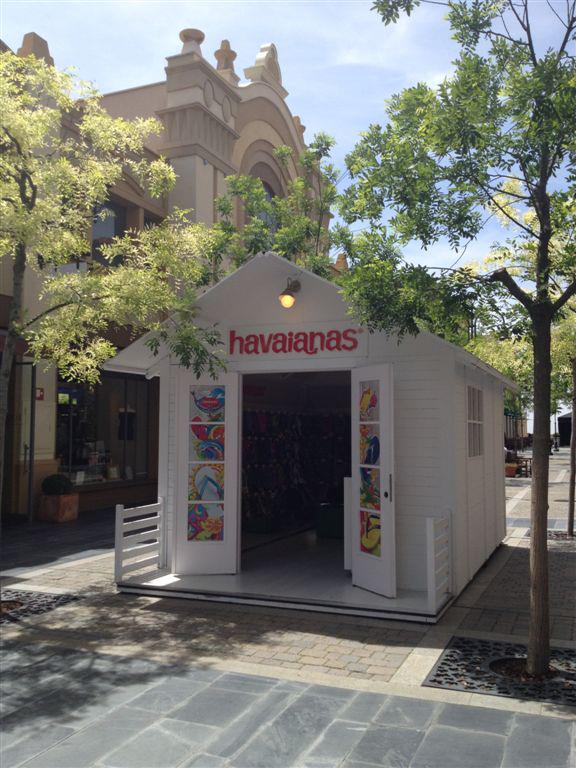
Havainas Store in Las Rozas Village (Madrid) vía Las Rozas Village Facebook Page

Ingolstadt Village (Munich) vía Ingolstadt Village Facebook Page

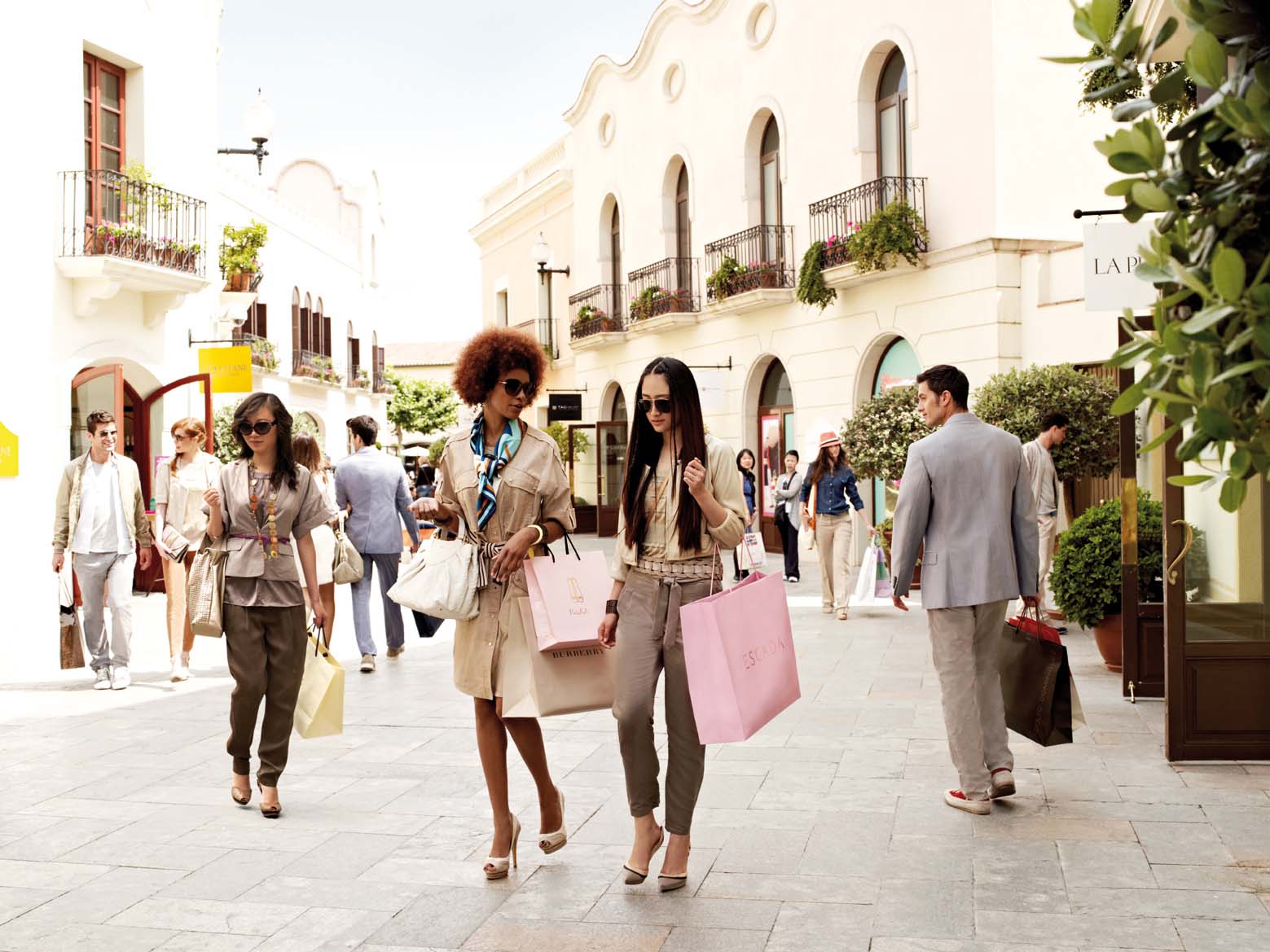
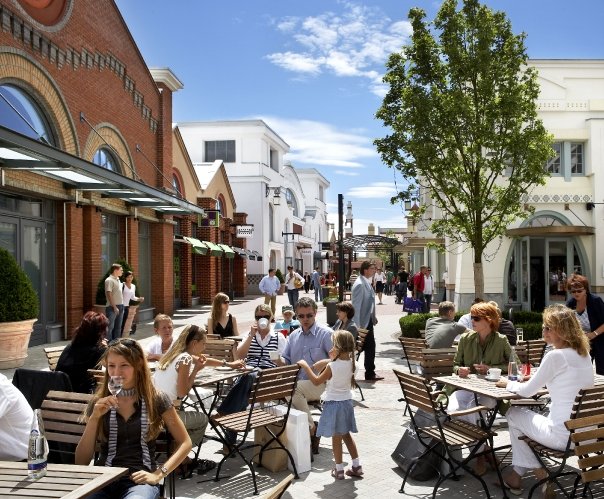
The city center has gradually become a space of pace and stress in which traffic, construction and the crowd are the background music and distances between the chic shops is widening more and more. All this, is just turning the experience of shopping into a «risky sport» that saturates and depletes visitor forces. Shopping villages are responding to this new scenario: decentralized small towns with streets and squares to walk through without cars or noise and where brands are exposed in an intimate and relaxed way.

The added value of this retail format is to offer an enjoyable experience, more adapted to the needs of visitors. In shopping villages we often find luxury brands with great deals and innovative and unique collections, as well as independent retailers and cultural projects, such as exhibitions and leisure activities. Its aesthetic of small autochthonous village  accompanied by a good choice of restaurants, cafes and terraces as well as gardens and areas for the amusement of children. They become places to visit with the family and offer common services for all facilities as the possibility of having a personal shopper, shopping without hanging bags and visitor information points. Also usually consider a good link with the surrounding towns and from the airport, providing shuttle buses and proximity to major transport networks, as they also represent a good tourism offer to the area.

One of the pioneers in Europe of this format is the company Chic Outlet Shopping that has villas in London, Milan/Bologna, Dublin, Brussels/Antwerp/Cologne, Frankfurt and Munich, Barcelona (La Roca) and Madrid (Las Rozas). They plan to open a new villa in Suzhou (Shanghai, China), to push the boundaries of the European continent. We could also cite as a reference, the Boxpark mall in London or the popup REC festival in Igualada (Barcelona)  of whom we talked about a few months ago.

—-

El centro de la ciudades se ha ido convirtiendo en un espacio de paso y estrés en el que el tráfico, las obras, la multitud son el hilo musical y las distancias entre las tiendas más chic cada vez se amplían más. Todo ello, acaba convirtiendo la experiencia del shopping en un «deporte de riesgo» que satura y agota las fuerzas del visitante. Las shopping villages son la respuesta a este nuevo escenario: pequeños pueblos descentralizados en los que pasear por calles y plazas sin coches ni ruidos donde las marcas se exponen de forma más íntima y relajada.

El valor añadido de este formato de retail reside en ofrecer una experiencia agradable y más adaptada a las necesidades de los visitantes. En las shopping villages suelen encontrarse marcas de lujo con grandes descuentos con colecciones innovadoras y exclusivas, así como proyectos de retail independiente y culturales como exposiciones y actividades de ocio. Su estética de pequeño pueblo autóctono se acompaña por una buena oferta de restauración, cafés y terrazas así como zonas ajardinadas y áreas para el divertimento de los más pequeños. Se convierten en espacios en los que visitar en familia además de ofrecer servicios comunes para todos los establecimientos como la posibilidad de contar con un personal shopper, comprar sin cargar bolsas y puntos de información al visitante. También suele tenerse en cuenta la buena conexión con las localidades vecinas y también desde el aeropuerto, ofreciendo buses lanzadera y cercanía a las principales redes de transporte, pues también representan una buena oferta turística para la zona.

Una de las compañías pioneras en Europa de este formato es Chic Outlet Shopping que cuenta con villas en Londres, Milán/Bolonia, Dublín, Bruselas/Antwerp/Colonia, Frankfurt y Munich, Barcelona (La Roca) y Madrid (Las Rozas). Próximamente planean abrir una nueva villa en Suzhou (Shanghái, China), traspasando las fronteras del continente europeo. También podríamos citar como referente, el centro comercial Boxpark en Londres o el festival popup REC en Igualada (Barcelona) de los que hablamos hace unos meses.

Fàbrica Moritz: tradition and modernity // Fàbrica Moritz: tradición y modernidad

Fàbrica Moritz in Barcelona via http://www.com-elisava.com

Fàbrica Moritz in Barcelona via http://www.barcelona-metropolitan.com

Fàbrica Moritz in Barcelona via brillat-savarin.blogspot.com

Fàbrica Moritz in Barcelona via http://www.barcelona-metropolitan.com

Brompton by Moritz in the «M» Store in Barcelona via lamevabcn.blogspot.com

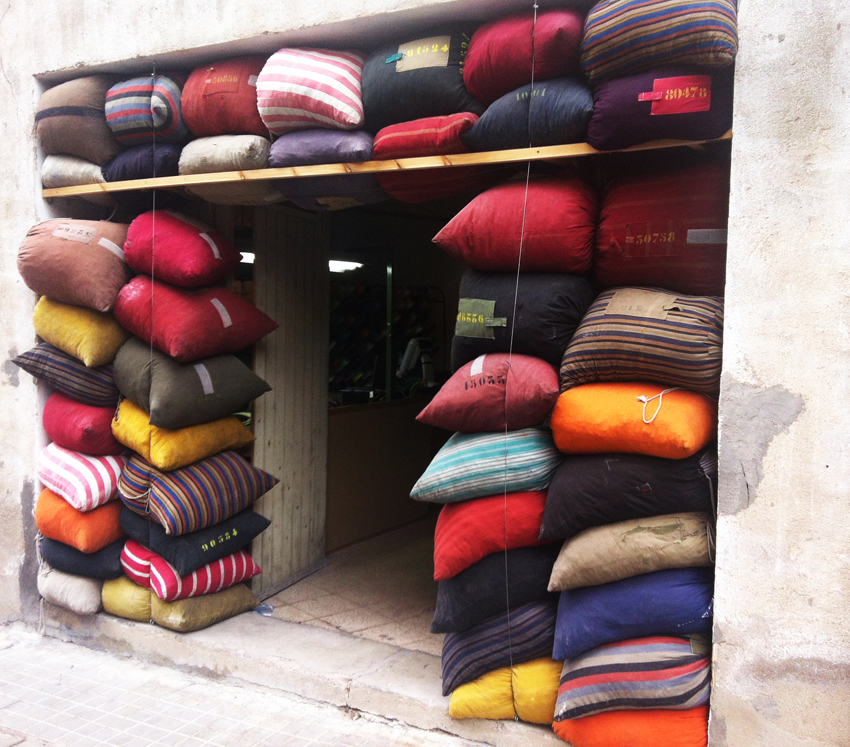
By the end of 2011, after seven years of rehabilitation, Moritz opened the door to a unique space that recovers the origins of its artisan production steeped in the iconography of Barcelona. The space of 4,500 m2 has been redesigned by the hand of Jean Nouvel and divided by spaces dedicated to the brewery and Moritz link to the culture and leisure of Barcelona.

In the borough of Sant Antoni, the space highlights for its many possibilities. In the cellar there is a microbrewery originally built in 1856 in which you can observe the process and make free guided tours. On the main floor, we found the brewery and restaurant as well as the «M» Store, Sala 39, the Daily Zone and the Bar à vins.

The restaurant has a menu of Catalan and Alsatian food (homeland of the founder Louis Moritz), designed to match with the varieties of beer Moritz. The «M» Store, that will be open in October, invites you to see the merger of the beer iconography with other brands such as Brompton, which was the first to submit the bike model Brompton by Moritz. This space is open to products and events related to the design and creativity. The Sala 39 is open to leisure and cultural events in which creativity and genuine modernity create a unique club in the city. The Daily Zone is a space in which to read new magazines of design, culture, art and cuisine that also offers an assortment of artisan breads and the possibility of filling a glass of fresh non-pasteurized beer. This recovers the ancestral origin of the beer as «liquid bread». Finally, the Bar à vins, which will officially open its doors on September 18, wants to be a wine tasting room with over 400 references available by weight, glass or bottle accompanied by specialized sommeliers.

Its commitment to leading the brewing industry of the city and its link with the design and creativity presents endless options and future projects as a cuisine classroom, an atelier and the Moritz Think Tank. Should be added that the company’s offices are located over all this great meeting place for beer, culture and design, making it clear that the entire building and its surroundings breathe the environment and the brand identity.

—-

A finales del 2011, después de 7 años de rehabilitación, Moritz abrió las puertas de un espacio único con el que recupera los orígenes de su elaboración artesana impregnados de la iconografía barcelonesa. El espacio de 4.500 m2 ha sido rediseñado de la mano de Jean Nouvel y se divide por espacios dedicados a la cervecería y al vínculo de Moritz con la cultura y ocio de Barcelona.

En pleno barrio de Sant Antoni, el espacio destaca por sus múltiples posibilidades. En el  sótano se presenta una microcervecería de 1856 en la que se puede observar el proceso de elaboración, así como hacer visitas guiadas gratuitas. En la planta principal, encontramos la cervecería y restaurante, así como la «M» Store, la Sala 39, la Zona Daily y el Bar à vins.

El restaurante presenta una carta de comida catalana y alsaciana (tierra de origen del fundador Louis Moritz), ideada para combinar con las variedades de cerveza Moritz. La «M» Store, que se inaugurará en octubre, invita a conocer la fusión de la iconografía de la cerveza con otras marcas como Brompton, que fue la primera en presentar su modelo de bicicleta Brompton by Moritz. Este espacio queda abierto a productos y eventos relacionados con el diseño y la creatividad. La Sala 39 queda abierta a eventos de ocio y culturales en los que la creatividad y la modernidad crean una sala genuina en la ciudad. La Zona Daily es un espacio en el que hojear las nuevas revistas de diseño, cultura, arte y gastronomía que además ofrece un surtido de panes artesanos y la posibilidad de llenarse un vaso de cerveza fresca sin pasteurizar. Así se recupera el origen ancestral de la cerveza como «pan líquido». Por último, el Bar à vins, que abrirá oficialmente sus puertas el 18 de septiembre quiere ser un espacio de degustación de vinos con más de 400 referencias disponibles por peso, copa o botella acompañado por someliers especializados.

Su apuesta por liderar el sector cervecero de la ciudad y su vínculo con el diseño y la creatividad abre a la marca infinitas opciones y futuros proyectos como una aula gastronómica, un atelier y el Moritz Think Tank. Cabe añadir, que las oficinas de la empresa están situadas sobre todo este gran espacio de encuentro de la cerveza, la cultura y el diseño, por lo que es evidente que el edificio entero y sus alrededores respira el ambiente y la imagen de la marca.

Surprise factor: the most fleeting emotion // Factor sorpresa: la emoción más fugaz

Many brands are working on innovation to look forward to surprise and to catch the attention of users. Obviously, with this «infoxication» in which we live, stealing some seconds of the public attention makes this step a career full of competition. But how our body deals with something that surprises us?

First, according to the psychologist Paul Ekman of the University of California – mentioned in an article of the Spanish magazine Muy Interesante-, surprise is the most fleeting emotion. This prepares us for new developments, unexpected and perhaps greater than  imagined.

Noradrenaline prepares our brain to be alert to any stimulus and able to react properly. Endocrine glands release hormones, increase our heart rate and prepare for an intensive breathing. But all this only lasts a moment, because immediately our body will classify the event giving way to other emotions such as anger, fear or joy. However, surprise may always be short, because for our body would be too stressful and counterproductive living in a continuous state of surprise. Our body wouldn’t be able to react if there weren’t any known stimulus to interact with.

The surprising ability of a brand is key to promote innovation and to encourage interaction with visitors. Surprise is exciting and the state in which we have increased chances for remembering those moments and beyond. If we manage that surprise factor during the buying process to create positive memories, it will be a breakthrough for the relationship with the user and its engagement. And that can be generated, sometimes just changing or rearranging the parts of the process, seeking alternatives to ordinary formulas. Could there exist a bakery that opens just in the early hours -as did traditional bakers-? Or a hairdresser that doesn’t cut your hair? Or an open-air gym?

—-

Numerosas marcas trabajan la innovación buscando sorprender y captar la atención de los usuarios. Normal, con la «infoxicación» en la que vivimos, poder robar unos segundos de atención del público convierte este paso en una carrera llena de competencia. Pero, ¿cuál es el proceso que sigue nuestro organismo ante algo que nos sorprende?

En primer lugar, según el psicólogo Paul Ekman de la Universidad de California – como cita un artículo de Muy Interesantela sorpresa es la emoción más fugaz. Ésta nos prepara para acontecimientos nuevos, inesperados y quizás mayores de lo que imaginamos.

La noradrenalina hace que el cerebro esté atento a cualquier estímulo y sea capaz de reaccionar. Las glándulas endocrinas liberan hormonas, aumentan nuestras pulsaciones y nos preparamos para una respiración más intensa. Pero todo ello sólo dura un momento, pues justo después podremos catalogar el suceso, dando paso a otras emociones como la ira, el miedo o la alegría. Para bien o para mal, la sorpresa sólo puede ser breve, pues para nuestro organismo sería demasiado estresante y contraproducente vivir en un estado contínuo de sorpresa. El cuerpo no sería capaz de reaccionar si no hubiera estímulos conocidos con los que interactuar.

La capacidad de sorprender de un negocio es clave para promover la innovación y  estimular la relación con los visitantes. La sorpresa es emocionante y el estado en el que nos dispone aumenta las posibilidades de que recordemos esos instantes y los posteriores. Si conseguimos que esa sensación de sorpresa durante el proceso de compra lleve a recuerdos positivos, será un gran avance para la relación con el usuario y su fidelización. Y ello puede generarse, a veces, simplemente variando las piezas del proceso u reordenándolo, buscando fórmulas alternativas a lo común. ¿Podría haber una panadería que sólo abriera a primera hora -como hacían los panaderos tradicionalmente-? ¿Una peluquería en la que no se corte el pelo? ¿Un gimnasio al aire libre?

Doing things well will never be old fashioned // Hacer las cosas bien nunca pasará de moda

Paul’s Hat Works in San Francisco via http://mistercrew.com

Paul’s Hat Works in San Francisco via http://www.thebolditalic.com/

Paul’s Hat Works in San Francisco via diggstatic.com

Paul’s Hat Works in San Francisco via http://www.thebolditalic.com/

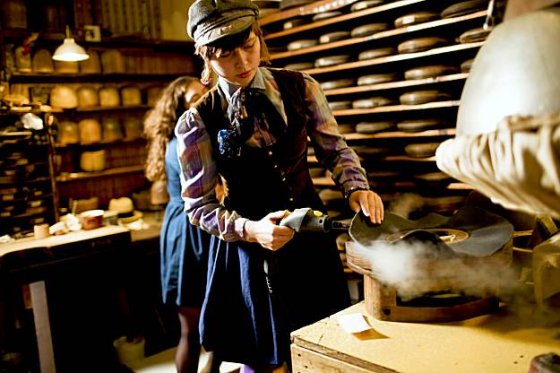
«In a time where traditions have faded, where people avoid eye contact on the streets and heads remain barren & cold, four women have set out on an adventure to revive tradition, to unify the people and to bring the hat back.” So explains the reason for their existence in Paul’s Hat Works, a hat shop in San Francisco with nearly 100 years of history, that wants to recover, dignify and renew the use of this accessory full of elegance.

Since its opening in 1918, the store has maintained its beauty and craft tradition carefully to the point that entering into this hat shop is making a visit to the «Roaring Twenties». Its current owners, Abbie Dwelle, Wendy Hawkins, Olivia Griffin and Kirsten Hove, are a clear representation of vintage elegance and innovation that doesn’t turn back on craft tradition. Not only that, but have been able to create a space that goes beyond the sale of hats, as they serve coffee, teach users the secrets of hats and offer an open studio and gala opportunities for the neighborhood and visitors.

Their dedication is committed to personalized service and the creation of custom pieces that fit the needs of each user. So, do not sell over the Internet because they want to satisfy every customer in person, using tools and techniques with over one hundred years of history. Perhaps it is an «old fashioned» tradition, but certainly the one that spends more time and care to details and customer satisfaction. At the end of this post you’ll find a video they made in late 2011 to raise funds to open a new hat shop in New York throughout this year 2012.

—-

«En una época donde las tradiciones se han desvanecido, donde la gente evita el contacto visual en las calles y los jefes siguen siendo áridos y fríos, cuatro mujeres se han embarcado en una aventura para revivir la tradición, para unificar al pueblo y traer el sombrero de vuelta.» Así explican el motivo de su existencia en Paul’s Hat Works, una sombrerería en San Francisco con casi 100 años de historia, que quiere recuperar, dignificar y renovar el uso de este complemento lleno de elegancia.

Desde su apertura en 1918, el establecimiento ha mantenido su estética y tradición artesanal y cuidadosa hasta tal punto, que adentrarnos en su sombrerería es hacer un visita a los maravillosos años ’20. Sus actuales propietarias -Abbie Dwelle, Wendy Hawkins, Olivia Griffin y Kirsten Hove- son una clara representación de la elegancia vintage y de la innovación que no da la espalda a la tradición artesana. No sólo eso, sino que han sido capaces de crear un espacio que va más allá de la venta de sombreros, pues sirven café, enseñan a los usuarios los secretos de los sombreros y ofrecen un estudio abierto y oportunidades de gala para todo el vecindario y visitantes.

Su dedicación apuesta por el trato personalizado y la creación de piezas a medida que se ajusten a las necesidades de cada usuario. Por eso, no venden a través de Internet pues quieren satisfacer a cada cliente en persona, usando herramientas y técnicas con más de cien años de historia. Quizás es una costumbre «pasada de moda», pero sin duda, la que dedica más tiempo y cuidado a todos los detalles y a la satisfacción del usuario.

A continuación, os dejamos con un vídeo que realizaron a finales de 2011 para recaudar fondos para abrir una nueva sombrerería en Nueva York a lo largo de este año.


Our website is coming! // ¡Nuestro website está al caer!

We are finalizing the details of our new website to have it at 100% near the end of summer (first fortnight of September). If you do not want to miss the release, leave us your email in our launching site.

—-

Estamos ultimando los detalles de nuestro nuevo website para tenerlo al 100% a finales de verano (primera quincena de Septiembre). Si no quieres perderte el lanzamiento, déjanos tu email en nuestro launching site.

Sponsorship Activation, another brand extension // Activación de patrocinios, una extensión más de la marca

For a better understanding and to complete all those elements linked to the brand experience that influence the buying process, we will count with the collaboration of experts that will introduce concepts that will improve our business development, from different disciplines and points of view. Today we are pleased to introduce a text of Noelia Cabezas, project manager on business innovation ideas.

«The current trend in communication, is to use the activation of sponsorship as an extension of the brand, to make branding.»

SPONSORSHIP (just plain), is no longer enough.
In the old school the leadership of a sponsorship offers to the client or to the sponsoring brand different positions to provide visibility and activate the brand.

ACTIVATION AND ENTERTAINMENT / SPONSORSHIP ACTIVATION AND BRANDED ENTERTAINMENT, is what creates value today in any sponsorship.
Is the current proposal and future projection to enhance the communication of any brand. A global vision, a distinctive design, the integration in new media, entertainment and user experience, create synergies that connect audiences with the sponsorship and the sponsor.

A client seeking the sponsorship is to go beyond the screen, to echo in different media and thereby obtain returns above all. Not an easy task, since the activation of sponsorship needs to find its starting point, synergy between the event / brand / sponsored person and the sponsoring brands. The key is to follow a methodology suitable for bonding both brands and launch a single message that connects with the user.

Activation is an opportunity that generates dialogue connecting with the public in a context that the audience has chosen and wants to enjoy.

The benefits of doing a sponsorship activation are: obtaining best return on investment, ROI and generating diffusion in the several media.

The advantage of using the Sponsoship Activation as an extension of the brand generates:
– Interaction
– CRM
– Sales promotion
– Information and dialogue
Branding

An added value that we propose is to work closely with the brand and the sponsorship to achieve:
– Live events
– Competitions
– Cross-Promotions
– Contents
– Videos
– Social Media

The Sponsorship Marketing Awards recognizes excellence in sponsorship, marketing and activation of it, generating publicity and always a clear access to the user.

The result of performing a proper activation of sponsorship is to increase the profitability of the brand and the sponsorship. That is achieved by aligning the points mentioned above, launching a single message, generating business opportunity through activation (dialogue and user experience), diffusion beyond the screen and the branding that remains in the user memory.

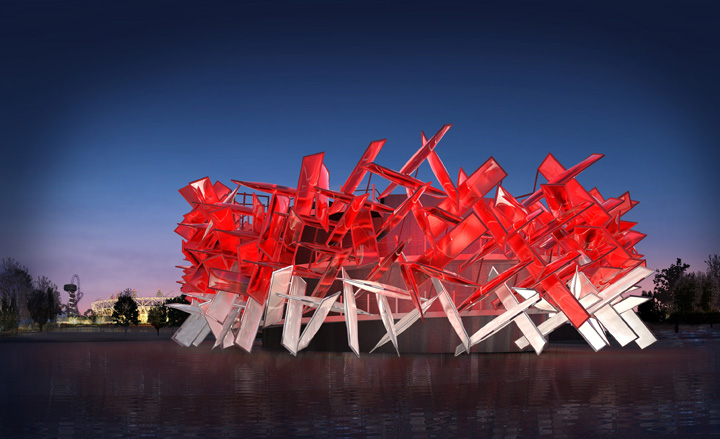
One of the best integrations of sponsorship activation, is the one of Coca-Cola in the Olympic Games in 2012.
Its application in 360° format has a clear the impact and visibility of a previous strategic plan of marketing and communication.

Pernilla & Asif studio has presented the design of a pavilion that can interact as a musical instrument.

The design, structure and thematic is fully aligned to the Olympics.

The user experience, interaction with the brand, entertainment, broadcasting and integration of new media, are the key facts of this spectacular action.

Its strategic approach and media coverage, have been key to creating with the artist Mark Ronson, the event’s commercial song, Move to the Beat of London 2012, integrating young athletes and artists.

The potential is having experience with brands and sponsors, an analytical personality, innovative, creative, with sensitivity to consumer trends and clear communication skills.

—-

Para completar y entender mejor todos los elementos vinculados a la experiencia de marca que inciden en el proceso de compra, contaremos con la colaboración de expertos que nos irán introduciendo, desde distintas disciplinas y visiones, conceptos que nos ayudarán a construir mejor nuestro negocio. Hoy estamos encantados de presentaros un  texto de Noelia Cabezas, project manager de ideas de innovación para empresas.

“La tendencia actual en comunicación, es utilizar la activación de patrocinio como una extensión más de la marca, para hacer branding.”

PATROCINIO (y punto), ya no es suficiente.
En la old school la dirección del patrocinio propone al cliente o marca patrocinadora diferentes posicionamientos para dar visibilidad y activar la marca.

ACTIVACIÓN Y ENTRETENIMIENTO / SPONSORSHIP ACTIVATION AND BRANDED ENTERTAINMENT, es lo que hoy en día crea valor en cualquier patrocinio.
Es la actual propuesta y proyección de futuro para potenciar la comunicación de cualquier marca. Una visión global, un diseño diferenciador, la integración en nuevos medios, el entretenimiento y la experiencia de usuario; crean sinergias que conectan a la audiencia con el patrocinio y el patrocinador.

Un cliente lo que busca con el patrocinio es ir más allá de la pantalla, hacer eco en diferentes medios y sobre todo obtener rentabilidad con ello. No es una tarea fácil, pues la activación de patrocinio necesita encontrar su punto de arranque, sinergia entre el evento/marca/personaje patrocinado y la marca patrocinadora. La clave es seguir una metodología adecuada para unir ambas marcas y lanzar un mensaje único que conecte con el usuario.

La activación es una oportunidad que genera diálogo conectando con el público dentro de un contexto que la audiencia ha elegido y quiere disfrutar.

Los beneficios de realizar una activación de patrocinio es: obtener mejor retorno de inversión, ROI, generando difusión en los diferentes medios de comunicación.

La ventaja de utilizar la Sponsoship Activation como una extensión más de la marca es generar:
−  Interacción
−  CRM
−  Promoción de ventas
−  Información y diálogo
−  Branding

Un plus que proponemos es trabajar en estrecha relación con la marca y el patrocinio para conseguir:
−  Live events
−  Concursos
−  Promociones cruzadas
−  Contenidos
−  Vídeos
−  Redes sociales

En los Sponsorship Marketing Awards reconocen la excelencia del patrocinio, en la comercialización y activación del mismo, generando publicidad y siempre un claro acceso al usuario.

El resultado de realizar una correcta activación de patrocinio es incrementar la rentabilidad de la marca y el patrocinio. Que se consigue alineando los puntos citados anteriormente; lanzar un mensaje único, generar oportunidad de negocio mediante la activación (diálogo y experiencia del usuario), una difusión más allá de la pantalla y el branding de la marca que permanece en la memoria del usuario.

Una de las mejores integraciones de la activación de patrocinio, Coca-Cola en los Juegos Olímpicos de Londres 2012.

Su aplicación en formato 360º ha tenido la repercusión y notoriedad clara de un proyecto estratégico de marketing y comunicación previo.

Pernilla & Asif han presentado el diseño de un pabellón con el que se puede interactuar como instrumento musical.

Su diseño, estructura y temática totalmente alineada a los Juegos Olímpicos.

La experiencia de usuario, la interacción con la marca, el entretenimiento y la difusión e integración con los nuevos medios, son la clave de esta espectacular acción.

Su planteamiento estratégico y repercusión mediática, han sido clave para crear junto al artista Mark Ronson, la canción comercial del evento, Move to the Beat of London 2012, integrando a deportistas y jóvenes artistas.

El potencial es tener experiencia en marcas y sponsors, una personalidad analítica, innovadora, creativa, con sensibilidad por las tendencias de consumo y unas claras dotes de comunicación.

The Coca-Cola beatbox, LONDON 2012 via http://www.hiperarquitectura.com

The Coca-Cola beatbox, LONDON 2012 via http://www.plataformaarquitectura.cl/

The Coca-Cola beatbox, LONDON 2012 via http://www.hiperarquitectura.com

Temps suspendu: Hermès vs Hermes

For a better understanding and to complete all those elements linked to the brand experience that influence the buying process, we will count with the collaboration of experts that will introduce concepts that will improve our business development, from different disciplines and points of view. Today we are pleased to introduce a text of Elena Rocchi, architect, artist and teacher.

There are small actions that give to us as designers the ability to make a transversal reflection between knowledge, occupation and age. Reflection requires a suspended time. Mr. Alvaro (Siza) is impressed on how in our time there is a hurry to finish everything quickly. For some time now, I agree with him. I am an architect. In my work there is never time to finish the good work. Perhaps Architecture and Interior Design will now suffer because of the rush. Architects are freaks of drawing and redrawing, this obsession to retain the good ideas, enjoying the slow time of the working hypotheses. Difficult task, because at the end of the day you have to mediate with the width of the street …

Here I will deal with a slower theme, almost suspended.

Italo Calvino, in his posthumous book «Six Memos for the Next Millennium» opens the book talking about «taking weight» as an attitude to the new time in which we live right now, as well as designers. Speaks of Pegasus, the winged horse born from the blood of Medusa, and Hermes with winged feet, light, air, deft, agile, adaptable, all equipped to «run» from one side to another and to establish relationships between men and their gods. The most similar to our Internet. At a era when there was not even Nokia, Calvino spoke of the speed of Hermes as an ingredient to be carried the future. And yes, we took it.

At the end of the chapter on the speed, Calvino quotes a Chinese story about the artist Chuang-Tzu to whom one day a king ordered the drawing of a crab. Chuang-Tzu told the king he needed five years. After 5 years, the picture was not even begun. «I need another five years,» said the king. On termination of the time a total of ten years, Chuang-Tzu took a brush, and instantly drew the most perfect crab ever had seen.

Quite the opposite of what would happen in our time where we «domiciled» the idea of velocity (Paul Virilio, the vitesse)… Today everything is fast. We do not have a king to ask him ten years to draw a crab. And if we shoot at this speed in which we are involved, we would fall like a top.

Almost all of our scenarios are stuck in this change that has altered «the relationship» between the two times spoken of by the Chinese story: the fast and the suspended, deeply linked to each other in a matter of settling, maturation and separation of the impatience and ephemeral contingency as Calvino tells us.

By turning the world, I find devices that can interpret in another way the direction of these changes.

Hermès/French Fashion for example, speaking of Hermes/Mercury.

In 2009, Hermès sets a time to make a stop on their way to see which is the model that they will apply in their company trip, as a way to professionalizing and personalizing it.

At the 24 of the Rue du Faubourg Saint-Honore in Paris, a clock suspended, La Pendulette Boule, presided over the old desk of Émile Hermès Maurice (1871-1951), a man who collected objects which had in common emotion, tradition and modernity.

A suspended a clock witnessed the birth of this company that deals with the time since 1912, when he made his first strap of a pocket watch that «… agree to postpone the release of a scarf one year to allow a craftsman to perform well his work. «

The handcrafted «Do» by Hermès is well known for its «Kelly bag«. I had boyfriend who was an artisan of leather bags that took almost three days to reproduce one of them… But in the 80s, for all those who «did» things with their hands, seemed normal to spend more time on learning how to do something. 17,000 enrolled in the faculty of Architecture, we were aware that only a small percentage was going to complete their studies to meet the requirement of patience in repeating and repeating and repeating things in a long time, a fundamental condition for the training in our profession. Embarking on the training of architects was knowing that hurry wasn’t worth at all. But neither served for the necessary rest that ideas need.

In an age where time is the real luxury of today’s society, in December 2011 Hermès organized near the Great Wall of Beijing an «altered» and «custom» (re)presentation of time through the clock «Temps Suspendu«. Those who attended to the (re)presentation experienced the «forget» of the actual time to enter into «Hermès» time, using the imagination. The event was to launch the clock «Suspended time», a watch that sometimes acts like «forgetting» for a moment of the present, through a mechanism, and altering the time it takes. Pressing a button at 9, there is the illusion of «suspending time» at 12 while the calendar simply «disappears» from view.

Hermès’ relationship with time has nothing to do with the quantity but quality. From the drawing of the products to their stores. The experience that Hermès wants to give to those buying Hermès is accompanied by a «warm» time. It’s like when you date with the man of your life. The most important thing is this suspended time you will spend with him.

The interpretation of time by Hermès is also the starting point of the design of its stores. Several designers who are called to design them, should think on their designs with an attitude: «Temps Suspendu» as time to dream, without stress.

Hermès’ obsession in trying to draw «humanized» objects in the context of a world ruled by the impersonal is reflected in the scale of their shops and storefronts. Works in their stores with designers who think spaces where people can feel with all their senses. An example is the collaboration with the multidisciplinary artist and industrial designer Tokujin Yoshioka, a very special artist who in his youth visited the Chapelle du Rosaire whose light is nourished by the stained glass of Matisse.

The shopwindow at the Maison Hermès in Japan by Tokujin designed for the french fashion company is a «moment of emotion» in a time suspended.

One of the most famous actress in Japan is on screen and in front of her, a scarf of the new collection. Nothing more. Digital + Analog, both literally suspended, both rectangular, same height, one opposite to the other (one in color, the other in black and white).

An instant of the duration of a breath that will be remembered for that matter, absorbed in their haste to go from one place to another «running (without wings)» and stops to wait for the blow and the magic happen again and again. Hermès vs Hermes.

My mother has an Hermès scarf given by my father in the 80’s, bought in Paris. Blue and gold. I know the feeling of wearing a Hermès scarf around the neck.

But even if I didn’t, the repeated contemplation of that light and delicate breath makes imagining it during the duration of the suspended time, which then you will end up buying: the feeling of that silk. This is design. It is talking about peripheral and dreamy perceptions.

These projects make the user time to a standstill, even the movement keeps running. As the clock button that makes disappear time that we spoke above. Freeze the time of reality and pass to be in your own time. Pierre-Alexis, the 6th generation of Hermès speaks of «a slower time». Slow time, quick time, time to enjoy … All this is Hermès. It is the same pleasure wearing a cashmere sweater or having a beautiful leather accessory. You’re at your own time, and that’s important … It seems that Hermès is like a refuge».

Can we, in our time of Vitesse where everything is fast and in continuous motion with no  stopping signals, stop time?

Can we freeze for a moment the Vitesse, as in the paradox of Zeno’s arrow, where if you look at each position where the arrow is for an instant of its movement to reach its goal, paradoxically it does not move?

Can we stop for a moment the other moments that are happening?

The future world will be a world where differences will be minor. Has started a new process of «changing attitudes» that everyone can analyze in their own small laboratory of taking decisions. Suspend time and say: «I want to be this.»

Elena Rocchi

—-

Para completar y entender mejor todos los elementos vinculados a la experiencia de marca que inciden en el proceso de compra, contaremos con la colaboración de expertos que nos irán introduciendo, desde distintas disciplinas y visiones, conceptos que nos ayudarán a construir mejor nuestro negocio. Hoy estamos encantados de presentaros un  texto de Elena Rocchi, arquitecta, artista y profesora.

Hay pequeñas intervenciones que dan a nuestra condición de diseñadores la posibilidad de hacer una reflexión transversal entre saber, profesión y época. Una reflexión necesita de un tiempo suspendido. Don Álvaro (Siza) se impresiona de cómo en nuestro tiempo hay prisa por acabar todo rápidamente. Desde hace un tiempo, estoy de acuerdo con él. Soy arquitecta. En mi trabajo nunca hay el tiempo para acabar bien los trabajos. Quizás la Arquitectura y el Diseño de Interiores sufren ahora por culpa de las prisas. Los arquitectos somos unos maniáticos de dibujar y redibujar, por esta obsesión de conservar las buenas ideas, de disfrutar del tiempo lento de las hipótesis de trabajo. Difícil tarea, porque al final del día hay que mediar con el ancho de la calle…

Aquí trataré un tema más lento, casi suspenso.

Italo Calvino, en su póstumo libro “Seis propuestas para el próximo milenio” abre el libro hablando de “quitar peso” como actitud para el nuevo tiempo en el que vivimos ahora, también como diseñadores. Habla de Pegaso, el caballo alado nacido de la sangre de Medusa, y de Hermes con alas en los pies, ligero, aéreo, hábil, ágil, adaptable, todo equipado para “correr” de un lado al otro y establecer relaciones entre los hombres y sus dioses. Lo más parecido a nuestro Internet. En una época en la que ni siquiera existía Nokia, Calvino hablaba de la rapidez de Hermes como ingrediente para llevarse al futuro. Y sí, nos lo llevamos.

Al final del capítulo sobre la rapidez, Calvino cita un cuento chino sobre el dibujante Chuang-Tzu al cual un día un rey pidió el dibujo de un cangrejo. Chuang-Tzu le dijo al rey que necesitaba cinco años. Después de 5 años, el dibujo ni siquiera estaba empezado. “Necesito otros cinco años”, le dijo al rey. Al pasar los diez años, Chuang-Tzu cogió un pincel, y en un instante dibujó el cangrejo más perfecto que jamás se hubiera visto.

Todo lo contrario de lo que ocurriría en nuestra época donde hemos “domiciliado” la idea de velocidad (Paul Virilio, la vitesse)… Hoy todo es rápido. Ya no tenemos un rey al que pedirle diez años para dibujar un cangrejo. Y si dejamos de rodar a esta velocidad en la que estamos metidos, como una peonza, nos caeríamos.

Casi todos nuestros escenarios son atrapados en este cambio que ha alterado “la relación” entre los dos tiempos de los que hablaba el cuento chino: el rápido y el suspendido, el uno ligado profundamente al otro en cuestión de sedimentación, maduración y separación de la impaciencia y contingencia efímera, así como nos cuenta Calvino.

Dando vueltas por el mundo, encuentro dispositivos que saben interpretar de otra manera la dirección de estos cambios.

Hermès/moda francesa por ejemplo, hablando de Hermes/Mercurio.

En 2009 Hermès fija un momento en el que hacer un alto en su camino para ver cuál es el modelo que aplicará en su viaje de empresa, como forma de profesionalización y personalización de la misma.

En el 24, Rue du Faubourg Saint-Honoré, en París, un reloj suspendido, La Pendulette Boule, presidía la antigua mesa del despacho de Émile-Maurice Hermès (1871-1951), un hombre que coleccionaba objetos que tenían en común emoción, tradición y modernidad.

Un reloj suspendido fue testigo del nacimiento de esta empresa que trata con el tiempo desde 1912, cuando realizó su primera correa para un reloj de bolsillo y que «…acepta posponer el lanzamiento de un fular un año para permitir que un artesano realice bien su trabajo».

El “Hacer” artesanal de Hermès es famoso por el bolso “Kelly”. Tuve un novio artesano de bolsos de piel que tardaba casi tres días en reproducir uno de ellos… Pero en aquellos años ’80, a todos aquellos que “hacíamos” las cosas con nuestras manos, nos parecía normal tardar en aprender a hacer algo. 17.000 inscritos en la facultad de arquitectura, éramos concientes que sólo un pequeño porcentaje iba a completar sus estudios por cumplir el requisito de la paciencia en repetir y repetir y repetir las cosas en un tiempo largo, condición fundamental de la formación en nuestra profesión. Embarcarse en la formación de arquitecto era saber que tener prisa no servía para nada. Pero sobre todo no servía para el necesario poso que necesitan las ideas.

En una época donde el tiempo es el auténtico lujo de la sociedad actual, en diciembre de 2011 Hermès organiza cerca de la Gran Muralla en Pekín una (re)presentación “alterada” y “personalizada” del tiempo a través del reloj “Temps Suspendu”. Quien asistió a la (re)presentación experimentó “olvidar” el tiempo real para entrar en el tiempo “Hermès”, usando la imaginación. El evento fue para el lanzamiento del reloj del “Tiempo suspendido”, un reloj que a veces “olvida” por un instante, a través de un mecanismo, el momento presente y altera el tiempo del que lo lleve. Presionando un pulsador a las 9, se produce la ilusión de «suspender el tiempo» a las 12 a la vez que el calendario simplemente “desaparece” de la vista.

La relación de Hermès con el tiempo no tiene que ver con la cantidad, sino con la calidad. Del dibujo de los productos a sus tiendas. La experiencia que Hermès quiere dar a los que compran Hermès va acompañada de un tiempo “cálido”. Es como cuando quedas con el hombre de tu vida. Lo mas importante será ese tiempo suspendido que pasarás con él.

La interpretación del tiempo por parte de Hermès es el punto de partida también del diseño de sus tiendas. Varios diseñadores que son llamados a proyectar, deben reflexionar con sus diseños sobre una actitud: “Temps Suspendu” como tiempo para soñar, sin estrés.

La obsesión de Hermès por intentar dibujar objetos “humanizados” en el contexto de un mundo regido por lo impersonal, se refleja en la escala de sus tiendas y sus escaparates. Trabaja para sus tiendas con diseñadores que piensan espacios donde las personas puedan sentir con todos sus sentidos. Un ejemplo es el de la colaboración con el artista multidisciplinar y diseñador industrial Tokujin Yoshioka, un artista muy especial que en su juventud visitó la Chapelle du Rosaire cuya luz es alimentada por los vitrales de Matisse.

El escaparate en la Maison Hermès de Japón que Tokujin diseñó para la empresa de moda francesa es un “momento de emoción” en un tiempo suspendido.

Una actriz de las más famosas en Japón está en pantalla y delante de ella, un pañuelo de la nueva colección. Nada más. Digital + Analógico, ambos suspendidos literalmente, ambos rectangulares, misma altura, uno el opuesto del otro (uno en color, el otro en blanco y negro).

Un instante de la duración de un soplo que quedará en la memoria de el que pasa, absorbido en su rapidez de ir de un lugar a otro “corriendo (sin alas)” y que se para a esperar a que el soplo y la magia ocurran una y otra vez. Hermès delante de Hermes.

Mi madre tiene un pañuelo Hermès que le regaló mi padre en los años ’80, comprado en París. Azul y oro. Sé cuál es la sensación de llevar un pañuelo Hermès al cuello.

Pero aunque no la supiera, la contemplación repetida de aquel ligero y delicado soplo hace imaginar durante el rato que dure el tiempo suspendido, lo que luego acabarás comprando: la sensación de una seda. Esto es diseño. Es hablar de percepciones periféricas y ensoñadas.

Estos proyectos hacen que el tiempo del usuario se paralice, aunque el movimiento siga corriendo. Como el pulsador del reloj que hace desaparecer el tiempo del que hablaba más arriba. Congelas el tiempo de la realidad y pasas a estar en el tuyo. Pierre-Alexis, de la 6ª generación Hermès, habla de “Un tiempo más lento. Tiempo lento, tiempo rápido, tiempo para disfrutar… Todo eso es Hermès. Resulta el mismo placer que ponerte un suéter de cachemir o tener un hermoso accesorio de piel. Estás en un momento para ti, y eso es importante… Parece que Hermès es como un refugio”.

¿Podemos, en nuestro tiempo de Vitesse donde todo es rápido y en movimiento contínuo sin señales de detenerse nunca, suspender el tiempo?

¿Podemos congelar por un momento la Vitesse, como ocurre en la paradoja de la flecha de Zenón, donde si analizamos cada posición en la que se encuentra la flecha durante un instante de su movimiento para alcanzar su objetivo, paradójicamente ella no se mueve?

¿Podemos por un momento parar a los demás instantes que se sucedan?

El mundo del futuro será un mundo donde las diferencias serán menores. Ha comenzado un proceso nuevo de “cambio de actitudes” que cada uno puede analizar en su pequeño laboratorio personal en el que toma sus decisiones. Suspender el tiempo y decir: “ yo quiero ser esto”.

Elena Rocchi

Dialogues on the future of retail part III // Diálogos sobre el futuro del retail parte III

This is the third and last part of a series of dialogues between Marc Guitart and Erika Herrera thinking about the future of retail. Did you read the first and the second part?

MG: Independent retailers who know how to differentiate are gaining a lot of weight on the market. Probably because they are investing more on innovation and close dealing as a differential value of your business.

EH: Yes, in every aspect: from the store design to service. But mostly I find that independent retailers have become a kind of curators, as in museums. That is, there are so many options to count on, that betting for distinguishing from the crowd, constantly making a shortlist of the best products and innovations to present to users. An example that comes to mind is Late Night Chameleon Café, a concept store in London that cures products from different designers and displays them in a new space that invites to be shared.

MG: Yes, and are obvious the improvements they bring to one place. The opening of singular spaces, no doubt, glads neighbors and spreads, reaching even to transform entire neighborhoods as in the case of Borough and Bermondsey in London or the Borne in Barcelona.

EH: Innovation is contagious, it is perhaps its best feature. Invites and strengthens competition. That is, going from shop to shop, from window to window.

MG: This may give us clues about the future of retail that we are talking about… If before we thought that large surfaces would end up with traditional commerce, today we have great doubts of the model of large malls, while the online stores keep upscaling.

EH: I don’t think that the physical space will disappear. However, the retail will be increasingly be digital and global. There will be a better integration of the channels. Therefore, stores must evolve to become the basis of the user experience by integrating technologies to enhance the benefits perceived by users.

MG: Sure, as they bet for consistency and a positive experience surrounded, retail strategic planning will be in the right direction, regardless of the support or channel. Methodology and service and processes design help to strengthen the link with the user and make him partaker of it. There is still much to do and users are willing to feel it!

—-

Ésta es la tercera y última parte de una serie de conversaciones entre Marc Guitart y Erika Herrera reflexionando sobre el futuro del retail. ¿Leíste la primera y la segunda parte?

MG: Los retailers independientes que saben diferenciarse están ganando mucho peso en el mercado. Es probable que sea porque están apostando mucho más por la innovación y el trato cercano como valor diferencial de su negocio.

EH: Sí, en todos los aspectos: desde el diseño de la tienda hasta el servicio. Pero sobre todo me parece que los retailers independientes se han convertido en una especie de curadores, como en los museos. Es decir, son tantas las opciones con las que se cuentan que, apostando a distinguirse entre la multitud, constantemente hacen una preselección de los mejores productos e innovaciones para presentarlas a sus usuarios. Un ejemplo que me viene a la mente es Late Night Chamaleon Café; una concept store en Londres que cura productos de diferentes diseñadores y los exhibe en un espacio novedoso que invita a ser compartido.

MG: Sí, y son evidentes las mejoras que aportan a un lugar. La apertura de espacios singulares, sin duda, alegra a los vecinos y se contagia, llegando incluso, a transformar barrios enteros como en el caso de Borough y Bermondsey en Londres o el Borne en Barcelona.

EH: La innovación es contagiosa, tal vez es su mejor característica. Invita y fortalece la competencia. Es decir, pasa de tienda en tienda, de aparador en aparador.

MG: Todo ello quizás nos da pistas sobre este futuro del retail del que hablamos…Si antes pensábamos que las grandes superfícies acabarían con el comercio tradicional, hoy tenemos dudas del modelo de grandes superficies, mientras las tiendas online siguen escalando posiciones.

EH: En ningún momento creo que el espacio físico se vaya a perder. Sin embargo, el retail será cada vez más digital y global. Habrá una mejor integración de los canales. Por lo tanto, las tiendas deben de evolucionar para convertirse en la base del la experiencia del usuario, integrando las tecnologías que permitan enriquecer los beneficios percibidos por los usuarios.

MG: Claro, mientras se apueste por la coherencia y por una experiencia positiva envolvente, la planificación estratégica del retail irá por el buen camino, sea cual sea su soporte o canal. La metodología y el diseño del servicio y procesos ayudarán a reforzar el vínculo con el usuario y a hacerlo partícipe de ello. Aún hay mucho por hacer y los usuarios están deseando sentirlo!