brandcelona manifesto

1. Grow taking care of the needs and motivations of your users without losing the vision of your business. As the Canadian poet Laurence J. Peter quoted «If you don’t know where you’re going, you will probably end up somewhere else.»

2. Design your service turning it into something fast, comfortable and flexible for your users. Time is our scarcest commodity so let’s make the time users spend with us profitable and satisfying.

3. Know well your industry, your team and your users and share your experience. Knowledge is useless if we don’t share it.

4. Analyze trends and adapt to those that are more suitable to the brand and its users. Invest resources in learning where you can proactively keep walking. Do not wait until trends trap you and turn against you by becoming your brand obsolete.

5. Innovate with your users and be sure to be aware of their opinion and suggestions.  Dynamism combat shock.

6. Lead or take a good look at the leaders and analyze their advantages. Leaders help move forward and are not always those that get more sales.

7. Create your own methodology. Do not anchor at doing things in a traditional way under the premise of «we’ve always done it like this», adjust your working methodology to your brand, your users and trends.

8. Be creative. Do not look no simply to be better than your competitors, be different and genuine and promote creativity among your users: co-creation is very enriching.

9. Create your brand positioning in the mind of your users with attractive and positive values. Your brand will form the principal value of your business.

10. Turn your business into an experience and make it memorable. Surprise, care, excite and enthusiasm your users, and make them part of it.

—-

1. Crece adaptándote a las necesidades y a las motivaciones de tus usuarios sin perder la visión de tu negocio. Como dijo el poeta canadiense Laurence J. Peter “Si no sabes dónde vas acabarás en otra parte.”

2. Diseña tu servicio convirtiéndolo en algo ágil, cómodo y flexible para tus usuarios. El tiempo es nuestro bien más escaso así que hagamos que el tiempo que nos dedican los usuarios sea provechoso y satisfactorio.

3. Conoce bien tu sector, tu equipo y tus usuarios y comparte tu experiencia. El conocimiento es poco útil sino lo transmitimos.

4. Analiza las tendencias y adáptate a las que más beneficien a la marca y a sus usuarios. Invierte recursos en conocer hacia dónde puedes seguir caminando de forma proactiva. No esperes a que las tendencias te acorralen y se vuelvan en tu contra convirtiéndote en obsoleto.

5. Innova con tus usuarios y no dejes de conocer su opinión y sugerencias. El dinamismo siempre combate los golpes.

6. Lidera o fíjate bien en los líderes y analiza sus ventajas. Los líderes ayudan a avanzar y no siempre son los que consiguen más ventas.

7. Crea tu propia metodología. No te ancles en hacer las cosas de forma tradicional bajo la premisa del “siempre se ha hecho así”, adapta tu metodología de trabajo a tu marca, a tus usuarios y a las tendencias.

8. Sé creativo. No busques simplemente ser mejor que tu competencia, sé diferente y genuino y promueve la creatividad entre tus usuarios: la co-creación es muy enriquecedora.

9. Crea marca posicionándote en la mente de tu usuario con unos valores atractivos y positivos. Tu marca conformará el valor principal de tu negocio.

10. Convierte tu negocio en una experiencia y haz que te recuerden por ello. Sorprende, cuida, ilusiona y entusiasma a tus usuarios y haz que sean partícipes de ello.

Work sweet home // Trabajo dulce hogar

Workstyle at Unilever via contemporist.com

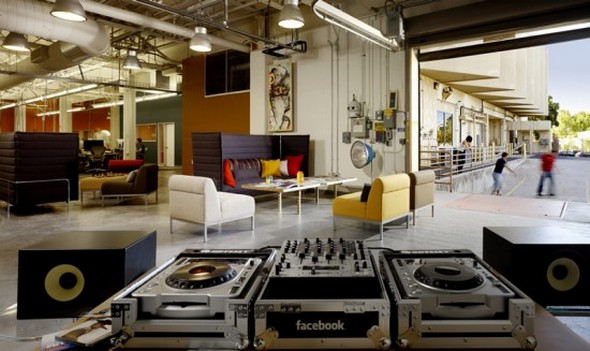
Workstyle at Facebook via chilloutpoint.com

Workstyle at Lego via fastcodesign.com

Google, Facebook, Twitter, Lego, …are listed as the best brands to work for. Every day they receive lots of requests to work for them. Their headquarters are admired worldwide for the facilities and possibilities that give to the workers, creating spaces where leisure is the melody and self-discipline and productivity mark the rhythm.

To create optimal working conditions, we must be able to design spaces that encourage internal communication in which they breathe the values and philosophy of the brand. Gone are the offices where hierarchies were identified in high skyscrapers vertically, the horizontal structures can manage better the talent and aspirations of employees, aligning both personally and professionally under a common project. The individual work spaces turn into shared work areas where workers can move and work together. Considering everything that can affect the productivity of the team  and its needs, adding services, spaces and activities such as kindergarden, dining rooms, areas of inspiration and to combat stress, etc.. All this combined with a high level of transparency will improve self-discipline and professional rigor, as was said in the latest collaboration of Insik W. Yoon.

A brand not only needs to transmit its brand experience to the user, employees must feel it is part of them. Taking into account that the brand experience of the worker starts when they’re leaving home to work and until they return, work-journeys should also be considered as we’ll know the state of mind of the employees when they arrive and leave their job.

The company workers are the major ambassadors of the brand and so is extremely important that they feel part of the common corporative project as well as of the ‘family’ that makes it possible. Environments in which to say: ‘Work Sweet Home’.

Brandcelona can advise you on the most important elements to design and manage work spaces. Do not hesitate to contact us at info@brandcelona.com so we can study your best alternatives and plan how to carry them out in your business plan.

—-

Google, Facebook, Twitter, Lego, …, constan como las mejores marcas en las que trabajar. Cada día reciben montones de solicitudes para poder trabajar para ellas. Sus sedes son admiradas en todo el mundo por las facilidades y posibilidades que dan al trabajador, creando espacios en los que el ocio es la melodía pero la autodisciplina y la productividad marcan el ritmo.

Para crear unas condiciones de trabajo óptimas, debemos ser capaces de diseñar espacios que favorezcan la comunicación interna de los empleados en los que se respiren los valores y la filosofía de la marca. Lejos quedan las sedes en las que las jerarquías se identificaban verticalmente en altos rascacielos, las estructuras horizontales pueden gestionar mejor el talento y las aspiraciones de los empleados, alineándolos personal y profesionalmente bajo un proyecto común. Los espacios de trabajo individuales se transforman en salas de trabajo compartido en los que los trabajadores pueden moverse y trabajar en equipo. Se tiene en cuenta todo aquello que puede afectar a la productividad del equipo y a sus necesidades, añadiendo servicios, espacios y actividades como guarderías, comedores, salas de inspiración y para combatir el estrés, etc. Todo ello combinado con un alto nivel de transparencia con la que, como comentaba Insik W. Yoon en su última colaboración, la autodisciplina y el rigor profesional propio aumentan considerablemente.

La marca ya no sólo necesita transmitir su experiencia al usuario sino que el trabajador también debe sentirla suya. Teniendo en cuenta pues, que la experiencia de marca del trabajador empezará desde que sale de casa a trabajar y hasta que vuelve; los trayectos también deberán tenerse en cuenta ya que nos indicarán en qué estado de ánimo llegan o se van los empleados.

Los trabajadores de una empresa son los principales embajadores de la marca y por ello es sumamente importante que se sientan parte del proyecto empresarial común así como de la ‘família’ que lo hace posible. Ambientes en los que poder decir: ‘Trabajo dulce hogar’.

Brandcelona te puede asesorar sobre cómo diseñar y gestionar eficazmente los espacios de trabajo de tu empresa. No dudes en contactarnos en info@brandcelona.com para que estudiemos las mejores alternativas y planificar cómo llevarlas a cabo en tu plan de negocio.

The pharmacy of the future is already here // La farmacia del futuro ya está aquí

Since the extinction of the old drugstores, the business model of pharmacies has been focused on dispensing prescripted medicines as well as other products related to health, hygiene and beauty science based.

On the other hand, users still visited pharmacies to be pampered by attentive pharmacists who advised towards one product or another based on their symptoms or needs.

The problem was that those spaces tended to look more like a supermarket than a friendly space for questions, seeking advice and personalized customer care. Depersonalization was so, that for many users visiting the drugstore buying certain products became an embarrassing and blushing experience or a mere formality.

That is why the analysis and improvement of the user experience in the space becomes a necessity for the chemist, who values that through the integration of methodologies of brand experience, the lost distance with the users can be recovered. Not only that, but it can also create areas of professional information, private advising areas, as well as processes become more efficient, clean and safe.

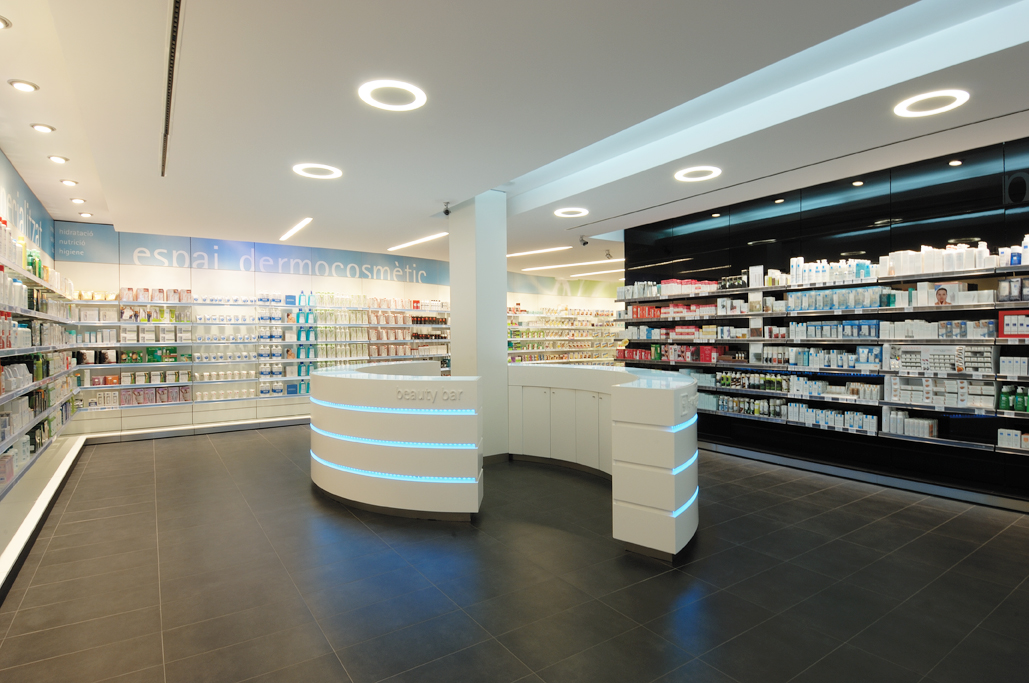
A good example of this change is Ibáñez Pharmacy in the city of Gavà (Barcelona). José Ibáñez wanted to use all his experience and knowledge as a pharmacist to develop with the study Marc Guitart Strategic Brand Management, a space dedicated to health and wellness adapted to new trends and the needs of its users.

More than 500m2 of space conceived to establish different areas that divide product categories and their uses. Thus, one can distinguish quickly and clearly the ‘beauty bar’ dedicated to professional cosmetic dermatology, the ‘show desk’ to display products, the natural point for chemical-free products, a laboratory in which to create magistral formulas, an innovative personalized cash point, an educational and discussion room, and a private consulting room. All supported by a ‘back-office where 2 robots manage all orders preventing physical contamination of products and medicines, and a great professional team that guarantees safety and product knowledge.

The presence of the brand in the online support through social media creates new channels of interaction with users in a nourished and participative way, knowing their needs and offering their advice on health and products. A quick and easy access to health professionals.

In the following links you will find more information about Ibáñez Pharmacy:

http://ibanezfarmacia.pharmacyfeeling.com/

http://joseibanezfarmaceutico.wordpress.com/

Brandcelona retail consulting structures and executes working methods through consulting and the brand experience in commercial spaces. For any further information, please contact us by email at info@brandcelona.com .

—-

Desde la extinción de las boticas, el modelo de negocio de las farmacias se había enfocado a la dispensación de medicamentos derivados de recetas médicas así como en la distribución de otros productos relacionados con la salud, la higiene y la estética desde una vertiente más científica.

Por otro lado, el usuario seguía acudiendo a una farmacia para dejarse atender por el farmacéutico que le aconsejaba un producto u otro en función de sus síntomas o necesidades.

El problema residía en que el espacio tendía a parecer más un supermercado que no un espacio afín para resolver dudas, asesorar y procurar una atención al cliente personalizada. Hasta tal punto llegaba esa despersonalización que para muchos usuarios ir a la farmacia a comprar ciertos productos se convertía en una experiencia embarazosa y ruborizante o en un simple trámite.

Es por ello que el análisis y mejora de la experiencia del usuario en el espacio se convierte en una necesidad para el farmacéutico, que valora como a través de la integración de metodologías de experiencia de marca, puede recuperar la distancia perdida con sus usuarios. No sólo eso, sino que puede crear áreas de información profesional, áreas de consulta privada, así como procesos más eficaces, higiénicos y seguros.

Un buen ejemplo de este cambio es Ibáñez Farmacia en la población de Gavà (Barcelona). José Ibáñez quiso canalizar toda su experiencia y conocimiento como farmacéutico para desarrollar con el estudio Marc Guitart Strategic Brand Management, un espacio dedicado a la salud y el bienestar, adaptado a las nuevas tendencias y a las necesidades de sus usuarios.

Más de 500m2 de espacio concebidos de forma que se establecieran diferentes áreas que separaran las categorías de producto así como sus usos. Así, se puede diferenciar de forma rápida y clara el ‘beauty bar’ dedicado a la dermocosmética profesional, el ‘show desk’ de exhibición de productos, el punto natural para productos libres de químicos, un laboratorio en el que crear fórmulas magistrales, un innovador punto de cobro personalizado, una aula educativa y de debate, así como una sala de consultas privadas. Todo ello apoyado por una ‘back-office’ que mediante 2 robots gestiona todos los pedidos impidiendo la contaminación física de los productos y medicamentos, y por un gran equipo profesional que garantiza la seguridad y el conocimiento de producto.

La presencia de la marca en el soporte online a través de las redes sociales genera nuevos canales de interacción con sus usuarios de una forma más rica y participativa, conociendo sus necesidades y ofreciendo sus consejos en materia de salud y de productos. Una forma rápida y fácil de tener acceso a profesionales en salud.

En los siguientes links podréis encontrar más información sobre Ibáñez Farmacia:

http://ibanezfarmacia.pharmacyfeeling.com/

http://joseibanezfarmaceutico.wordpress.com/

Brandcelona retail consulting estructura metodologías de trabajo y actuación junto con el asesoramiento y la experiencia de marca en el espacio comercial. Para ampliar cualquier información al respecto, contacte con nosotros a través del email info@brandcelona.com .

The example of flagship stores // El ejemplo de las flagship stores

The concept of a flagship store consists in identifying a store as the most important to communicate the world of a brand experience. The one that has the ability to transmit corporative values while offering a unique and enjoyable place to its audience. Although luxury brands have been the first to join this trend, more and more firms are concentrating efforts and resources in the same space to provide added value to their products.

The most common features in such flagship stores are its large surface, its key location, a particular architecture and an offer of additional services such as a café, private areas, spa, art galleries and other unique spaces only for customers.

This kind of store is especially important for those brands that do not have a network of stores and are sold in multi-brand spaces, as in the case of Tissot. The watch maker brand opened in July 2010 its own European flagship store in the Champs Elysees Avenue in Paris. A boutique-brand that conveys the values of their products in an elegant building in which guests can enjoy a coffee on the terrace and discover the current and the old collections in a small museum.

Some of the brands that have joined this concept are Tom Ford in Milan, Esprit in Barcelona, Mango in Paris, among many others who are focusing efforts to create unique spaces acclimated in the universe of the brand.

—-

El concepto de una flagship store consiste en identificar una tienda como la más importante para transmitir el universo de la experiencia de marca. Se trata de la tienda insignia, aquella que tiene la capacidad de transmitir los valores corporativos a la vez que ofrece un espacio singular y agradable para su público. Aunque han sido las marcas de lujo las primeras en sumarse a esta tendencia, cada vez son más las firmas que concentran esfuerzos en un mismo espacio para ofrecer un valor añadido a sus productos.

Las características más comunes en este tipo de tiendas insignia son: su gran superfície, su ubicación en lugares clave, su arquitectura particular y su oferta de servicios añadidos como cafetería, zonas privadas, spa, galerías de arte y otros espacios exclusivos sólo para clientes.

Este tipo de tienda es especialmente importante para todas aquellas marcas que no disponen de una red de tiendas pues se venden en espacios multi-marca, como en el caso de Tissot. La marca de relojería abrió en julio de 2010 su propia flagship store europea en la avenida de los Campos Elíseos de París. Una boutique monomarca que transmite los valores de sus productos en un edificio elegante en el que los clientes pueden degustar un café en su terraza, así como contemplar un pequeño museo con las colecciones actuales y las antiguas.

Algunas marcas que se han sumado a este concepto son Tom Ford en Milán, Esprit en Barcelona, Mango en París, entre otras muchas que están concentrando esfuerzos crear espacios únicos ambientados en el universo de la marca.

Le Labo, a sensory shock // Le Labo, un shock sensorial

Le Labo London via apetogentleman.com

Le Labo London via glassmagazine.co.uk

Le Labo London via glassmagazine.co.uk

Le Labo City Fragances via beautywoome.com

From our commitment to not stop looking for references leading brand experience, today we want to speak about Le Labo Fragrances.

This is a brand founded by two specialists in perfumes who love to go against the current and bet on a mission: to create unique and exceptional fragrances that produce a boom sensation when opening each bottle.

Not sold in supermarkets or drugstores but in exclusive spaces under the concept of  laboratory of essences and on-demand. Without big campaigns that talk about exclusive virility and sensuality, but creating perfumes that carry us to this. Creating 10 fragrances in a laboratory open to the public where to touch, smell, see, listen and get drunk on them without being pressured to make a purchase.

Close their concept with a packaging that recalls the ancient craft of perfumers and including in the label the name for whom has been prepared and the date until which will stay fresh.

—-

Desde nuestro empeño en no parar de buscar referencias líderes en experiencia de marca hoy queremos hablaros sobre Le Labo Fragances.

Se trata de una marca fundada por dos especialistas en perfumes a los que les encanta ir a contracorriente y apostar por una misión: crear fragancias únicas y excepcionales que produjeran un boom de sensaciones al abrir cada botella.

Sin venderlas en supermercados ni grandes perfumerías sino en espacios exclusivos bajo el concepto de laboratorios de esencias y bajo demanda. Sin hacer grandes campañas que hablen de virilidad ni sensualidad de forma exclusiva, sino creando perfumes que nos transporten a ello. Creando 10 fragancias en un laboratorio abierto al público en el que tocar, oler, ver, escuchar y embriagarse de ellas sin ser presionado a realizar una compra.

Cierran su concepto con un packaging que recuerda el antiguo oficio de perfumista y en el que podemos leer incluso en su etiqueta para quién ha sido elaborado y la fecha hasta la que se mantendrá fresco.

Slow Shopping

Last Friday 20 we read on La Contra of  La Vanguardia an interview with Pier Giorgio Olivetti, a citizen of the slow movement that explained their bet for the continuity of crafts and artisans through citizen involvement. This is the case of the Italian town Abbiategrasso  and more than 150 other towns and cities that join to this philosophy of stopping globalization and homogenization by calming the daily grind. This does not preclude the adoption of new technologies and innovation to enrich processes and approach bidirectionally consumers and producers.

Despite not being able to support on scale economies, slow trade promotes special attention and customer care that generates social value due to proximity and customization. Aspects that compensate their higher price in the market, ensuring the minimal involvement of intermediaries and a fair treatment for the producer’s job and the employees in the process.

Creating spaces for dialogue and exchange of knowledge that contribute to form and to build an enjoyed and conscious lifestyle , we can bet for the transmission of values beyond the simple selling process.

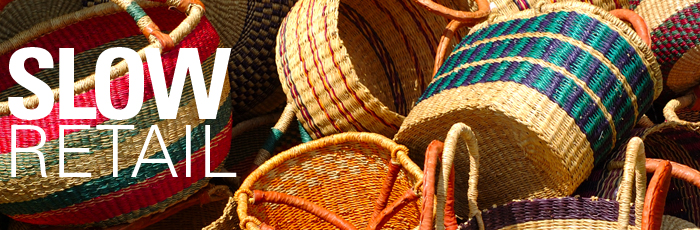
One can escape from the express buying trends by creating shops to delight consumers with having a great and friendly time by a differential brand concept. This may be a highly valid ( and successfully) strategy to not only gain a foothold in the market but to earn the fidelity and the loyalty of our customers and even suppliers.

In this link, you will find a list of some slow international trades through the site slowretail.com.

—-

El pasado viernes 20 leíamos en La Contra de La Vanguardia una entrevista a Pier Giorgio Olivetti, un ciudadano del movimiento slow que hablaba de cómo se había apostado por  la continuidad de oficios y artesanos gracias a la involucración ciudadana. Es el caso del municipio italiano de Abbiategrasso como de otras 150 más ciudades y barrios que se suman a esta filosofía de frenar la globalización y homogeneización calmando el ajetreo cotidiano. Todo ello no impide la incorporación de nuevas tecnologías e innovación para ayudar a enriquecer los procesos y acercar de forma bidireccional al consumidor y al productor.

A pesar de no poder respaldarse tanto en economías de escala, el comercio slow promueve una atención y cuidado del cliente que genera valor social gracias a la proximidad y la personalización. Aspectos que compensan su mayor precio en el mercado, garantizando la mínima participación de intermediarios y el trato justo del trabajo del productor como de los empleados en el proceso.

Creando espacios de diálogo e intercambio de conocimiento que contribuyen a formar y dar cabida a un estilo de vida disfrutado y consciente, podemos apostar por la transmisión de valores más allá del simple proceso de venta.

Uno puede escapar de las tendencias de compra exprés creando comercios en los que deleitar a los consumidores con pasar un rato agradable y amable gracias a un concepto de marca diferencial. Esta puede ser una estrategia muy válida (y exitosa) para no sólo hacerse un hueco en el mercado, sino ganarse la fidelidad y la lealtad de nuestros consumidores e incluso, nuestros proveedores.

En este link, podréis encontrar un listado de algunos comercios slow a nivel internacional gracias al site de slowretail.com .

About Rendering Authenticity // Sobre suministrar autenticidad

Joseph Pine (TED 2004)

Authenticity is becoming the new consumer sensibility and what makes us happy is spending our time and our money satisfying the desire for this authenticity.

Joseph Pine is a writer and a consultant to entrepreneurs and executives. In this link you will find his TED’s Bio .

Also he is the co-author of the book ‘The Experience Economy: Work Is Theater & Every Business a Stage’ (1999) that exposes that consumers are now buying experiences rather than goods or commodities.

—-

La autenticidad se está convirtiendo en la nueva sensibilidad de los consumidores y lo que nos hace felices es gastar nuestro tiempo y dinero satisfaciendo nuestro deseo por esta autenticidad.

Joseph Pine es escritor y consultor de emprendedores y ejecutivos. En este link podéis encontrar su biografía en TED.

También es el co-autor del libro ‘The Experience Economy: Work Is Theater & Every Business a Stage’ (1999) en el que expone que los consumidores ahora compran experiencias en vez de mercancías y productos.

‘Life is Cool’ introduces a new concept of retail: the ‘shoproom’ // ‘La Vida es Chula’ introduce un nuevo concepto de comercio: la ‘shoproom’

'La Vida es Chula' via Desigual's blog

Desigual launches the project ‘Life is Cool’, a shop and a showroom. Presents a new way of selling clothes transforming its old design offices on the 33 Casp street in Barcelona. Eight hundred square meters that recreates 25 micro-scenarios of collections featuring over a thousand of articles of the brand.

But this is not the most amazing thing: the customer makes his purchase order through an iPad, and if you want more information or a style advice can be assisted by personal shoppers. Also they don’t make you carry your purchases because they send them home for free within 48 hours.

A project that invites to enter into the creative universe of Desigual in a kind of design atelier that includes catwalks and art installations.

—–

Desigual inaugura el proyecto ‘La Vida es Chula’, una tienda y un showroom. Presenta una nueva forma de vender ropa transformando sus antiguas oficinas de diseño en la calle Caspe 33 de Barcelona. Ocho cientos metros cuadrados que recrean 25 micro-escenarios de colecciones presentando más de mil prendas de la marca.

Pero esto no es lo más sorprendente: el cliente hace su pedido de compra mediante un iPad, y si quiere conocer más información o un consejo de estilismo puede ser atendido por personal shoppers. Además no te hacen cargar con tus compras porque te las envían  a casa gratis en menos de 48 horas.

Un proyecto en el que se invita a adentrarse en el universo creativo de Desigual en una especie de design atelier que incluye desfiles y exposiciones de instalaciones artísticas.

'La Vida es Chula' via Desigual's blog

La Vida

'La Vida es Chula' via Desigual's blog

La Vida

'La Vida es Chula' via Desigual's blog

5 recommended books to start 2012 // 5 libros recomendados para empezar el 2012

1. Branding a Store: How to Build Successful Retail Brands in a Changing Marketplace (by Ko Floor, 2010)

Construction and brand strategy in the future of retail market to help to be competitive through differentiation. Only in English.

Construcción y estrategia de marca en el futuro del mercado del comercio para ayudar a ser competitivo a través de la diferenciación. Sólo en inglés.

2. Inside the Mind of the Shopper: The Science of Retailing (by Herb Sorensen, 2009)

About what the consumer thinks in a retail space, what catches its attention or what perceives. Only in English.

Sobre qué piensa el consumidor dentro de un espacio comercial, qué capta su atención o qué percibe. Sólo en inglés.

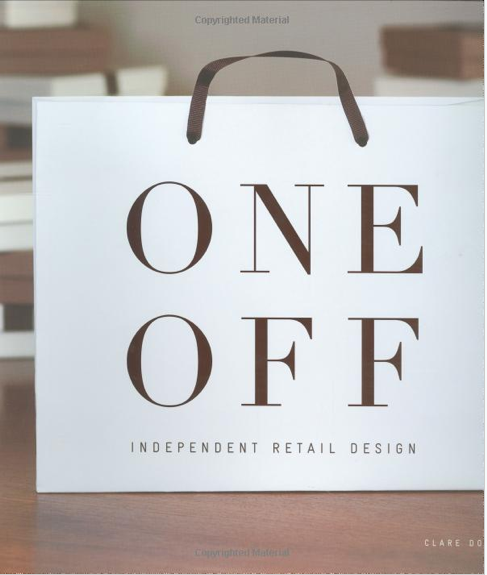
3. One Off: Independent Retail Design (by Clare Dowdy, 2008)

Visual trendy examples on independent retail projects. Only in English.

Ejemplos visuales y de tendencia sobre proyectos de retail independientes. Sólo en inglés.

4. Dayketing: ¡Hoy es un gran día para vender más! (by Luiggi Sarrias, 2010)

About how actions and commercial promotions play a key role in the planning of dates or appointed days in the consumer’s schedule. Only in Spanish.

Sobre cómo las acciones y promociones comerciales juegan un rol clave en la planificación de fechas o días señalados en el calendario del consumidor. Sólo en español.

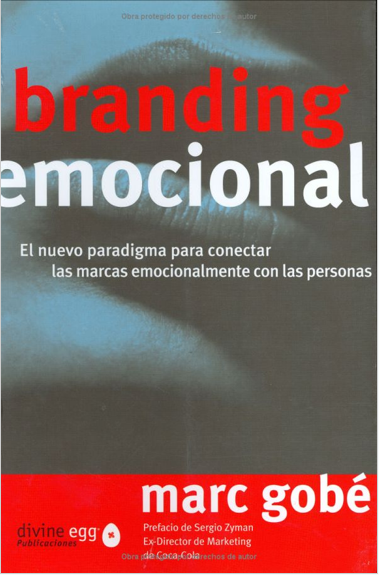
5. Branding Emocional: El Nuevo Paradigma para Conectar las Marcas Emocionalmente con las Personas (by Marc Gobé, 2005)

Emotional brand experience, how through the senses and feelings can a brand grow globally and universally. Only in Spanish.

Experiencia de marca emocional, cómo a través de los sentidos y las sensaciones puede crecer una marca de forma global y universal. Sólo en español.

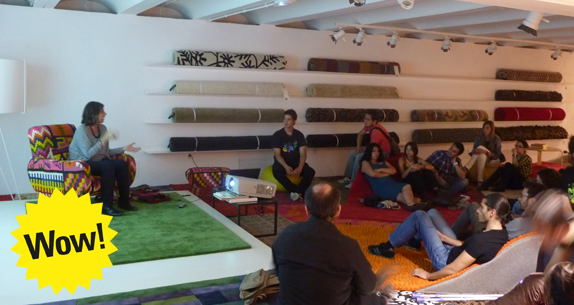
Wow Effect of Nani Marquina

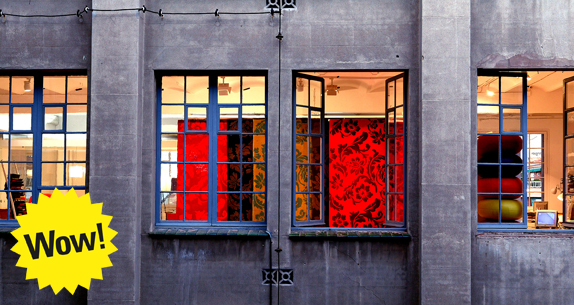
The Wow Effect is the reaction that produces a space where we live a unique and memorable brand experience. It’s an emotional rush that invades your senses and makes you want to return there.

Who & Where: Nani Marquina at Rosselló, 256 / Av. Diagonal, BARCELONA (Tel. 0034 934 871 606). www.nanimarquina.com

About its products and services: Reinvention of the rug through contemporary design and innovative combination of textures, shapes and colors. It offers an experience where customers can interact with the rug while meets its provenance. Opts for collaborative collections and socially conscious design.

How: Offers leisure and cultural activities in which they interact and learn about their customers, such as workshops for children and cooking lessons. Exhibition of the product as an artistic piece, placing it vertically in the wall while explaining its philosophy. Opting for customer service staff empowered with an extensive knowledge of design and great connoisseurs of the product and its features.

Wow Effect: 9/10

—-

El efecto WOW es la reacción que nos produce un espacio en el que vivimos una experiencia de marca única y memorable. Es un ajetreo emocional que nos invade los sentidos y hace que queramos volver.

Quién y dónde: Nani Marquina at Rosselló, 256 / Av. Diagonal, BARCELONA (Tel. 0034 934 871 606). www.nanimarquina.com

Sobre sus productos y servicios: La reinvención de la alfombra a través del diseño contemporáneo y una innovadora combinación de texturas, formas y colores. Ofrece una experiencia donde los clientes pueden interactuar con la alfombra, mientras conocen su procedencia. Opta por las colecciones colaborativas y el diseño con consciencia social.

Cómo: La oferta de actividades culturales y lúdicas en los que interactuar y aprender sobre sus clientes, tales como talleres para niños y clases de cocina. Exposición del producto como una obra artística, colocándola verticalmente en la pared mientras explica su filosofía. Optando por personal de servicio al cliente con un amplio conocimiento de diseño y grandes conocedores del producto y sus características.

Efecto Wow: 9 / 10