Normalize the veggie // Normalizar lo vegetariano

Teresa Carles Restaurant in Barcelona via esadir.blogspot.com

Teresa Carles Restaurant in Barcelona via laflorinata.com

Teresa Carles Restaurant in Barcelona via pimientarosa.com

Teresa Carles Restaurant in Barcelona via pimientarosa.com

It is true that, as Núria Coll said, for many years, vegetarianism and business aligned with it, have kept the identity and values of the 70’s and the hippy movement. In recent years, concern and awareness about our planet and its resources have been addressed through multiple alternatives of lifestyle and philosophy.

However, many of the businesses involved in responsible management of the planet, are emulating alternative and exotic locations that stigmatize their akin audience, without trying to expand their vision to users unfamiliar with their cause. Therein lies the key to sensitization, not only unite the profiles involved but attract those who are not. To do this, we must create standardized and integrated establishments in the space and in the market, capable of being leaders in sectors also unconcerned about the sustainability and facilitate the transition to a more responsible and efficient scheme.

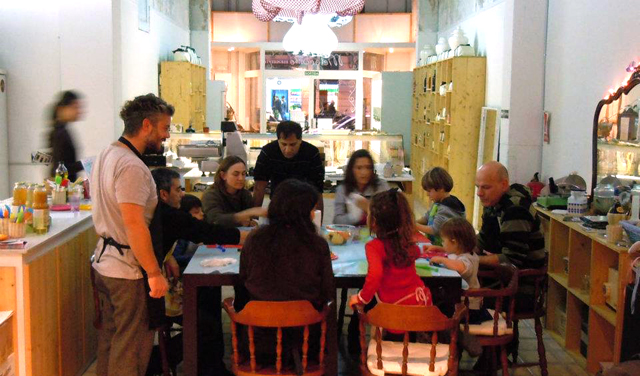
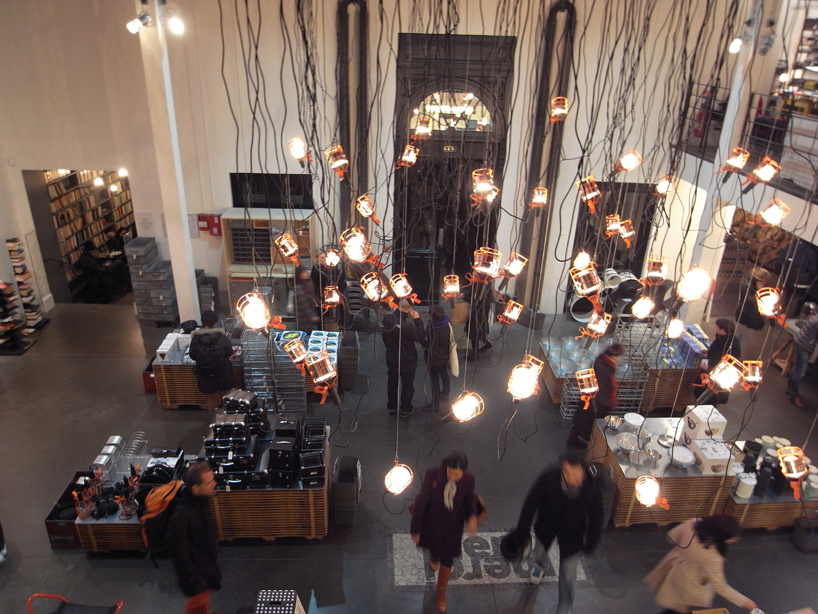
Under this conception, Teresa Carles restaurant in Barcelona combines modernity with vegetarianism naturally and standardized. Its interior and the exhibition of products appeal to all audiences regardless of their beliefs in food, enjoy alike! Enhance healthy breakfasts and Manhattan style brunches in large tables and sofas to spend the early hours of the morning working in a friendly atmosphere. Breaking taboos in relation to the offer of alcohol, they present an excellent selection of wine and beer as well as they elaborate juices, teas and homemade mixings. A good bet to boost consumption of local and vegetable products.

—-

Es cierto que, como bien dijo Núria Coll, durante muchos años el vegetarianismo y los comercios alineados con él han mantenido la identidad y los valores de los años 70 y el movimiento hippy. Desde hace unos años, la preocupación y sensibilización por nuestro planeta y sus recursos se han abordado mediante múltiples alternativas de estilo de vida y filosofía.

No obstante, muchos de los comercios implicados en una gestión responsable del planeta, siguen emulando lugares exóticos y alternativos que estigmatizan a su público más afín, sin intentar expandir su visión a usuarios desconocedores de su causa. Ahí reside la clave de la sensibilización: no sólo unir a los perfiles comprometidos sino atraer a aquellos que no lo estén. Para ello, debemos crear establecimientos normalizados e integrados en el espacio y en el mercado, capaces de ser líderes también en sectores despreocupados por la sostenibilidad y facilitar la transición hacia un esquema más responsable y eficiente.

Bajo esa concepción, el restaurante barcelonés Teresa Carles combina la modernidad con el vegetarianismo de forma natural y normalizada. Su interiorismo y exhibición de productos atraen a todos los públicos sin importar sus creencias en alimentación; disfrutan por igual! Potencian los desayunos y brunchs sanos al estilo Manhattan en grandes mesas y sofás en los que pasar las primeras horas de la mañana trabajando en un ambiente agradable. Rompen los tabúes en relación a la oferta de alcohol presentando una excelente carta de vinos y cervezas además de elaborar diferentes zumos, infusiones y combinados caseros. Una buena apuesta para impulsar el consumo de productos locales y vegetales.

Places to go with the tribe // Lugares para ir con la tribu

Mammaproof Sticker via tiendagluck.blogspot.com

Ruta Mmmp via naifmagazine.com

Mammaproof Workshop via mammaproof.com

Last April 23 (Sant Jordi) was presented in Barcelona the MmmpTour promoted by Mammaproof.org, a citizenship and collaborative initiative that distinguishes the best places in the city for a family. A guide of places in Barcelona, Madrid, Tarragona and Santiago de Chile – and ready to move into new cities-, that invites mothers, fathers, sons and daughters to enjoy their visit and share it with others.

The Mammaproof sticker ensures that the place has changing tables, high chairs, good will and a friendly service. To do this, they not only analyze the physical and economic resources of the space, but the efforts of the establishment and its workers to provide a comfortable and fun vibe for restless parents and children. Moreover, is taking into account the offer of adapted areas for kids with games, books and/or animations (such as Peek-A-Boo). They can also include places that just have some care for kids, an  ideal location  or an excellent deal.

While in its origins was limited to restaurants and bars, today we can find the sticker in places of different sectors: outdoor familiar spaces, stores, trips, bars to drink something or places to go for a walk. Their Mmmp agents introduce new places and recommendations based on the African quote «to raise a child it takes a whole tribe,» as to ensure a good education and quality of life requires that we all have in mind the needs of the little ones and of those who care for them. It is not about infantilizing establishments but of trying to conceive them from the perspective of parents and children, avoiding the rush and stress with laughter and fun and to identify and to value those establishments that reach the «mamma test.» From Brandcelona we encourage you to visit their guide and find new places and even to create them!

Brandcelona retail consulting can advise you on the highlights to design and develop friendly spaces that pass «the mamma test». Do not hesitate to contact us at info@brandcelona.com to study the best alternatives and plan how to carry them out in your establishment. 

—-

El pasado 23 de abril (Sant Jordi) se presentó en Barcelona la RutaMmmp impulsada por Mammaproof.org, una iniciativa ciudadana y colaborativa que distingue los mejores lugares de la ciudad para ir en familia. Una guía de espacios en Barcelona, Madrid, Tarragona y Santiago de Chile – y dispuesta a introducirse en nuevas ciudades- que invita a que madres, padres, hijos e hijas disfruten de su visita y lo compartan con los demás.

El distintivo Mammaproof garantiza que el local dispone de cambiadores, tronas, buena voluntad y un trato amable. Para ello, no sólo analizan los recursos físicos y económicos del espacio, sino la voluntad del establecimiento y de sus trabajadores de ofrecer un espacio cómodo y divertido para padres e hijos inquietos. Además, se tiene en cuenta la oferta de áreas adaptadas para los más pequeños con juegos, libros y/o animaciones (como tiene Peek-A-Boo). También pueden incluirse lugares que simplemente tengan un detalle con los pequeños, una ubicación ideal o bien, un trato excelente.

Aunque en sus orígenes su distintivo se limitaba a la restauración, hoy ya podemos encontrar opciones de diferentes sectores: espacios familiares al aire libre, tiendas para ir de compras, escapadas, bares en los que tomar algo o lugares en los que dar un paseo. Sus agentes Mmmp introducen nuevos lugares y recomendaciones basándose en la cita africana «para criar a una criatura hace falta una tribu entera”, pues para asegurar una buena educación y calidad de vida hace falta que todos tengamos en cuenta las necesidades de los más pequeños y de los que cuidan de ellos. No se trata de infantilizar los establecimientos sino de tratar de concebirlos desde la óptica de los padres y de los niños, esquivando las prisas y el estrés con sonrisas y diversión e identificar y poner en valor todos aquellos establecimientos a «prueba de mamá». Desde Brandcelona os animamos a visitar su guía y a colaborar en la búsqueda de nuevos lugares e incluso, a crearlos!

Brandcelona retail consulting te puede asesorar sobre los aspectos más destacados para diseñar y concebir espacios amables «a prueba de madres». No dudes en contactarnos en info@brandcelona.com para que estudiemos las mejores alternativas y planificar cómo llevarlas a cabo en tu establecimiento. 

The Magic in Books // La magia del libro

Chronicle Books Metreon (San Francisco) via chroniclebooks.com

Chronicle Books Second Street (San Francisco) via chroniclebooks.com

Chronicle Books Union Street (San Francisco) via chroniclebooks.com

Chronicle Books is a company in San Francisco devoted to the independent publishing of books and gifts. It has 3 stores located in the SOMA district (South of Market) well-known for the flourishing presence of publishers, design studios and multimedia firms. The firm has taken advantage of all that combination to carry out an original and innovative company that tries to bring the magic of literature and writing to everything it does.

They distinguish their main product with a revealing commitment with new books for adult and children, discovering new authors and recovering the pleasure of giving books. They also have the exclusive distribution rights in the United States of Princeton Architectural Press, PQ Blackwell, Moleskine ®, Blue Apple Books, Quirk Books and Laurence King Publishing.

The proper size of its stores (neither too large nor too small) and the disposition of their products is accompanied by an atmosphere of charm, culture and humor. Products are shown avoiding the crush and the overlapping, optimizing the space with minimalist and functional shelves. Also stands out for its range of postcards and the dynamism achieved through the organization of events such as book signings, cooking workshops and children’s events.

Its concern for sustainability, which is increasingly present in the publishing world, integrates 3 main strategic lines: gresponsible business practices, eco-efficiency of their offices and employee involvement in social causes.

They achieve a great feature of their philosophy and pitch with their communications, for example in their blog. A mixture of images and texts about what they read, what they publish, what makes them laugh and what excites them. Also, their app on Facebook is a clear example of brand experience and creativity, promoting polls, exclusive contents and quizzes. A point of contact between authors, editors and readers that keeps the magic of literature and culture in the online support.

—-

Chronicle Books es una compañía de San Francisco dedicada a la editorial independiente de libros y regalos. Cuenta con 3 tiendas ubicadas en el distrito de SOMA (South of Market) caracterizado por la presencia de numerosas editoriales, estudios de diseño y empresas multimedia. La firma ha sabido aprovechar toda esa conjunción para sacar adelante una compañía innovadora y original que trata de trasladar la magia de la literatura y la escritura a todo lo que hace.

Su principal producto se diferencia por ser una apuesta reveladora de libros para adultos e infantiles, escogiendo exquisitamente sus títulos y formas, descubriendo nuevos autores y recuperando el placer de regalar libros. Además cuentan con los derechos exclusivos de distribución en EUA de Princeton Architectural Press, PQ Blackwell, Moleskine®, Blue Apple Books, Quirk Books y Laurence King Publishing.

El tamaño adecuado de sus tiendas (ni muy grande ni muy pequeño) y la disposición de sus productos se acompaña con una atmósfera de tranquilidad, cultura y humor. Los productos se exhiben evitando la aglomeración y la superposición, optimizando el espacio con estanterías minimalistas y funcionales. Destaca también por su oferta de postales y por el dinamismo que consiguen gracias a la organización de eventos como firmas de libros, talleres de cocina y eventos infantiles.

Su preocupación por la sostenibilidad, factor cada vez más presente en el mundo editorial, integra 3 líneas estratégicas principales: las buenas prácticas empresariales, la eco-eficiencia de sus locales y la involucración de los empleados en causas sociales.

Consiguen una fantástica aplicación de su filosofía y tono en su comunicación, como por ejemplo en su blog. Una mezcla de imágenes y textos sobre lo que leen, lo que publican, lo que les hace reir y lo que les excita. También su app en Facebook es un claro ejemplo de su experiencia de marca y su creatividad, dando lugar a las encuestas, los contenidos exclusivos y los juegos. Un punto de contacto entre autores, editores y lectores que mantiene viva la magia de la literatura y la cultura también en el soporte online.

Retail Week Conference 2012 Highlights

A few weeks ago took place in London one of the most prestigious events on retail and innovation: the Retail Week Conference (14 and 15 March 2012). Leading brands in retailing of all sectors such as Diesel, Tesco, Amazon, Google, McDonald’s, Harrods, Twitter, Facebook, Lush, Inditex or Gap participated during those days discussing the future of retail and the main trends and innovations. We wanted to summarize the main points that were touched and we encourage you to read more in the link we add at the end of the post.

1. Retailers should provide incentives for sustainability and guide consumers into a new form of environmentally sustainable retailing.

2. Mobile platforms are game-changers to multi-channel retailers. Services based on geolocation and scan codes (QR or bar) will rethink many businesses. Users want the information in any form they require it.

3. Talent will not be sought only at the executive level but throughout the organization, excellence must be at all levels.

4. Use social networks to interact with your users and identify innovation in areas of interest that are more advantageous for your brand.

5. Tough times have served to bring out the best, there is hope and confidence in the sector.

6. Promote R + D and retain creative talent of people who understand the brand. Understand what people want:  needs should be clear.

7. To internationalize a brand is important to first gain the credibility of its users; positioning the brand in key countries will be easier.

To conclude the event, they held on March 22 a free ‘webinar’ (online seminar) on the implementation of new technologies in-store of which we did a live following in our Twitter profile @brandcelona. In the following link you will find the press room of the RWC 2012 in which you can visit all the articles published during the conference.

—-

Hace unas semanas tuvo lugar en Londres uno de los eventos más prestigiosos sobre comercio y la innovación: la Retail Week Conference (14 y 15 de marzo de 2012). Las marcas líderes en comercio de todos los sectores como Diesel, Tesco, Amazon, Google, McDonald’s, Harrods, Twitter, Facebook, Lush, Inditex o Gap participaron en estas jornadas debatiendo sobre el futuro del retail y sobre las principales tendencias e innovaciones actuales. Hemos querido hacer un resumen de los principales puntos que se trataron y os animamos a leer más en el link que enlazamos al final del post.

1. Desde el comercio debe incentivarse la sostenibilidad y guiar a los usuarios hacia un comercio sostenible con el medio ambiente.

2. Las plataformas móviles serán claves para los comercios multi-canal: los servicios basados en la geolocalización y el escaneo de códigos (QR o de barras) harán replantear muchos negocios. El usuario quiere información en cualquier formato que necesite.

3. El talento no debe buscarse sólo a nivel ejecutivo sino en toda la organización, la excelencia debe estar en todos los niveles.

4. Utiliza las redes sociales para interactuar con tus usuarios e identificar innovación en aquellas áreas de interés que sean más ventajosas para tu marca.

5. Los tiempos difíciles siempre han servido para sacar lo mejor de cada uno; hay esperanza y confianza en el sector.

6. Potenciar la I+D y retener el talento creativo de aquellas personas que comprendan la marca. Entiende lo que quiere la gente: las necesidades deben ser claras.

7. Para internacionalizar una marca es importante ganarse primero la credibilidad de sus usuarios; posicionarse después en países clave será más sencillo.

Como colofón del evento, el 22 de marzo tuvo lugar un ‘webinar’ (seminario online) gratuito  sobre la aplicación de nuevas tecnologías en los comercios del cual hicimos seguimiento en directo en nuestro Twitter @brandcelona. En el siguiente link encontraréis la sala de prensa de la RWC 2012 en la que podéis visitar todos los artículos que se publicaron durante las jornadas. 

User coaching for using our products // Entrenar al usuario a usar nuestros productos

Psaging Barcelona via cutesuite.wordpress.com

Psaging Barcelona via psaging.com

Psaging Barcelona via psaging.com

When talking about brands in health and wellness, their products and services must be endorsed with the correct use and their optimal integration into the habits and lifestyle of the user. Bringing this knowledge greatly improves engagement between the brand and the customer for several reasons: 1. The user receives these recommendations as an added value of the brand and its products, 2. The philosophy of the brand is integrated into the user’s lifestyle and 3. The recommendations may become a way of promoting cross-selling products and services.

A clear example of this «user coaching» in wellness is Psaging. This brand of health, beauty and natural nutrition focuses on the concept of teaching to prepare our bodies nutritionally to prevent future problems and they do it with positivism and empathy with their users. Proposing to change the «getting older» by growing up and aging by live, ultimately, they promote messages of «mens sana in corpore sano» and positive vitality as a way of life. Through the phrase «Today could be a great day» they emphasize the importance of the morning in our day to day as a turning point to nourish our body and mind.

They have 9 establishments throughout the Spanish territory and are characterized by providing them with a fresh, modern and gourmet style changing the traditional image of an herbalist. Clean wood, warm light, arranged shelves and monthly product demonstrations make of them friendly spaces to ensure a close contact with visitors. 3 main sections are differentiated in their stores: nutritional supplements, natural cosmetics and organic food. They also have a fantastic online store, and argue their vision concept through the magazine «Psaging Magazine»a blog and Psaging Guides. These are full of recipes, tips and healthy habits to ensure optimum use of their products.

—-

Cuando hablamos de marcas dedicadas a la salud y el bienestar, sus productos y servicios deben ir acompañados de un correcto uso y de una integración óptima de éstos en los hábitos y estilo de vida del usuario. Acercar ese conocimiento mejora notablemente el vínculo afectivo de la marca y el cliente por diversos motivos: 1. El usuario recibe esas recomendaciones como un valor añadido de la marca y sus productos, 2. La filosofía de la marca se integra dentro del estilo de vida del usuario y 3. Las recomendaciones pueden convertirse en soportes en los que fomentar la venta cruzada de productos y servicios.

Un claro ejemplo de este «coaching» en bienestar es Psaging. La marca de salud, belleza y nutrición natural se centra en el concepto de enseñar a preparar nuestro organismo nutricionalmente para evitar futuros trastornos y lo hacen de una forma positiva y empática con sus usuarios. Proponen cambiar el «hacerse mayor» por el crecer y el envejecer por el vivir más, en definitiva, promueven mensajes de «mens sana in corpore sano» y de vitalidad positiva como una forma de vida. A través de la frase «Hoy puede ser un gran día» hacen hincapié en la importancia de las mañanas de nuestro día a día como momento crucial para nutrir el cuerpo y la mente.

Cuentan con 9 establecimientos repartidos por el territorio español y se caracterizan por dotarlos de un aire fresco, moderno y de gourmet a la imagen tradicional de las herboristerías. Madera limpia, luz cálida, lineales ordenados y demostraciones de producto mensuales hacen de ellos espacios amables y de contacto cercano con los visitantes. En sus establecimientos se diferencian 3 secciones principales: complementos nutricionales, cosmética natural y alimentación biológica. Además, cuentan con una fantástica tienda online, y argumentan su concepto a través de la revista «Psaging Magazine», su blog y las guías Psaging. Todo ello lleno de recetas, consejos y hábitos saludables para garantizar un uso óptimo de sus productos.

The concept behind concept-stores // El concepto detrás de las concept-stores

Levi’s XX concept-store Tokyo via slamxhype

Aesop concept-store in Paris via designdodo.wordpress.com

Munich concept-store Barcelona via sonajero.es

10 Corso Como concept-store Milan via 10 Corso Como Facebook Page

Concept-stores are establishments that blend products and brands targeting a specific group of customers by the same lifestyle, under a single concept.

A place where all the products displayed identify their users and become a benchmark for style and character. Typically offer a wide and diverse range that changes with certain frequency to constantly surprise the user with new features or new applications. The products listed are not distributed in conventional categories but for a theme based on cross-selling. This involves identifying a concept aligned with the vision of the brand and explore all the products and services that can conform, creating an immersive experience during the visit of the space. Usually accompanied by activities and areas to connect with customers and understand their needs and motivations getting them into the universe of the brand.

The concept-store format is very useful to experiment and be creative, exploring the possibilities and opportunities of the brand with its visitors. They should be seen as changing and spaces in which to host a good number of visitors to organize newsworthy events (shows, concerts, parades, exclusive exhibition of new products …). Many of the concept-stores eventually end up becoming a must visit space for a brand and its environs, so they try to differentiate with a stunning architecture and interior design.

One of the first brands to embrace this trend in the ’90s was 10 Corso Como in Milan, followed by Colette in Paris and Quartier 206 in Berlin. Today it is a concept spread throughout the world -as you can see in the images-, proof of this are the examples of brands that we’ve been talking in the last months as Le Labo (New York), Desigual (Barcelona),  Isolée (Madrid), Merci (Paris) or Starbucks (Amsterdam).

Brandcelona retail consulting can advise you on the highlights to design a concept-store. Do not hesitate to contact us at info@brandcelona.com  to study the best alternatives and plan how to carry them out in your business plan.

—-

Las concept-stores son establecimientos en los que se mezclan productos y marcas dirigidas a un grupo concreto de clientes segmentados por un mismo estilo de vida, un mismo concepto.

Un espacio en el que todos los productos expuestos identifican a sus usuarios y se convierte en un referente para su estilo y carácter. Suelen ofrecer una gama muy amplia y diversa que cambia con cierta frecuencia para sorprender constantemente al usuario con novedades o nuevas aplicaciones. Los productos expuestos no se distribuyen por categorías convencionales sino por temáticas basadas en las ventas cruzadas. Se trata de identificar un concepto alineado con la visión de la marca y explorar todos los productos y servicios que pueden conformarlo creando una experiencia envolvente durante la visita del establecimiento. Suelen acompañarse de actividades y áreas en las que conectar con los clientes y conocer sus necesidades y motivaciones con tal de adentrarlos en el universo de la marca.

Las concepts-stores tienen un formato muy útil para experimentar y ser creativo, explorando las posibilidades y oportunidades de la marca con sus visitantes. Además, deben concebirse como espacios cambiantes y en los que acoger a un buen número de visitantes al organizar eventos noticiables (espectáculos, conciertos, desfiles, presentaciones exclusivos de nuevos productos…). Muchas de las concept-stores acaban convirtiéndose en establecimientos de referencia de la marca e incluso de su entorno, por lo que tratan de diferenciarse con una arquitectura e interiorismo sorprendente.

Una de las primeras marcas en adoptar esta tendencia en los ’90 fue 10 Corso Como en Milán, seguida por Colette en París y Quartier 206 en Berlín. Hoy en día es un concepto extendido por todo el mundo -como se observa en las imágenes-, muestra de ello son los ejemplos de marcas de los que hemos ido hablando en los últimos meses como Le Labo (Nueva York), Desigual (Barcelona),  Isolée (Madrid), Merci (París) o Starbucks (Ámsterdam).

Brandcelona retail consulting te puede asesorar sobre los aspectos más destacados para diseñar una concept-store. No dudes en contactarnos en info@brandcelona.com para que estudiemos las mejores alternativas y planificar cómo llevarlas a cabo en tu plan de negocio.

Cosmetics Grocery // Colmado de cosmética

Lush soaps via myzerowaste.com

Lush store via Lush Facebook Page

Lush product: sweetie pie via dooyoo.co.uk

Cosmetics feed our skin, so the more natural and friendly they are, the more will nourish our skin. This is the vision of LUSH to create handmade and natural beauty and health for bathing and personal care.Inspired by the aesthetics of a grocery, products are displayed on wooden tables in a delicatessen way and artisan-looking. They create an addictive experience in-store in which users can touch and smell the products and buy them by weight. Their great customer service strives to teach the user to use the product and get the most performance of it.

They are faithful to the philosophy of ‘no better advertising than a good product’ and therefore they designed a service based on innovative cosmetics, personal and empowered attention and unconventional marketing.

The products are fresh -so that even some of them should be kept in the fridge- and ensure that 70% of its range is preservative free. They don’t test on animals or buy from suppliers who do it, being firm and transversal with its policy of ethical commitment. They use a minimal packaging, in some cases made from recycled aluminum and plastic and paper bags. They create color codes to distinguish organic and natural products and add to the label concepts similar to those applied to food. The names and colors of their ranges are attractive and fun, focusing on describing the experience of its use. Using a handwriting typography and the slate they lend character to products and reinforce the concept of «handmade» that prevails in all its stores. Despite having more than 800 stores around the world, everyone has their own personality and use their own channels and media.

Their little advertising concentrates in the interior of their shops, word of mouth and public relations. An unconventional marketing focused on customers and employees. They work on a multi-channel strategy: stores, web and mail, promoting cross-selling of other products that can be attractive and of interest to the user. In addition to using social networks and websites, they publish a magazine about their products and brand to connect with users and receive a constant feedback.

—-

La cosmética es la alimentación de nuestra piel, por lo que cuanto más natural y amable sea, más nutrida estará. En eso se basa LUSH para crear productos artesanos y naturales de belleza e higiene para el baño y el cuidado personal.

Inspirados en la estética de los colmados exhiben los productos sobre mesas de madera en forma de delicatessen y con un aspecto artesano. Crean una experiencia adictiva en la tienda en la que los usuarios pueden tocar y oler los productos y comprarlos a peso. Su exquisita atención al cliente se empeña en enseñar al usuario a utilizar el producto y a sacarle el mayor rendimiento.

Son fieles a la filosofía de ‘no hay mejor publicidad que un buen producto’ y por ello diseñan un servicio basado en una cosmética innovadora, una atención personalizada y profesional y un marketing poco convencional.

Los productos son frescos –tanto, que incluso en ocasiones deben guardarse en la nevera- y aseguran que el 70% de su gama es sin conservantes. No hacen tests sobre animales ni compran a proveedores que lo hagan, siendo firmes y transversales con su política de compromiso ético. Utilizan un packaging mínimo, en algunos casos hecho con plástico y aluminio reciclado y bolsas de papel. Crean códigos de colores para distinguir los productos orgánicos de los naturales y añaden a la etiqueta conceptos parecidos a los que se aplican a la alimentación. Los nombres y colores de sus gamas son atractivos y divertidos, centrados en describir la experiencia de su uso. La utilización de una tipografía gestual y la pizarra dan carácter a los productos y refuerzan el concepto de «hecho a mano» que predomina en todas sus tiendas. A pesar de contar con más de 800 establecimientos en todo el mundo, cada uno tiene su propia personalidad y utiliza sus propios canales y medios.

Su poca publicidad se centra en el interior de sus tiendas, el boca-a-oreja y las relaciones públicas. Un marketing poco convencional focalizado en clientes y empleados. Trabajan sobre una estrategia multi-canal: tiendas, web y por correo, promoviendo la venta cruzada de otros productos que pueden ser atractivos y de interés para el usuario. Además de utilizar las redes sociales y su web, editan una revista sobre sus productos y marca para conectar con los usuarios y recibir un feedback constante.

The ‘concept-store’ world’s most influential // La ‘concept-store’ más influyente del mundo

Merci, concept-store in París via designboom.com

Merci, concept-store in Paris via designboom.com

Merci, concept-store in Paris via ritournelleblog

Merci, concept-store in Paris, via ritournelleblog

Merci, concept-store in Paris via ritournelleblog

Marie-France and Bernard Cohen, founders of the company Bonpoint, opened in March 2009 the ‘concept-store’ MERCI, a space in Paris in which to present new talent to the audience while respecting its identity and welcoming the visitor in a ‘maison’ in the district of Le Marais.

A space that changes frequently to introduce new products presenting them in new contexts and referring to its possible uses and combinations. Products create the space and are the stars of 1500sqm dedicated to fashion, furniture, books and interior design. Located in a majestic sunlit loft and in which rooms recreate unique creations that ride between contemporary design and art. At the entrance, through a courtyard, we are recived with an iconic 600 installed as the main indicator of the place. Inside, the transformation is part of the space, reusing the objects to simulate new product display facilities.

They have a small flower shop, a cafe, a library of used books and even a laboratory in which Annick Goutal can create your own perfume. All surrounded in an evident Parisian aesthetic that mixes perfectly the bourgeois and the bohemian at a time. Finally, true to its name, invest all the profits to charity, so ‘Merci for buying here.’

—-

Marie-France y Bernard Cohen, fundadores de la marca Bonpoint, abrieron en marzo de 2009 la ‘concept-store’ MERCI, un espacio en París en el que dar a conocer nuevos talentos a la audiencia respetando al mismo tiempo su identidad y acogiendo al visitante en una ‘maison’ en pleno barrio de Le Marais.

Un espacio que cambia frecuentemente para introducir los nuevos productos presentándolos en nuevos contextos y haciendo referencia a sus posibles usos y combinaciones. Los productos crean el espacio y son los protagonistas de los 1500m2 dedicados a la moda, muebles, libros y diseño de interiores. Ubicado en un majestuoso loft iluminado por el sol y en el que se recrean habitaciones con creaciones únicas que cabalgan entre el diseño contemporáneo y el arte. En la entrada, a través de un patio, nos recibe un emblemático 600 instalado como principal indicador del lugar. Dentro, la transformación forma parte del espacio reutilizando los objetos para simular nuevas instalaciones de exposición de productos.

Cuentan con una pequeña zona de floristería, un café, una librería de libros de segunda mano e incluso, un laboratorio en el que Annick Goutal puede crear su propio perfume. Todo ello envuelto en una evidente estética parisina que mezcla a la perfección lo bohemio y lo burgués a la vez. Por último, haciendo honor a su nombre, destinan todos los beneficios a causas benéficas, así que ‘Merci por comprar aquí’.

The social cafe // El café social

Caffe Streets via contemporist.com

Caffe Streets via contemporist.com

Caffe Streets via contemporist.com

It’s said that the best conversations and ideas come out around a good coffee. It stimulates our mental activity and, taken in the appropriate space, encourages interaction and the exchange of ideas. It may have some link that with the arrival of the first cafes in the mid-seventeenth century, they established as centers of idea creation, becoming meeting points of thinkers and intellectuals.

The coffee shop Caffe Streets, opened last year in Chicago, seeks to recover the social experience of coffee. No wi-fi, promoting long conversations and having a cocktail bar atmosphere that contrasts with the ‘take away’ cafes. The wood covers the entire interior and is combined with industrial details, creating a bohemian vibe that facilitates dialogue. They offer a range of selected high quality coffee that can be made with different methods and have even created their own blend called ‘Intelligentsia’ which they define as ‘a sweet and balanced coffee’. They also want to complete their offer with seasonal teas and pastries from a local bakery. Complete their vision with a demanding craft effort and excellent customer service ethic, marking the dual objective of serving and educating the visitor on the world of coffee.

Want a coffee?

—-

Dicen que las mejores conversaciones e ideas surgen alrededor de un buen café. Éste estimula nuestra actividad mental y, tomado en el espacio adecuado, fomenta la interacción y el intercambio de ideas. Alguna relación guardará que con la llegada de las primeras cafeterías a mediados del siglo XVII, éstas se establecieran como locales de creación de ideas, convirtiéndose en puntos de encuentro de pensadores e intelectuales.

La cafetería Caffe Streets, inaugurada el año pasado en Chicago, pretende recuperar la experiencia social del café. Sin wi-fi, fomentando las conversaciones largas y en una atmosfera de coctelería que contraste con las cafeterías rápidas de café para llevar. La madera recubre todo el interior del espacio combinada con detalles industriales, creando un ambiente bohemio que facilite el diálogo. Ofrecen una variedad de cafés selectos de alta calidad que pueden elaborarse con diferentes métodos e incluso han creado su propia mezcla llamada ‘Intelligentsia’ que definen como ‘un café dulce y equilibrado’. También quieren completar su carta con tés estacionales y con repostería de una panadería local. Completan su visión con exigente esfuerzo artesano y una excelente ética de atención al cliente, marcándose el doble objetivo de atender y educar al visitante en el mundo del café.

¿Un café?

Guerrilla Stores: Products out of context // Guerrilla Stores: Productos fuera de contexto

Comme des Garçons guerrilla store via hypebeast.com

Comme des Garçons guerrilla store via hypebeast.com

Comme des Garçons guerrilla store via guerrilla-store-cologne.com

Guerrilla stores are based on the concept of guerrilla marketing that attempts to maximize the visibility with minimal resources used efficiently. These shops are ephemeral as pop-up stores, but avoids using resources on signage, renovations or furniture. The star is the product located outside their usual context.

It is important to find the right space, abandoned buildings or quarters that surprise, find the irony and the sense of humor of the visitor. The furniture and decorations are recycled or even reutilized from the old use of space. With a little creativity, a good minimalist design and a good atmosphere with events and activities, you can create guerrilla stores that generate a large buzz impact.

Usually last a year, hence the optimization of resources and the reduction in initial investment, and provides an innovative way to settle in new citys or recovering neighborhoods in underserved areas.

Comme des Garçons pioneered this concept in 2004 as is evidenced in the pictures, has adapted to all spaces in which it is installed. Below the post we add also a video with a tour of the third guerrilla CdG store opened in Berlin in February 2007.

Brandcelona retail consulting can advise you on the most important elements to set up a guerrilla store. Do not hesitate to contact us at info@brandcelona.com so we can study your best alternatives and plan how to carry them out in your business plan.

—-

Las guerrilla stores se basan en el concepto del marketing de guerrilla con el que se intenta maximizar la notoriedad con recursos mínimos utilizados eficientemente. Se trata de tiendas efímeras, como las pop-up stores, pero en las que se evita emplear recursos en señalética, reformas o mobiliario. La estrella es el producto ubicado fuera de su  contexto habitual.

Es importante encontrar el espacio correcto, edificios o locales abandonados que sorprendan, busquen la ironía y el sentido del humor del visitante. El mobiliario y la decoración suelen ser reciclados e incluso re-aprovechados del antiguo uso del espacio. Con un poco de creatividad, un buen diseño minimalista y un buen ambiente con eventos y actividades, pueden crearse guerrilla stores que generen un gran impacto boca-oreja.

Su duración suele ser de un año, de ahí la optimización de recursos y la reducción en la inversión inicial, y establece una innovadora forma de instalarse en nuevas ciudades o bien de recuperar espacios en barrios desatendidos.

Comme des Garçons fue el pionero de este concepto en el 2004 y tal y como prueban las imágenes, ha sabido adaptarse a todos los espacios que en los que se ha instalado. Añadimos también un vídeo con un tour por la tercera guerrilla store de CdG en Berlín que abrió en febrero de 2007.

Brandcelona retail consulting te puede asesorar sobre los aspectos más destacados para abrir una guerrilla store. No dudes en contactarnos en info@brandcelona.com para que estudiemos las mejores alternativas y planificar cómo llevarlas a cabo en tu plan de negocio.